
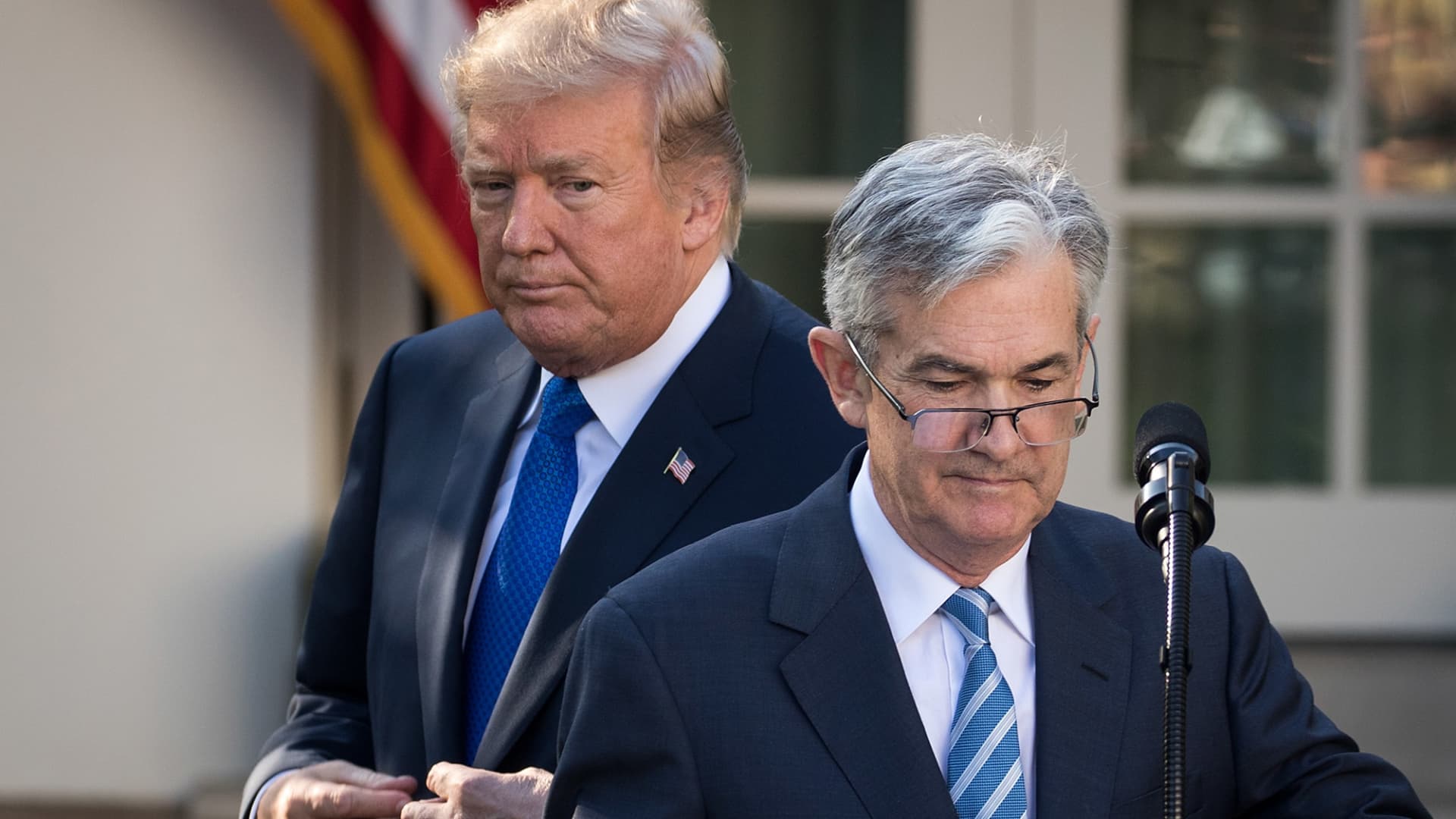
In an unprecedented move shaking financial markets, President Trump has drafted a letter to fire Federal Reserve Chair Jerome Powell over monetary policy disputes. Legal experts question the legality of this action, as Federal law requires “for cause” removal—a standard not clearly met by policy disagreements.
The brewing constitutional crisis threatens the Fed’s 89-year independence and has already triggered market volatility, with stocks and bonds swinging wildly. Analysts warn this confrontation could redefine presidential power over monetary policy for generations.
- President Trump has drafted a letter to fire Federal Reserve Chair Jerome Powell, escalating tensions over monetary policy disagreements, though legal experts argue such action requires “for cause” justification under federal law.
- Financial markets reacted with sharp volatility, with S&P 500 futures dropping 1.3% and gold prices surging to record highs amid fears over Fed independence and policy stability.
- Historical precedents show presidents clashing with Fed chairs, but no sitting chair has ever been fired, setting up a potential constitutional crisis if Trump proceeds.
- Potential replacements like Judy Shelton or Kevin Warsh could align with Trump’s economic agenda, but markets may view such appointments as politically motivated, risking long-term credibility.
- International observers, including the ECB and China, express alarm about the dollar’s stability as a reserve currency, while emerging markets brace for potential capital flight.
Can Trump Legally Fire Fed Chair Jerome Powell? Experts Analyze the Constitutional Crisis
The explosive revelation that President Trump drafted a letter to terminate Federal Reserve Chair Jerome Powell has ignited a firestorm of legal debate. At the core lies the Federal Reserve Act’s provision that Fed board members may only be removed “for cause” – typically interpreted as misconduct or negligence, not policy disagreements. This statute was specifically designed in 1935 to shield monetary policy from political interference, creating what experts call the Fed’s “dual independence” from both Congress and the Executive Branch.
Constitutional scholars highlight that the Supreme Court’s 2025 decision in Collins v. Yellen casts doubt on presidential removal powers over independent agencies. The ruling suggested that heads of agencies with for-cause protections enjoy substantial job security. However, Trump’s legal team may argue that the 1935 Act’s wording regarding Fed chairs differs subtly from other agencies’ statutes, leaving room for interpretation.
Potential legal arguments taking shape include:
- The definitional gray zone around “neglect of duty” regarding interest rate decisions
- Claims of mismanagement in the Federal Reserve System’s $2.5 billion headquarters renovation
- Alleged failures to coordinate monetary and fiscal policy during economic crises
Market Earthquake: How Investors Are Responding to the Fed Leadership Crisis
Financial markets convulsed upon news of the draft termination letter, with the S&P 500 futures plunging 1.8% in overnight trading before paring losses when Trump walked back immediate plans. The volatility index (VIX) skyrocketed 22% – its largest single-day jump since the 2023 banking crisis – as traders priced in unprecedented policy uncertainty.
Currency markets witnessed a flight to safety unlike anything seen since the Eurozone crisis, with the dollar index (DXY) tumbling 1.5% against a basket of major currencies. Meanwhile, gold prices surged past $2,500/oz as institutional investors sought haven assets, while Bitcoin similarly gained 7% on decentralization narratives.
Sector-by-sector impact analysis:
| Sector | 1-Day Change | Key Factors |
|---|---|---|
| Financials | -3.2% | Rate uncertainty, yield curve volatility |
| Technology | -1.9% | Growth stock sensitivity to discount rates |
| Utilities | +0.8% | Defensive rotation, dividend safety |
The Replacement Game: Who Might Succeed Powell and How Markets Would React
Should Powell depart, Trump would likely nominate a candidate aligned with his economic nationalism. Frontrunners include:
- Judy Shelton: The former Fed board member and gold standard advocate would likely pursue aggressive rate cuts despite inflation risks
- Kevin Warsh: Hoover Institution fellow with Wall Street ties but questionable independence from Trumpworld
- Arthur Laffer: Supply-side economist favoring political alignment between fiscal and monetary policy
An analysis of potential market impacts:
- Shelton: Short-term equity rally but long-term currency volatility
- Warsh: Initial stability but institutional skepticism about Fed capture
- Laffer: Bond market revolt over inflation expectations
Historical Parallels: When Presidents Clashed With Fed Chairs
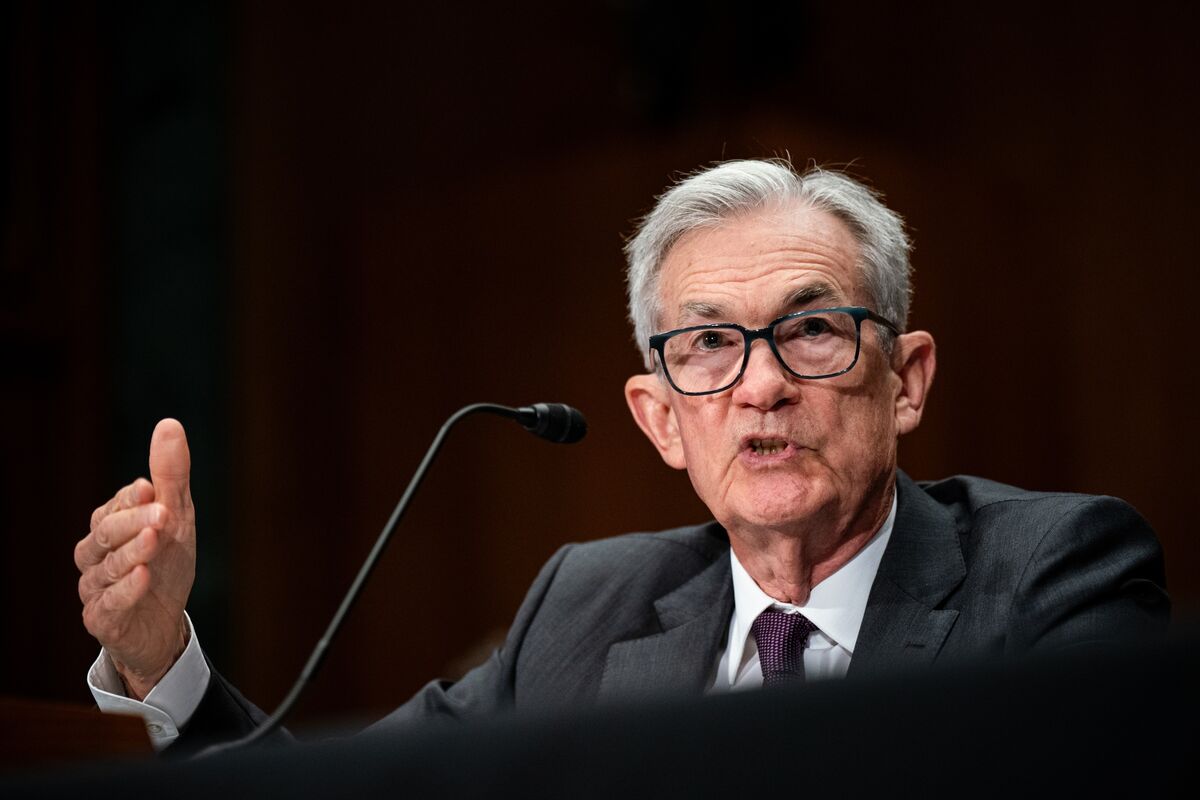
While unprecedented in its overt hostility, the Trump-Powell conflict follows historical patterns of tense executive-central bank relations:
- Nixon vs. Burns (1971-78): The president reportedly told Arthur Burns to “Give me the money!” ahead of the 1972 election
- Reagan vs. Volcker (1981-87): Clashed over painful 20% interest rates to curb inflation
- Bush Jr. vs. Greenspan (2004-06): Disagreed on Social Security privatization and tax cuts
However, legal experts emphasize that no president has ever attempted to formally remove a Fed chair over policy disagreements. The norm has been indirect pressure followed by voluntary resignation at term’s end – a norm Trump appears poised to shatter.
Global Fallout: How Allies and Adversaries Are Reacting
The international community has reacted with alarm to the potential destabilization of the world’s reserve currency manager. Key developments include:
- The European Central Bank issued rare public guidance for banks to prepare dollar liquidity contingencies
- China’s PBOC reportedly tested digital yuan stress scenarios for Fed instability
- Japanese pension funds accelerated yen-hedging on currency volatility fears
Perhaps most significantly, BRICS nations fast-tracked discussions about alternative reserve assets, with gold-backed trade settlement mechanisms gaining unexpected momentum. The IMF scheduled emergency meetings to discuss global financial stability protocols.

The Credibility Abyss: Long-Term Consequences for U.S. Institutions
Beyond immediate market reactions, the confrontation risks permanent damage to:
- Policy predictability: Forward guidance becomes meaningless if political winds override economic data
- Talent retention: Top economists may shun government service
- Dollar dominance: Erosion of institutional legitimacy accelerates de-dollarization
Even if Powell survives, economists warn the Fed may face a “whisper number” problem where markets discount official communications, instead parsing political tea leaves. The Congressional Research Service estimates a 0.5-1.5% permanent risk premium could embed in U.S. assets.

Comments