
As the baseball world turns its focus to the 2025 MLB Draft, the spotlight shines brightly on Eli Willits, the top prospect whose rise is deeply rooted in his father Reggie Willits’ MLB legacy.
A former Angels outfielder and current coach, Reggie has shaped Eli’s game since childhood, blending raw talent with professional training. This father-son journey epitomizes baseball’s generational transfer of knowledge and skill.
With his advanced swing, defensive versatility, and strategic high school reclassification, Eli stands poised to become the Washington Nationals’ potential No. 1 overall pick, carrying forward his family’s baseball tradition.
- Reggie Willits, former Angels outfielder and MLB coach, has been instrumental in developing his son Eli into the potential No. 1 pick of the 2025 MLB Draft through years of professional-level training.
- Eli Willits’ strategic high school reclassification made him the draft’s youngest top prospect, combining elite shortstop skills with advanced hitting mechanics rarely seen in teenage players.
- The Nationals see Willits as a franchise cornerstone due to his rare combo of defensive versatility, plate discipline, and projected power growth, with scouts predicting a 2028 MLB debut timeline.
- Oklahoma produced two historic shortstop prospects in Willits and Ethan Holliday, both carrying MLB bloodlines but with Willits standing out due to his youth advantage and professional polish.
Reggie Willits: The MLB Veteran Behind Eli Willits’ Rise as the 2025 Draft’s Top Prospect
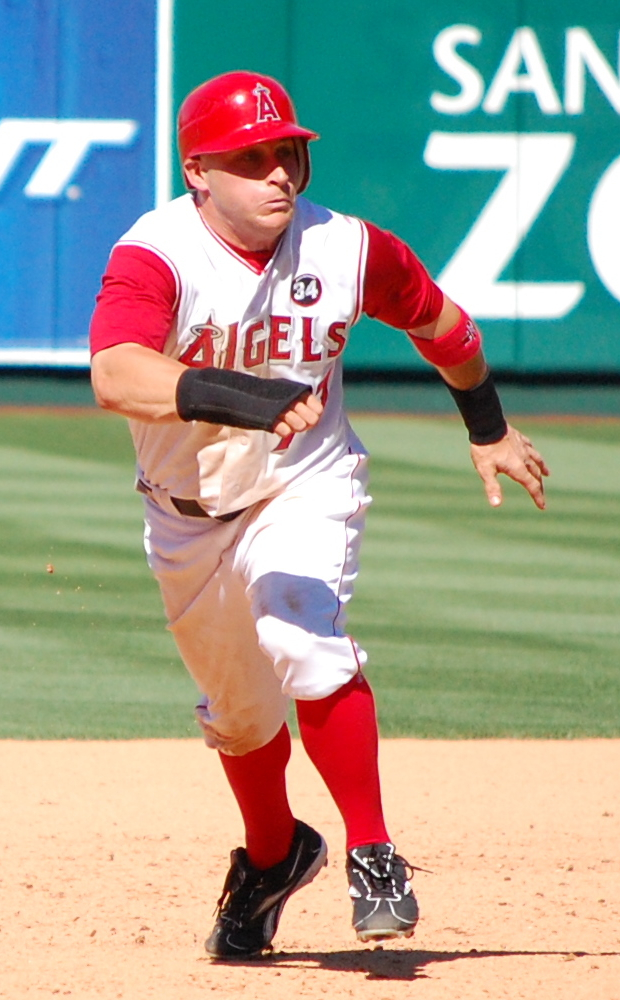
As the baseball world anticipates the 2025 MLB Draft, all eyes are on Eli Willits, the standout shortstop whose rapid ascent owes much to his father Reggie Willits’ major league pedigree. Reggie, a former Angels outfielder turned coach, has meticulously shaped his son’s career since childhood, transforming backyard drills into professional-grade training sessions. This family blueprint demonstrates how MLB legacies can cultivate next-generation talent through institutional knowledge and relentless preparation.
Reggie’s six-year MLB career (2006-2012) established a foundation of fundamentals that Eli now executes with remarkable polish. While Reggie batted just .256 lifetime, his expertise in outfield defense, baserunning efficiency (50 career steals), and clubhouse professionalism became Eli’s invisible curriculum. Scouts note Eli’s unusually advanced plate discipline – a skill typically honed in minor league systems rather than high school dugouts.

The Willits Training Methodology
Unlike typical father-son catch sessions, Reggie implemented structured programming:
- Age 8-12: Focus on contact mechanics using specialized pitching machines
- Age 13-15: Introduction to MLB-level defensive positioning charts
- Age 16+: Advanced analytics review of each game’s exit velocities
Eli Willits’ Draft Profile: Breaking Down the No. 1 Candidate

The Washington Nationals’ decision to select Eli Willits first overall reflects their preference for high-ceiling position players over collegiate pitchers in rebuild scenarios. At 17 years old (younger than 94% of draft-eligible players), Willits presents unprecedented projection windows – his current 6’1″, 185lb frame could reasonably add 20-30lbs of muscle before maturation.
Scouting grades illustrate his five-tool potential:
| Tool | Current Grade | Projected Peak |
|---|---|---|
| Hit | 60 | 70 |
| Power | 55 | 65 |
| Run | 60 | 60 |
| Arm | 55 | 60 |
| Field | 50 | 60 |
The Reclassification Advantage
Willits’ decision to skip eighth grade created a unique developmental edge:
- Faces older competition since age 14, accelerating adaptation
- Gains extra year of MLB service time before free agency
- Physical development timeline aligns with peak MLB arrival (age 22-23)
Scouting Report: What Makes Eli Willits’ Swing Unique
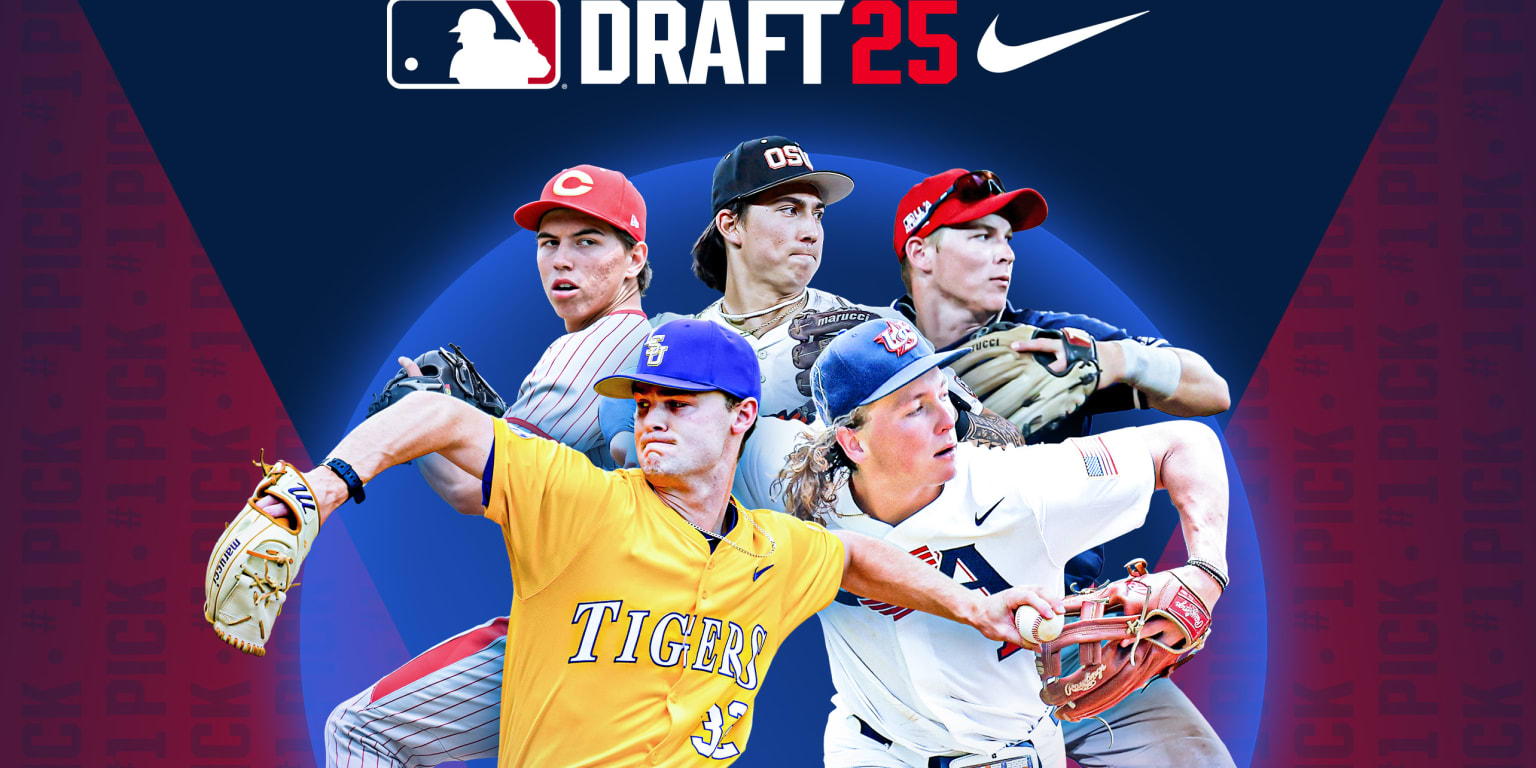
Slow-motion swing analysis reveals four MLB-ready attributes rarely seen in prep hitters:
- Hand Load: Minimal backward movement (2-3 inches) for quicker bat acceleration
- Stride: Conservative 4-inch step maintains head stability
- Bat Path: 12-degree upward angle optimizes launch without uppercut
- Finish: One-handed extension replicates Miguel Cabrera’s fluid follow-through
Defensive Projections: Shortstop or Third Base?
While Willits currently plays shortstop, scouts debate his ultimate position:
- Shortstop Case: 85th percentile arm strength (92mph across infield), quick transfer
- Third Base Case: Projected size (6’3″/210lbs) may reduce lateral quickness
- Wild Card: Athleticism could suit center field like his father
The Nationals’ Development Plan for Their Future Franchise Player
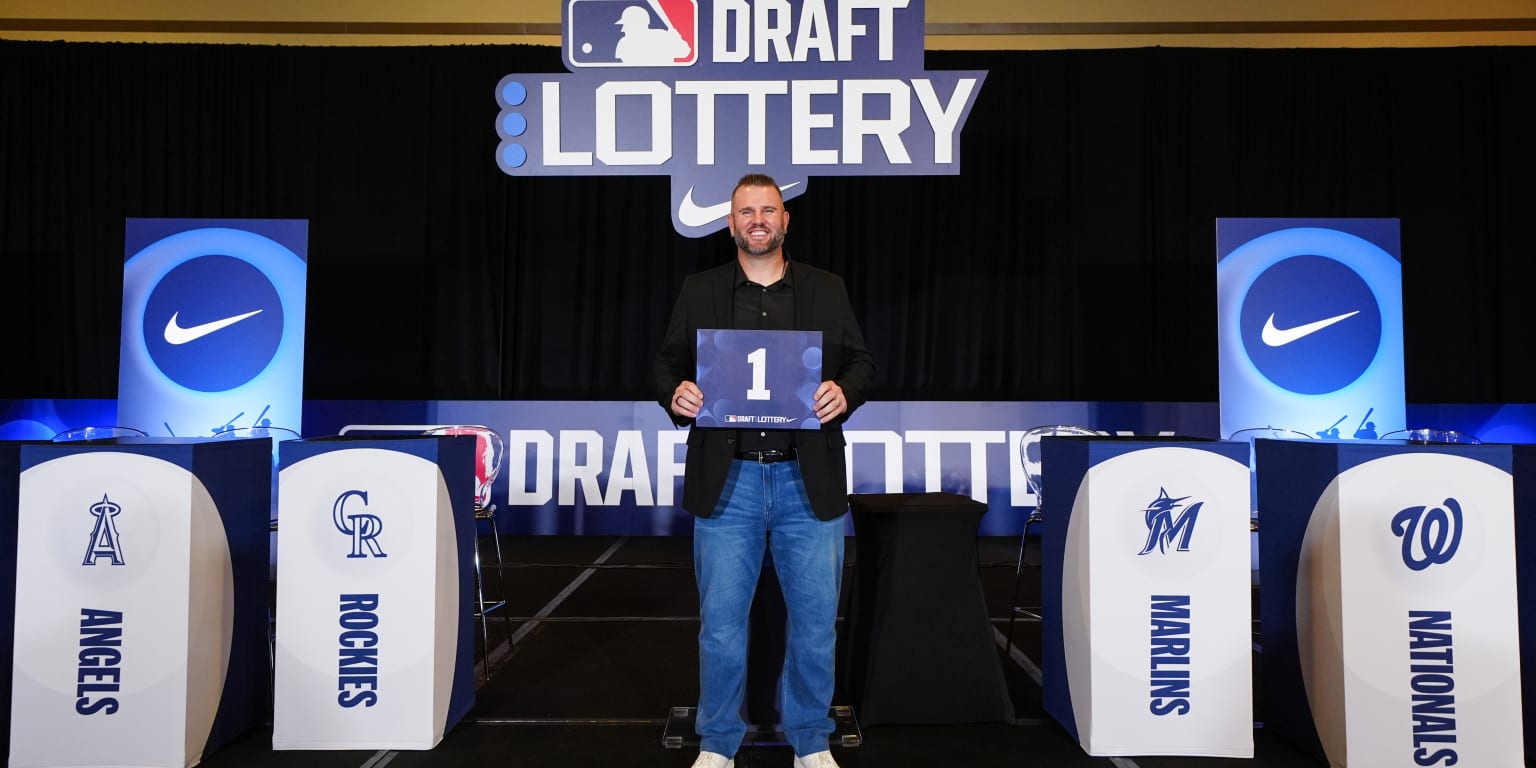
Washington’s player development staff has designed a four-phase progression plan to maximize Willits’ potential while protecting his youthful frame:
Phase 1: Professionalization (2025-2026)
- Controlled workload (100 games max in 2026)
- Biomechanical monitoring to prevent overcompensation injuries
- Nutritional supplementation targeting lean muscle development
Phase 2: Skills Reinforcement (2027)
- Advanced defensive positioning against pro bunting tactics
- Pitch recognition training using Trackman data
- Leadership development alongside veteran minor leaguers
Legacy Comparison: How Eli Stacks Up Against Other MLB Bloodlines
The 2025 draft featured unprecedented concentration of legacy prospects:
| Player | MLB Relative | Advantage | Challenge |
|---|---|---|---|
| Eli Willits | Reggie Willits | Fundamental precision | Power development |
| Ethan Holliday | Matt Holliday | Natural power | Defensive flexibility |
| Cam Caminiti | Ken Caminiti | Arm strength | Hit tool consistency |
The Pressure of Expectations
Historical data suggests mixed outcomes for top picks with MLB fathers:
- Success Stories: Vladimir Guerrero Jr. (142 OPS+), Prince Fielder (50.6 WAR)
- Cautionary Tales: Delino DeShields Jr. (1.5 WAR), Sandy Alomar Jr. (72 OPS+)
- X-Factor: Willits’ coaching background may provide better coping tools
Long-Term Projection: Eli Willits’ MLB Trajectory
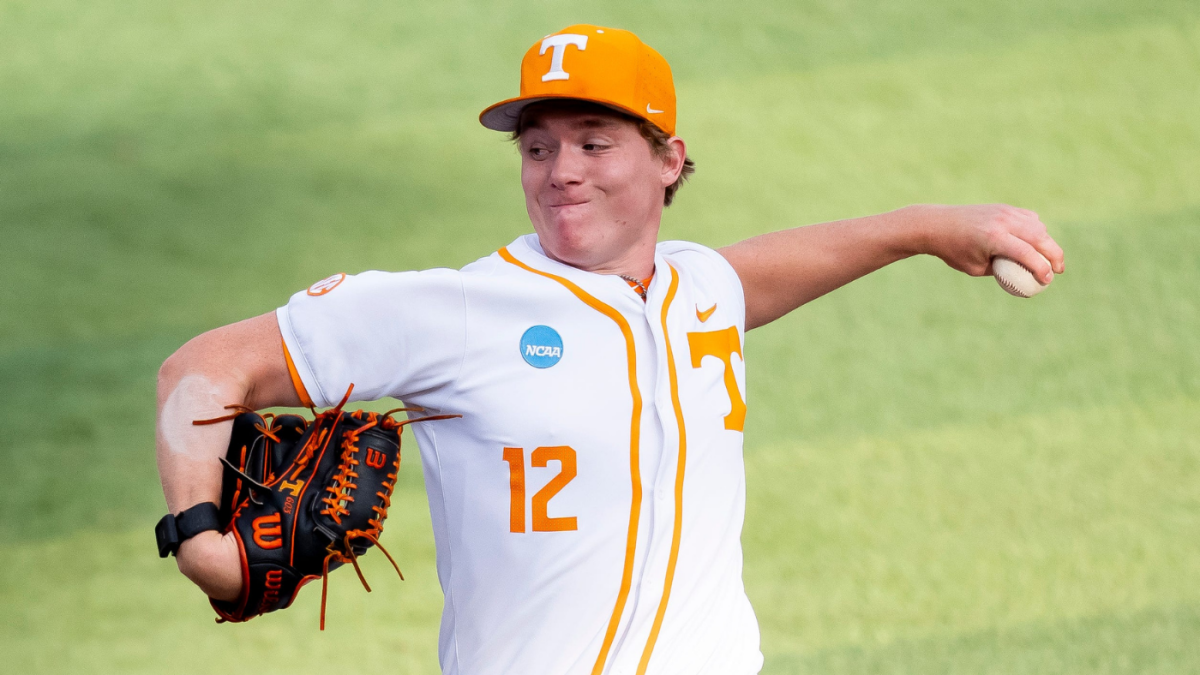
Using comparable player development curves, we can map Willits’ potential career milestones:
Best-Case Scenario (90th Percentile)
- 2027: MLB debut as 20-year-old (similar to Julio Rodríguez)
- 2029: First All-Star selection
- 2031: MVP contention with .300/30HR/20SB production
- 2034: $400M free agency contract
Realistic Outcome (50th Percentile)
- 2028: MLB debut with rookie struggles
- 2030: Breakout as .280/20HR shortstop
- 2033: First Gold Glove
- 2036: Franchise cornerstone status
Comments