
Elon Musk’s latest warning about Tesla’s “rough few quarters” ahead has sent shockwaves through markets, triggering a surge in Yahoo searches for “Robotaxi launch date” as investors scramble for clarity.
The stark contrast between Tesla’s 6% pre-market plunge after disappointing Q2 results and Wall Street’s autonomous driving optimism highlights growing concerns about the company’s high-stakes gamble. With political controversies and slowing EV demand compounding pressures, all eyes are now on whether Musk’s $4.20 Robotaxi pilot can deliver on its promised scale.
- Tesla shares plunged 6% pre-market amid Q2 revenue slump (16% YoY to $16.7B) as EV sales declined for the second consecutive quarter
- Elon Musk warned of “rough few quarters” ahead, sparking Yahoo search spikes for “Robotaxi launch date” and “stock crash survival tips”
- Analysts highlight Tesla’s 562-mile autonomous testing trails Waymo’s 13M miles, raising doubts about 2025 Robotaxi rollout despite Austin pilot
- Political controversies and slowing EV demand compound Tesla’s challenges as Chinese competitors like BYD gain market share with cheaper models
Tesla’s Robotaxi Launch Date Concerns Spike Yahoo Searches as Musk Warns of Stock Crash Risks
Robotaxi Hype vs Reality: Why Tesla’s Autonomous Dreams Face Mounting Skepticism
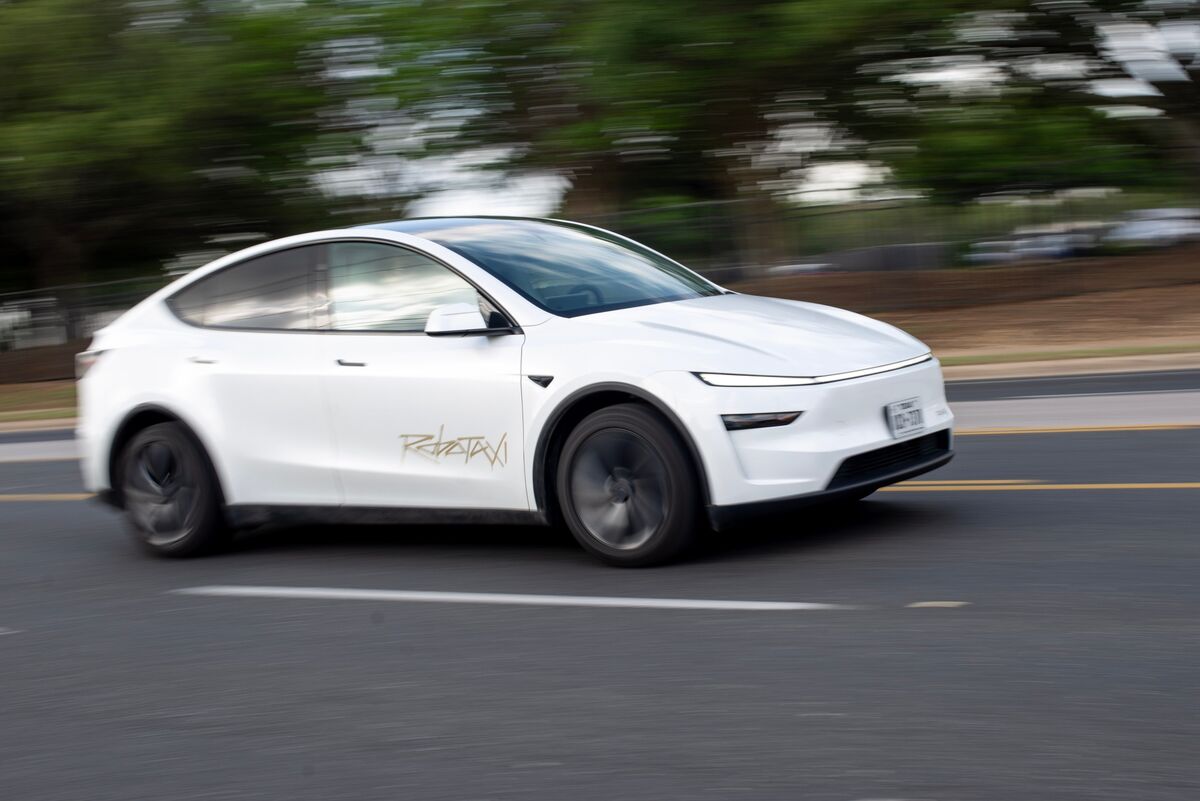
Elon Musk’s announcement of Tesla’s Robotaxi launch by late 2025 has ignited both investor excitement and industry skepticism. While Tesla completed just 562 autonomous testing miles, competitors like Waymo have logged over 13 million miles. The staggering disparity in testing mileage reveals fundamental challenges in Tesla’s approach that can’t be solved by bold predictions alone.
Tesla’s reliance on camera-based systems differs radically from competitors using LIDAR and radar combinations. Though Musk claims vision-only systems will ultimately prove superior, current performance metrics suggest otherwise. California DMV records show Tesla hasn’t even applied for commercial robotaxi permits – a process that typically takes years to complete.

Five Critical Robotaxi Hurdles Tesla Must Overcome
- Regulatory approval timelines varying by state and country
- Public safety concerns over vision-only systems in poor weather
- Insurance liability frameworks for autonomous accidents
- Infrastructure compatibility with existing urban systems
- Consumer trust in fully driverless vehicles
Stock Plunge Analysis: Understanding Tesla’s 18% Year-To-Date Decline
Tesla shares have plummeted 18% in 2025 amid declining EV sales and growing skepticism about its autonomous driving timeline. The core automotive business reported a 16% revenue drop in Q2 – the second consecutive quarterly decline.

Several factors contribute to the sustained downward pressure:
- Chinese EV makers gaining market share with cheaper alternatives
- Federal EV tax credit expiration looming in 2026
- Production inefficiencies from Texas factory relocation
- Elon Musk’s divided attention across multiple ventures
China’s EV Tsunami: How BYD and Others Are Reshaping Global Markets
Chinese manufacturers have launched EVs costing 30-50% less than Tesla’s models while matching or exceeding their technology. BYD’s Seal sedan offers similar range and features to Tesla Model 3 at $10,000 less. This price advantage is decimating Tesla’s market share in critical regions.
| Metric | Tesla Model 3 | BYD Seal |
|---|---|---|
| Base Price | $38,990 | $28,800 |
| Range (miles) | 272 | 354 |
| 0-60 mph | 5.8s | 5.9s |
The Political Factor: How Musk’s Controversies Impact Tesla’s Brand
Musk’s increasingly polarizing political stance has created measurable brand damage according to multiple surveys. His endorsement of far-right European politicians and alignment with Trump administration policies alienates Tesla’s traditional environmentally-conscious customer base.

Internal Tesla data leaked to Bloomberg shows:
- 12% decline in brand favorability among college-educated buyers
- 17% increase in purchase cancellations citing “political reasons”
- 35% of California showroom visitors mentioning Musk controversies
Three Strategic Mistakes in Tesla’s Political Navigation
- Alienation of core progressive EV buyers
- Failure to separate personal views from corporate identity
- Over-estimation of customer tolerance for CEO controversies
The Future of Tesla: Survival Strategies in a Changing EV Landscape
To regain its competitive edge, Tesla must execute several critical pivots simultaneously:
Product strategy: Accelerate development of next-generation platforms beyond the aging Model 3/Y designs. The promised $25,000 compact car must materialize before Chinese competitors completely dominate that segment.
Manufacturing efficiency: Texas factory teething problems must be resolved to achieve projected cost reductions. Current transport logistics add $2,000+/vehicle to East Coast deliveries.
Autonomous realism: Either deliver tangible Robotaxi milestones or reset investor expectations. The current disconnect between promises and capabilities creates unsustainable volatility.
Comments