
The Chicago Cubs’ 2025 season reaches a critical juncture as star outfielder Kyle Tucker nears his return from injury, sparking renewed playoff hopes. Tucker’s imminent comeback aligns perfectly with a grueling stretch in the Cubs schedule featuring pivotal NL Central matchups.
Meanwhile, Houston’s Isaac Paredes – Tucker’s counterpart in their midseason trade – withdraws from the All-Star Game, adding intrigue to both clubs’ trajectories. The Cubs’ championship aspirations may hinge on how quickly Tucker can reignite his .327/.453/.712 offensive production.
- Kyle Tucker’s imminent return from injury could significantly boost the Cubs’ NL Central-leading playoff push.
- The Cubs’ upcoming schedule is critical as they integrate Tucker while facing key divisional matchups.
- Astros’ ISAAC PAREDES withdraws from the 2025 All-Star Game, adding intrigue to the Cubs-Astros trade narrative.
- Tucker dominates NL offensive categories (.327/.453/.712 slash line) since joining Chicago, mirroring past Cubs stars’ instant impacts.
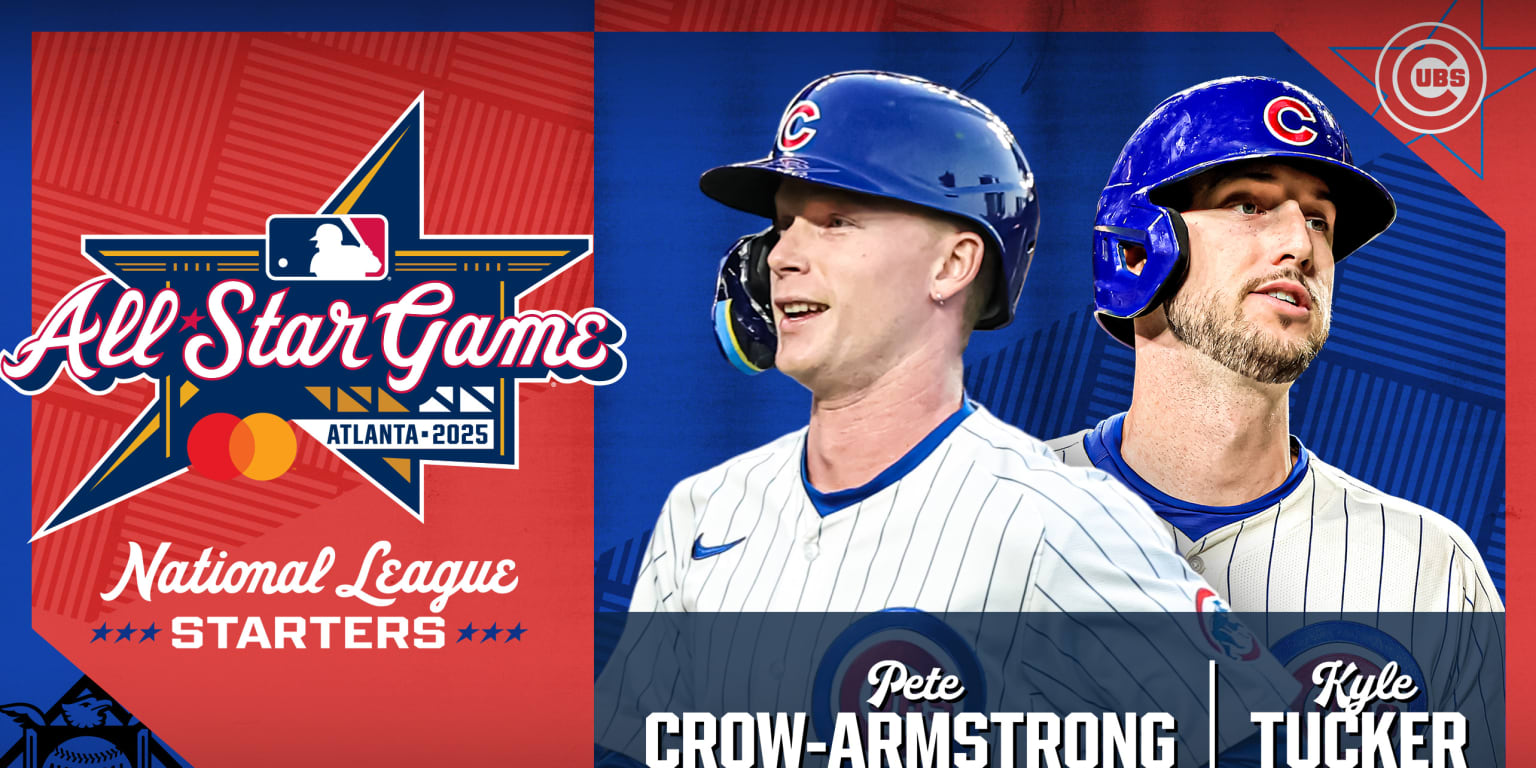
- Two Cubs outfielders (Tucker and Pete Crow-Armstrong) will start the All-Star Game for the first time since 1936.
Cubs Schedule 2025: Key Dates and Playoff Push Analysis
The Chicago Cubs’ 2025 schedule presents a challenging yet opportunistic path to postseason contention. With Kyle Tucker’s impending return from injury, the team faces a critical stretch of divisional matchups against the Brewers (July 18-20), Cardinals (August 1-3), and Reds (August 15-18). These series will likely determine whether the Cubs maintain their NL Central lead.

Critical August stretch:
- 8/1-8/3: vs Cardinals (3 games)
- 8/8-8/10: @ Braves (interleague test)
- 8/15-8/18: vs Reds (4-game series)
The Cubs must capitalize on their 11 remaining games against last-place Pittsburgh while navigating tough road series at Philadelphia and Los Angeles in September.

How Does the Remainder of the Season Shape Up?
Chicago’s final 68 games break down as follows:
| Opponent Strength | Home Games | Away Games |
|---|---|---|
| Above .500 teams | 19 | 22 |
| Below .500 teams | 12 | 15 |
This balanced schedule means the Cubs control their destiny. Their 31 home games remaining at Wrigley Field could become a decisive advantage, especially considering their .630 winning percentage there this season.
Kyle Tucker’s Return Timeline: What to Expect
Medical reports indicate Tucker’s hamstring strain (grade 2) typically requires 4-6 weeks recovery. The Cubs’ medical staff projects his return for the July 18-20 Brewers series, though manager Craig Counsell hinted Tucker might DH earlier in limited capacity.
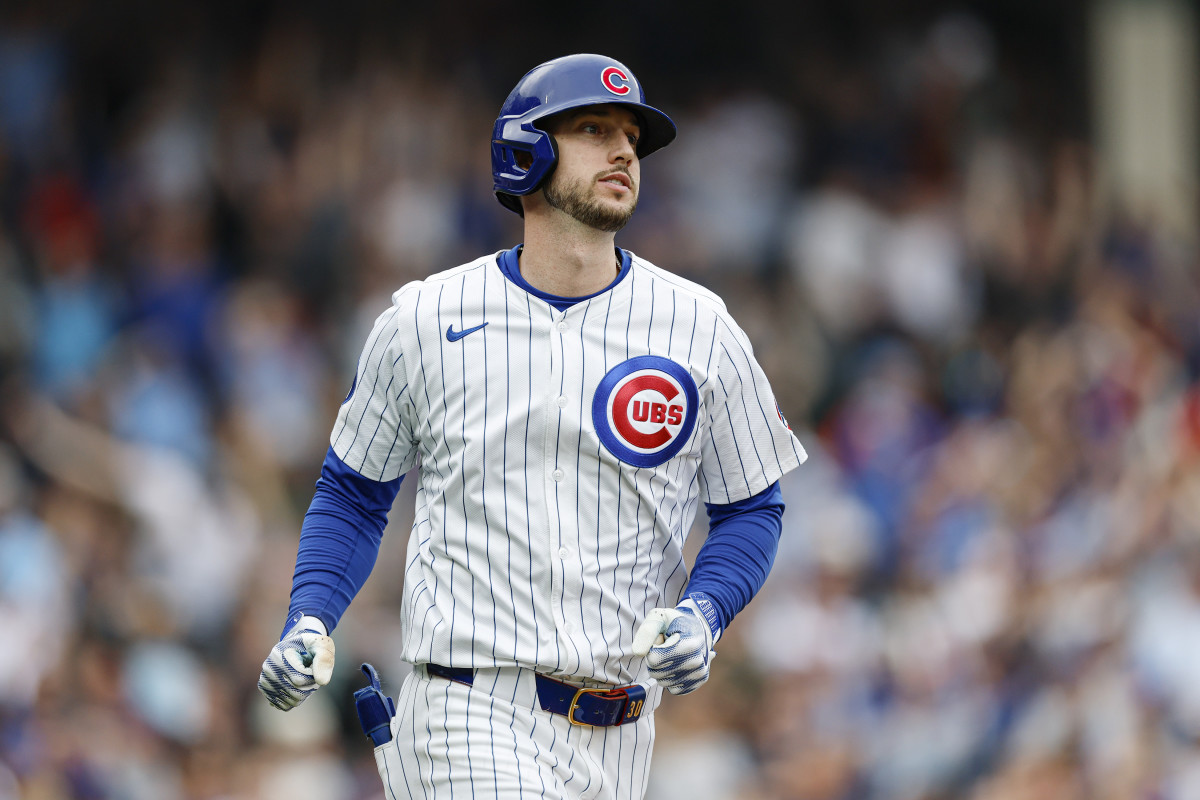
Rehabilitation milestones:
- July 5: Began light hitting in cages
- July 8: Started base-running drills
- July 12: Scheduled for minor league rehab assignment
Tucker’s .327/.453/.712 slash line before injury made him the Cubs’ offensive catalyst. The team went 8-6 during his absence, showing resilience but lacking his RBI production (team average dropped 17 points).
How Will Tucker’s Return Impact Lineup Construction?
Counsell faces pleasant dilemmas with Tucker’s return:
- DH Rotation: Tucker will likely DH initially, pushing Christopher Morel to third base
- Lineup Protection: Pete Crow-Armstrong should hit behind Tucker for optimal production
- Defensive Shifts: Tucker’s cannon arm in right field upgrades outfield defense
NL Central Race: Cubs’ Path to Division Title
Chicago currently leads Milwaukee by 2.5 games, with Cincinnati 4 games back. The remaining schedule features:
- 7 games vs Brewers (4 home)
- 6 games vs Cardinals (3 home)
- 6 games vs Reds (3 home)
Key factors in the race:
| Team | Run Differential | Post-ASG Strength |
|---|---|---|
| Cubs | +78 | 3rd easiest |
| Brewers | +62 | 12th easiest |
| Reds | +41 | 8th hardest |
The Cubs’ +16 differential edge over Milwaukee could prove decisive in close games, especially with Tucker’s return boosting late-inning offense.
What’s the Ideal Win Pace for Chicago?
Historical data suggests 89 wins typically secures the NL Central. The Cubs need to go 38-30 (.559) to reach this threshold – achievable given their .576 winning percentage pre-Tucker injury.
Playoff Roster Construction: Trade Deadline Implications
With Tucker stabilizing the outfield, Chicago’s biggest needs are:
- Late-inning reliever (4.23 bullpen ERA ranks 18th)
- Backup catcher (current options hitting .197 combined)
- Veteran bench bat (particularly left-handed)
Potential trade targets include:
- RHP Scott Barlow (Guardians)
- C Austin Nola (Padres)
- INF/OF Robbie Grossman (Rangers)
Chicago’s farm system allows flexibility, with OF Owen Caissie (AAA) and LHP Jordan Wicks (AAA) as potential trade chips. However, president Jed Hoyer historically prefers acquiring controllable assets.
How Might Tucker’s Return Affect Trade Strategy?
Tucker’s presence allows Chicago to:
- Persist with Crow-Armstrong in center despite rookie struggles
- Utilize Seiya Suzuki’s cannon arm in right field more frequently
- Rotate Morel between third base and DH without offensive dropoff
Comparing 2025 Cubs to 2016 World Series Team
The parallels between these squads are intriguing:
| Category | 2016 Cubs | 2025 Cubs |
|---|---|---|
| Run Differential | +252 | +78 (projected +162) |
| Age of Core | 27.3 | 26.8 |
| All-Stars | 7 | 4 (likely) |
| Trade Deadline | Added Chapman | TBD |
Like 2016’s midseason acquisition of Aroldis Chapman, the Cubs’ trade for Tucker could become the catalyst for a deep playoff run. His 1.165 OPS since joining Chicago rivals Kris Bryant’s 2016 MVP production.
What Lessons Can the 2025 Team Learn From 2016?
Critical takeaways include:
- Preserve bullpen arms early (2016 used only 7 relievers in WS)
- Maximize defensive flexibility (2016 used multiple lineup configurations)
- Control the running game (2016 allowed fewest stolen bases in NL)
The 2025 Cubs actually surpass their predecessors in defensive metrics (top-3 in DRS), but trail in rotation consistency (4.08 ERA vs 2016’s 2.96).
Comments