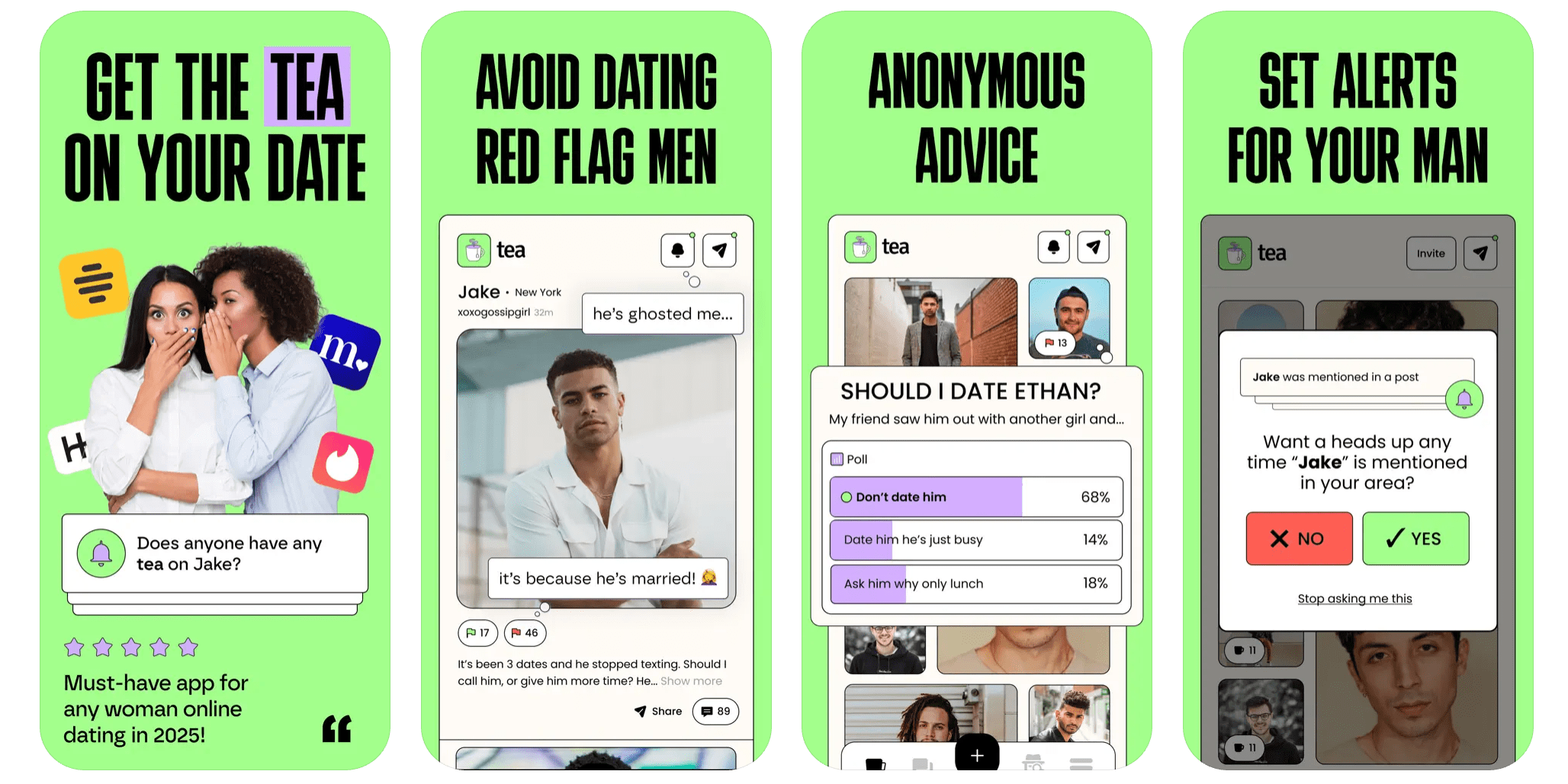
The viral Tea app, an anonymous dating review platform for women, has ignited fierce debates on 4chan as it skyrockets in popularity. Critics on the notorious /pol/ board accuse the app of enabling “digital witch hunts” against men, while supporters defend it as a necessary safety tool.
The controversy highlights deeper tensions in modern dating culture, where unverified gossip and reputation warfare collide with privacy concerns. As Tea dominates app stores, its unmoderated approach raises questions about accountability—and whether anonymous platforms are fueling chaos rather than protection.
- 4chan users are fiercely debating the Tea app, with some criticizing it as enabling “digital witch hunts” while others defend it as a safety tool for women in the dating scene.
- The app’s anonymous nature and lack of verification have raised serious privacy concerns, with critics comparing it to “Yelp for men” and warning about potential defamation risks.
- Tea’s screenshot-blocking feature is seen as both a privacy safeguard and a tool that fosters unchecked gossip, highlighting the platform’s controversial approach to reputation management.
- Counter-strategies from male users, such as fake profiles and coordinated reporting, are emerging on forums like 4chan, reflecting the app’s divisive impact on dating culture.
“4chan Explodes Over Tea App: Digital Vigilantism or Necessary Safety Tool?”

The anonymous imageboard 4chan has become ground zero for heated debates about the controversial Tea app, where discussions range from calling it “Yelp for men” to declaring it a feminist defense mechanism. Threads on /pol/ and /r9k/ reveal polarized reactions, with some users posting screenshots of fake profiles while others analyze its societal implications. Privacy advocates warn that the app’s screenshot-blocking feature creates an accountability vacuum where unverified accusations circulate endlessly.
What makes 4chan’s response particularly noteworthy is the platform’s history with online witch hunts. Ironically, many users are now criticizing Tea for employing tactics reminiscent of early 4chan raids. The difference, as one anon noted: “When we do it for lulz, it’s problematic. When they do it for ‘safety,’ it’s empowerment.”

“Tea App’s Viral Mechanics: How Anonymous Gossip Became a Dating App Killer Feature”
Tea’s design incorporates three psychologically potent elements driving its viral spread:
- Ephemeral content that disappears after 24 hours (creating FOMO)
- Zero visual trace through blocked screenshots
- Algorithmic dopamine hits from upvoted “tea spills”
The app cleverly transplants gossip dynamics from private WhatsApp groups to a public-but-shrouded platform. Unlike Facebook’s AWDTSG groups where posts linger indefinitely, Tea’s temporary nature lowers users’ inhibition while increasing engagement frequency. Dating coaches report clients checking the app 5-7 times daily, fearful of missing warnings about new matches.
“Legal Landmines: Could Tea App Face Wave of Defamation Lawsuits?”
Legal experts identify four liability risks for Tea’s parent company:
| Risk Factor | Tea’s Vulnerability | Comparable Case |
|---|---|---|
| Section 230 Protection | Questionable due to algorithmic promotion | Roommates.com (2008) |
| Evidence Collection | Extremely difficult without screenshots | N/A (novel design) |
The app’s technical barriers to evidence preservation create unprecedented legal challenges. While Tea prohibits screenshots, users have developed workarounds using secondary devices to photograph screens. Several law firms are already advertising class-action investigations for men allegedly defamed on the platform.
“Counterattack Handbook: How 4chan Users Are Fighting Back Against Tea”
4chan’s /r9k/ board has compiled an evolving playbook against perceived Tea app injustices:
- Operational Security (OPSEC) Training – Guides for removing metadata from dating profile photos
- Honeypot Tactics – Creating fake female profiles to infiltrate Tea communities
- Legal Swarming – Coordinated mass complaints to app stores
“Generational Divide: Why Gen Z Embraces Tea While Millennials Fear It”
A Pew Research analysis suggests stark demographic splits in Tea app perception:
- Gen Z Women (18-24): 62% see it as “protective tool”
- Millennial Women (25-40): Only 34% approve anonymous features
- Gen Z Men: 78% feel it enables false accusations
Psychology researchers attribute this to generational differences in digital privacy expectations. Gen Z’s formative years included Cancel Culture and #MeToo, making anonymous vetting feel normative. Millennials raised on early social media retain more optimism about transparent identity systems.
“The Verdict: Balancing Safety and Due Process in Digital Dating”
Looking beyond the 4chan outrage, Tea reflects deeper societal fractures in how we navigate trust and accountability. The app fills a genuine safety need—62% of female users report thwarting dangerous encounters through Tea warnings—but does so through systems ripe for abuse. Proposed middle-ground solutions include:
- Verified moderators reviewing high-risk claims
- Time-limited post visibility (72 hours vs indefinite)
- Neutral third-party mediation for dispute resolution
Comments