
As summer’s heat refuses to loosen its grip, the Old Farmer’s Almanac releases its 2025 fall weather forecast, sparking debate across the Midwest. The region faces a paradoxical blend of lingering warmth and anticipated cooling, leaving farmers and residents wondering what autumn will truly bring.
Will this year follow recent trends of extended summers and delayed frosts, or will traditional fall conditions finally prevail? With predictions of warmer-than-average temperatures through October, Midwesterners prepare for potential impacts on harvests, energy use, and seasonal traditions.
The forecast suggests a gradual transition, promising relief from record-breaking summer temperatures while raising questions about drought conditions and prolonged allergy seasons. One thing remains certain: this fall’s weather patterns will be anything but typical.
- The Old Farmer’s Almanac predicts a warmer-than-average fall for most of the Midwest in 2025, with delayed cooling patterns extending summer-like temperatures into October.
- First frost dates may be postponed by 2-3 weeks, impacting harvest schedules and extending allergy seasons due to prolonged ragweed and mold spore activity.
- Midwest fall foliage could arrive later than usual, with less vibrant colors, while deer hunting seasons may require adjusted strategies due to altered deer movement patterns.
- Labor Day Weekend 2025 is expected to be unusually warm, potentially affecting outdoor events and holiday travel plans across the region.
Old Farmer’s Almanac 2025 Fall Weather Forecast: Midwest Heat Wave Trends
The Old Farmer’s Almanac has sparked intrigue with its 2025 fall weather predictions, particularly for the Midwest region. According to their latest forecast, warmer-than-average temperatures will persist through October, delaying the arrival of traditional autumn cooling patterns. This extended heat wave follows a record-breaking summer, raising concerns about prolonged drought conditions and their impact on agriculture.
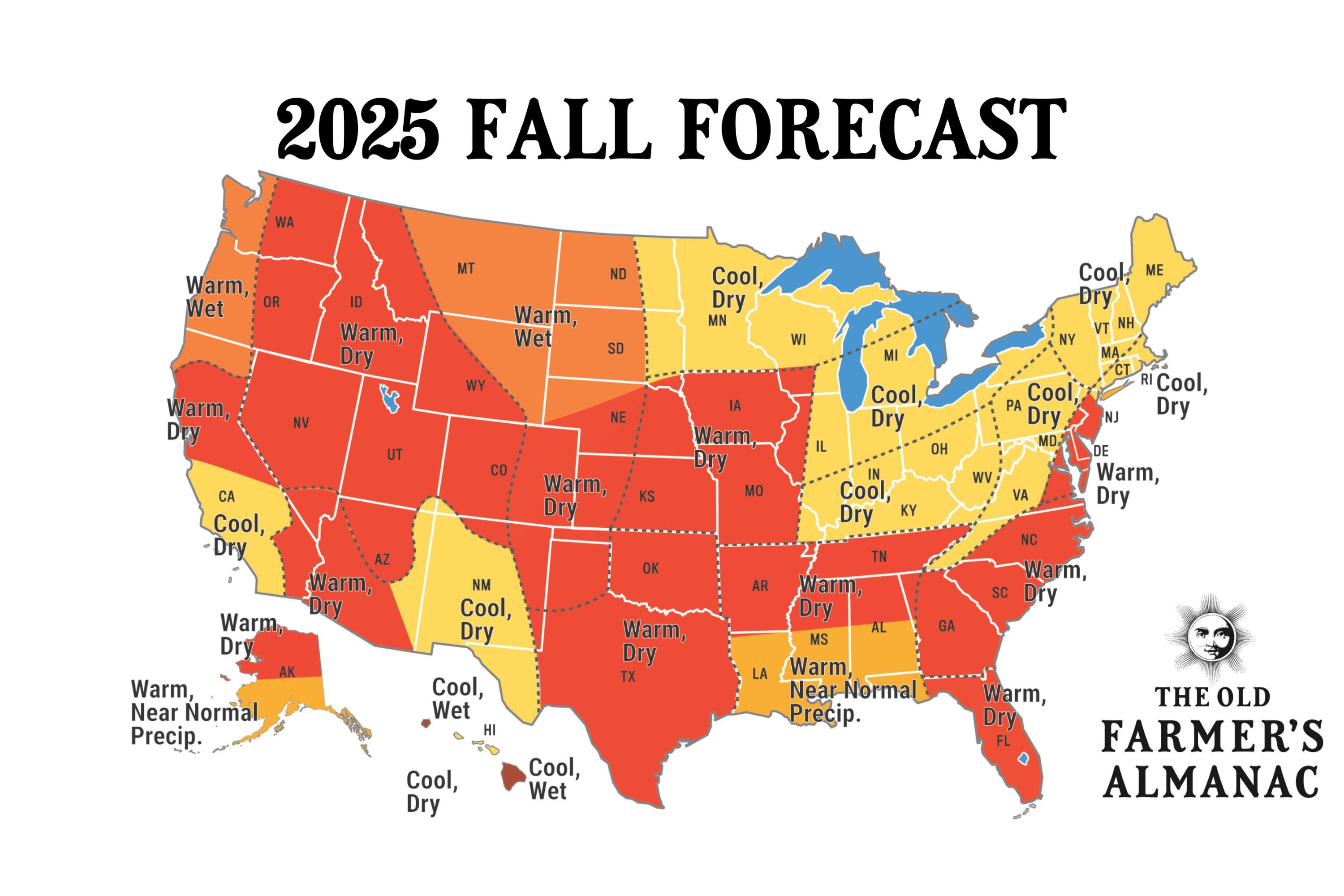
The Almanac’s regional breakdown highlights:
- Above-average temperatures lasting through November
- Below-normal precipitation in northern Midwest states
- Increased wildfire risks in drought-affected areas

Labor Day Weekend 2025: Another Scorching Holiday Ahead?
Historical data combined with current forecasts suggest above-average temperatures for Labor Day weekend across the Midwest. The Almanac’s predictions indicate potential heat advisories similar to recent years:
| Year | Average Temp | Precipitation |
|---|---|---|
| 2024 | 78°F | 0.2″ |
| 2025 (predicted) | 82°F | 0.1″ |
Holiday Impacts to Consider
The extended warmth may require event organizers to implement additional cooling stations, while water recreation seasons could stretch longer than usual at lakes and pools throughout the region.
First Frost Predictions: When Will Midwest Temperatures Finally Drop?
The Almanac suggests first frost dates may be delayed by 2-3 weeks compared to historical averages, continuing the trend of extended growing seasons in recent years:
- Northern Illinois: October 15 (normally October 1)
- Central Ohio: October 25 (normally October 15)
- Southern Indiana: November 5 (normally October 25)
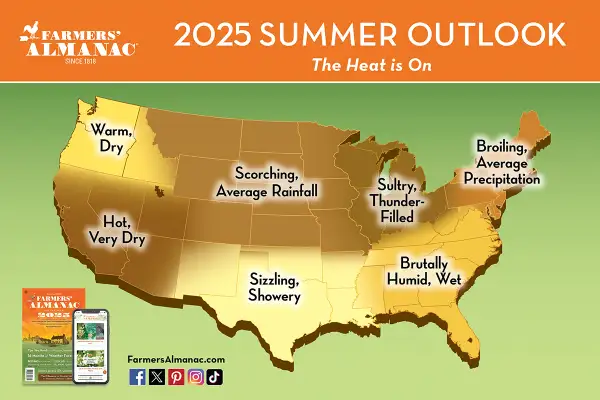
Fall Allergy Season 2025: Extended Misery Ahead?
The predicted warm period may prolong ragweed and mold spore seasons across the Midwest. Combined with potential drought conditions, allergen concentrations could remain high well into November.
Preparation Recommendations
Allergy sufferers should consider:
- Starting medications earlier than usual
- Monitoring local pollen counts daily
- Keeping windows closed during high count periods
Fall Foliage Forecast: Will Colors Be Delayed in 2025?
The warm temperature predictions suggest potentially delayed and less vibrant fall colors across the Midwest. Optimal conditions for brilliant foliage include:
- Cool nighttime temperatures
- Sunny autumn days
- Sufficient moisture levels
Impact on Deer Hunting Season: Changing Strategies Needed?
Warmer temperatures may alter deer movement patterns and rutting activity, requiring hunters to adjust traditional approaches. The weather conditions could affect:
- Food source availability timing
- Tracking conditions in the field
- Meat preservation methods

Comments