
Former Nigerian President Muhammadu Buhari, who shaped the nation’s democratic transition and fought against corruption, has passed away at 82. His death marks the end of an era for a leader who served both as a military ruler and democratically elected president.
While funeral arrangements remain undisclosed, tributes pour in for the statesman whose eight-year presidency saw Nigeria through critical transformations. The cause of death has not been officially confirmed, though Buhari had been hospitalized in London earlier this month.
His complex legacy—marked by anti-corruption efforts, economic challenges, and security crises—now faces renewed scrutiny as Nigeria mourns its former leader.
- Former Nigerian President Muhammadu Buhari, who served from 2015-2023, has died at 82, leaving behind a complex legacy of anti-corruption efforts and economic challenges.
- The cause of death remains unconfirmed, though Buhari had a history of health issues and frequent medical treatments abroad during his presidency.
- Buhari will likely receive a state funeral in his hometown of Daura, with full military honors reflecting his dual role as both military ruler and elected president.
- His tenure saw Nigeria’s first opposition victory in 2015 but was marked by ongoing security crises, controversial policies, and divided public opinion about his leadership effectiveness.
Former Nigerian President Muhammadu Buhari Passes Away at 82
Nigeria is mourning the loss of former President Muhammadu Buhari, who died at the age of 82 after a long political career spanning military and civilian leadership. Buhari served as Nigeria’s president from 2015 to 2023, following his earlier tenure as military ruler in the 1980s. His passing marks the end of an era for Nigerian politics.

The exact cause of death hasn’t been officially confirmed, but Buhari had been hospitalized in London earlier this month for undisclosed health issues. His health had been a subject of national concern throughout his presidency, with frequent medical trips abroad raising questions about Nigeria’s healthcare system.

Funeral Arrangements for Muhammadu Buhari
The Nigerian government has announced plans for a state funeral with full military honors. Buhari will be buried in his hometown of Daura, Katsina State, following Islamic traditions. The funeral is expected to include several key events:
- Lying-in-state ceremony at the Presidential Villa in Abuja
- Military parade and gun salute
- Islamic funeral rites conducted by prominent clerics
- Private burial in the family compound
Security Preparations in Daura
Authorities are making extensive security arrangements in Daura, anticipating large crowds of mourners from across Nigeria and neighboring countries. Buhari’s hometown holds special significance as his birthplace and the site where he retired after leaving office.
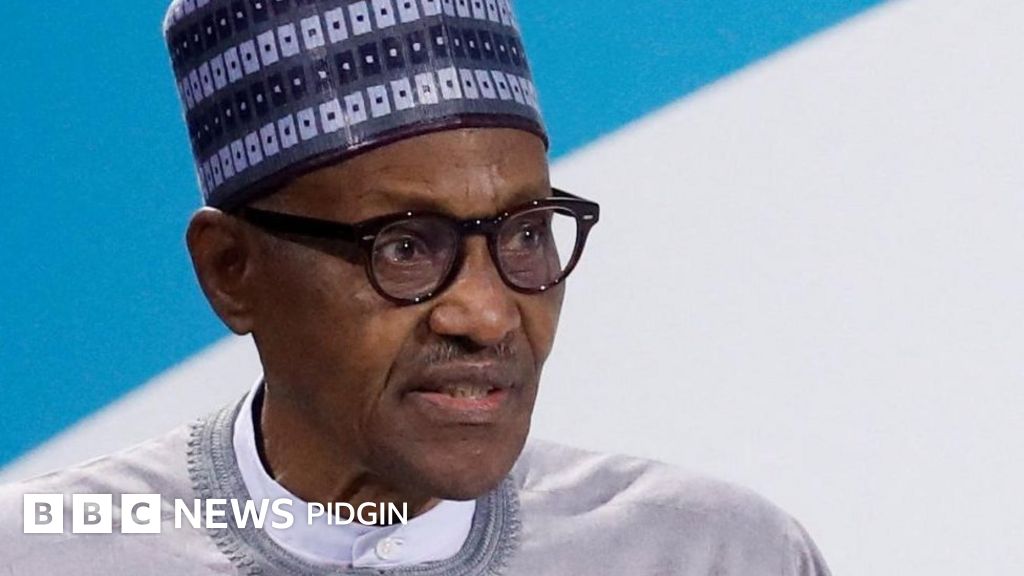
Examining Buhari’s Cause of Death
While official medical reports are pending, sources close to the family indicate Buhari succumbed to age-related complications. His health history includes:
| Year | Health Issue |
|---|---|
| 2017 | Extended medical leave in London |
| 2021 | Severe ear infection |
| 2022 | Blood transfusion needs |
Buhari’s Political Legacy: Achievements and Controversies
Buhari leaves behind a mixed legacy that includes both significant achievements and notable challenges:
- First opposition candidate to defeat an incumbent president (2015)
- Anti-corruption campaigns with questionable effectiveness
- Mixed results against Boko Haram insurgents
- Economic recession and rising national debt
The 2015 Election Watershed
Buhari’s 2015 victory was historic, marking Nigeria’s first peaceful transfer of power to an opposition candidate. However, his second term saw declining popularity as many Nigerians felt economic and security promises went unfulfilled.
How Buhari’s Death Impacts Nigerian Politics
The timing of Buhari’s passing coincides with Nigeria’s ongoing economic reforms and security challenges. His death may:
- Reopen debates about his administration’s policies
- Influence political alignments in northern Nigeria
- Affect his party’s (APC) political standing
- Provide historical perspective on current challenges
Buhari’s Early Life and Military Career
Born in 1942 in Daura, Katsina State, Buhari rose from humble beginnings to become one of Nigeria’s most prominent leaders. His military career highlights include:
- Military Governor of North-Eastern State (1975-76)
- Federal Commissioner for Petroleum (1976-78)
- Head of State (1983-85) after military coup

Buhari’s strict military governance style in the 1980s, including his “War Against Indiscipline” campaigns, shaped his reputation as a disciplinarian. This period laid the foundation for both respect and criticism that followed him into democratic politics.
Comments