
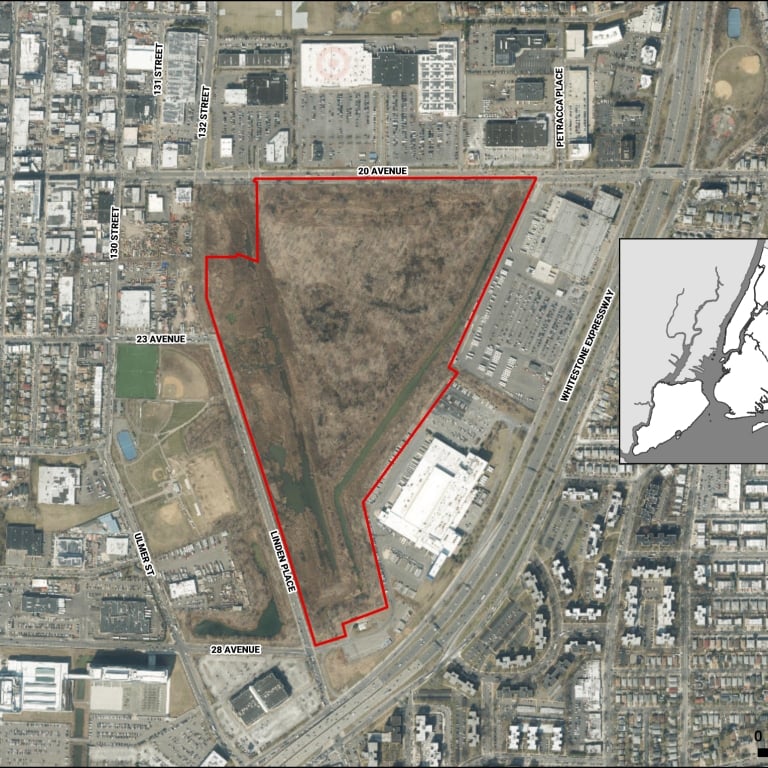
New York City faces a critical crossroads as Mayor Eric Adams pushes forward with plans to build 3,000 homes at the former Flushing Airport site in Queens. The 80-acre wetlands that emerged after the airport’s 1984 closure now stand at the center of a heated debate between housing advocates and environmentalists.
This ambitious project, touted as part of the “most pro-housing administration in city history,” seeks to alleviate Queens’ severe shortage of affordable units. However, concerns grow about losing vital flood protection and wildlife habitat that the natural wetlands currently provide.
- Mayor Adams proposes 3,000 new homes on Flushing Airport’s 80-acre wetland site, balancing NYC’s housing crisis with environmental preservation challenges.
- Environmental concerns arise as the decommissioned airport (closed since 1984) now hosts a vital wetland ecosystem serving flood mitigation, water filtration, and wildlife habitats.
- The plans prioritize affordability but lack specifics, sparking debates about infrastructure strain and climate resilience in flood-prone areas.
NYC News: Mayor Adams’ 3,000-Home Plan at Flushing Airport Wetlands Sparks Debate
New York City Mayor Eric Adams has unveiled a bold proposal to construct 3,000 housing units on the site of the former Flushing Airport in Queens, now transformed into 80 acres of wetlands. This ambitious project represents the administration’s latest effort to combat NYC’s housing crisis while navigating complex environmental considerations. The decommissioned airport, closed since 1984, has naturally evolved into a thriving ecosystem that now faces potential disruption.
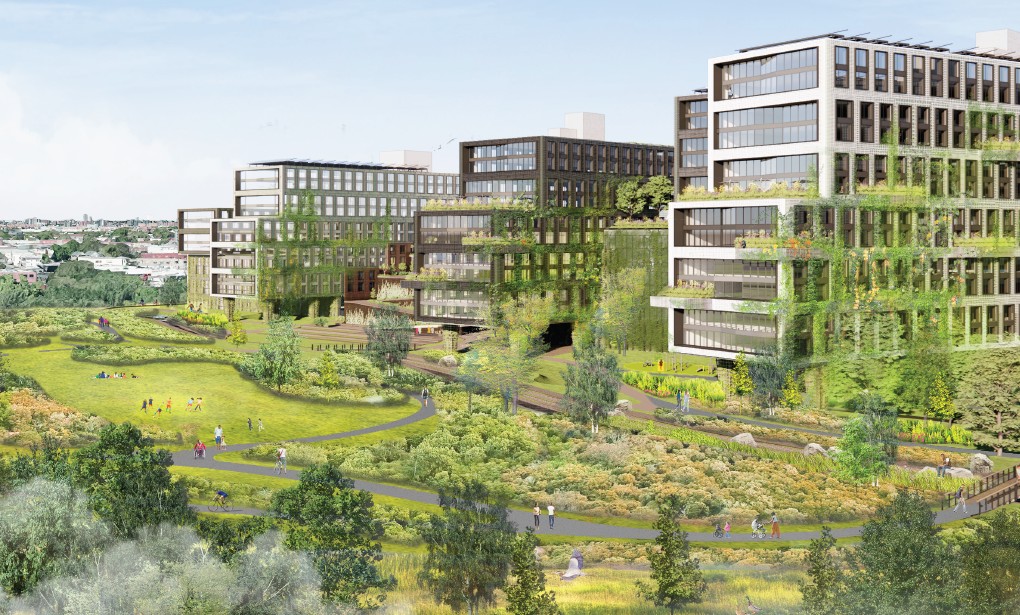

The Historical Transformation: From Airport to Wetland Sanctuary
Flushing Airport opened in 1929 as one of New York’s first municipal airports, serving primarily private aircraft before closing in 1984. The abandoned site underwent a remarkable ecological transformation:
- 1930s-1984: Active airport with runways and terminal buildings
- 1985-2000: Early stages of natural succession with pioneer species
- 2001-present: Mature wetland ecosystem supporting diverse wildlife
Today, the area functions as an unexpected urban wildlife refuge, with its wetlands providing essential stormwater absorption and habitat functions.
Environmental Impact: Can Wildlife Coexist With Development?
The proposed housing development raises significant concerns about biodiversity loss. The wetlands currently support:
| Species Category | Estimated Count | Conservation Status |
|---|---|---|
| Migratory Birds | 50+ species | Some protected under MBTA |
| Amphibians | 8 species | Including 2 species of concern |
| Plant Species | 120+ varieties | Several rare wetland plants |
City officials promise environmental impact assessments and mitigation measures, but concrete plans remain vague. Typical approaches might include creating compensatory wetlands elsewhere or preserving portions of the existing ecosystem.
Housing Crisis Solution: Assessing the Affordable Housing Components
Mayor Adams frames the project as essential for addressing Queens’ housing shortage. Key details include:
- Total Units: 3,000 residences
- Affordable Housing: Minimum 25% of units (750 homes)
- Income Targets: 40-120% of Area Median Income
However, critics argue the “affordable” units may still be unattainable for many local residents. At current Queens AMI levels, even the lowest-income targeted units could require household incomes exceeding $35,000 annually.
Infrastructure Challenges: Preparing for Population Growth
The sudden addition of thousands of residents will strain local resources:
| Service | Current Capacity | Projected Need |
|---|---|---|
| Schools | 82% occupied | Additional 500+ students |
| Transportation | Peak crowding 110% | 15% increase in ridership |
| Emergency Services | 5 min avg response | Potential delays expected |
Flood Risk Assessment: The Consequences of Wetland Removal
Wetlands provide natural flood protection valued at millions annually. Key concerns about their removal include:
- Stormwater Absorption: 80 acres can retain approximately 25 million gallons
- Flood Prevention: Reduces peak flows during heavy rainfall by 35-40%
- Water Filtration: Natural cleansing of urban runoff before reaching waterways
The administration proposes engineered solutions like underground retention tanks and permeable pavements, but these systems require maintenance and have limited lifespans compared to natural wetlands.
Alternative Approaches: Is There a Middle Ground?
Some urban planners suggest hybrid solutions that preserve ecological functions while allowing development:
- Elevated Construction: Building above preserved wetlands on piers/pilings
- Constructed Wetlands: Integrating water features throughout development
- Phased Development: Preserving portions while monitoring environmental impacts
However, these approaches typically reduce buildable area by 20-40%, potentially making projects less financially viable without subsidies.
Community Response: Voices From Queens Residents
Local reactions reveal a complex spectrum of opinions:
- Housing Advocates: “Any new affordable units are urgently needed”
- Environmentalists: “This sets a dangerous precedent for wetland development”
- Longtime Residents: “Our infrastructure can’t handle this growth”
- Business Owners: “More residents could boost local commerce”
Public hearings have drawn hundreds of attendees, with the local community board requesting more detailed environmental studies before approving any rezoning.
Legal Framework: Wetland Protections vs Housing Mandates
The project navigates between competing legal priorities:
| Protective Measure | Potential Impact |
|---|---|
| Clean Water Act | May require federal permits for wetland disturbance |
| NY State DEC Regulations | Could limit development in designated wetland areas |
| City Zoning Laws | Current industrial zoning allows housing with modifications |
The Path Forward: Timeline and Next Steps
Key milestones in the approval and development process include:
- Summer 2025: Environmental review scoping begins
- Fall 2025: Draft EIS released for public comment
- Winter 2026: ULURP process commences
- 2027: Possible construction start if approved
Community groups have vowed to closely monitor each stage, with some preparing legal challenges should environmental protections appear inadequate.
Comments