
As summer nights dazzle with celestial events, July 2025 brings a rare double meteor shower spectacle. The Southern Delta Aquariids and Alpha Capricornids will peak simultaneously on July 29-30, offering stargazers a preview before August’s famous Perseids.
This unique convergence promises up to 25 meteors per hour from the Delta Aquariids, complemented by the Alpha Capricornids’ signature fireballs. Perfect viewing conditions with minimal moonlight make this a can’t-miss event for both hemispheres.
Mark your calendars – these showers set the stage for astronomy’s summer highlight while delivering their own unforgettable display under dark, cloudless skies.
- The Delta Aquariids and Alpha Capricornids will peak simultaneously on July 29-30, 2025, offering up to 25 meteors/hour and bright fireballs respectively.
- Optimal viewing requires dark, moonless skies, with Southern Hemisphere observers getting the best Delta Aquariids display.
- The Alpha Capricornids stand out for producing slow-moving fireballs visible even after nightfall, unlike typical meteor showers.
- These July showers serve as a spectacular prelude to the August Perseids, which can produce up to 100 meteors/hour.
July Meteor Showers 2025: How to See Delta Aquariids & Alpha Capricornids Before Perseids Peak
The Dual Meteor Spectacle: Delta Aquariids Meet Alpha Capricornids
The night skies of late July 2025 will host a rare celestial convergence as the Southern Delta Aquariids and Alpha Capricornids meteor showers peak simultaneously. This cosmic double feature offers stargazers a magnificent warm-up act before August’s Perseids dominate the show. With up to 25 meteors per hour from the Delta Aquariids and potential fireballs from the Alpha Capricornids, this is one of summer’s most underrated astronomical events.
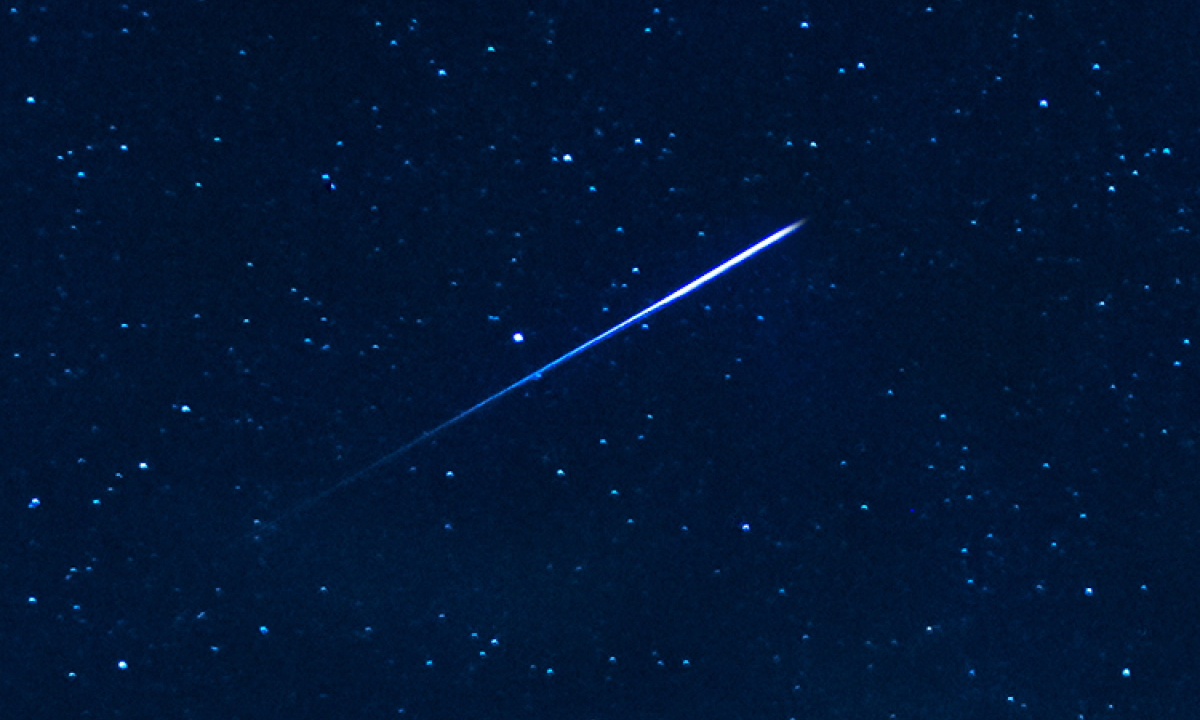
What makes this year particularly special is the favorable moon phase – a waning crescent that won’t interfere with meteor visibility. The Delta Aquariids typically produce steady streams of faint meteors with occasional bright streaks, while the Alpha Capricornids are known for their slower-moving but dramatically bright fireballs.

Optimal Viewing Conditions for July’s Meteor Showers
When and Where to Look
The peak nights for both showers occur from July 29-31, 2025, with maximum activity around 2:00 AM local time when their radiant points are highest in the sky. For Northern Hemisphere viewers, the best strategy is to look southeast toward the constellations Aquarius (Delta Aquariids) and Capricornus (Alpha Capricornids). Southern Hemisphere observers will see the radiant nearly overhead.
Key viewing tips include:
- Allow 30+ minutes for eyes to fully adapt to darkness
- Use red-light flashlights to preserve night vision
- Bring reclining chairs or blankets for comfortable viewing
- Avoid looking at phones or other bright light sources
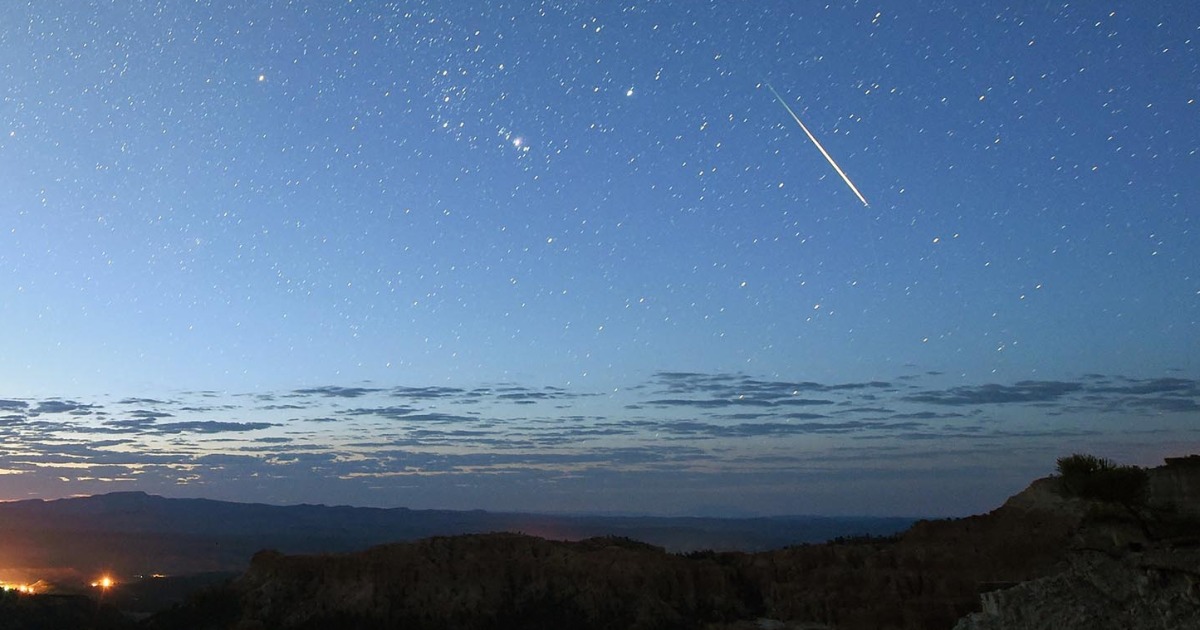
Photographing the Meteor Showers: Smartphone Tips
Capturing these fleeting celestial events requires preparation and patience. Modern smartphone cameras can produce surprisingly good meteor shots with proper settings:
| Setting | Recommendation |
|---|---|
| ISO | 800-1600 (higher for darker skies) |
| Shutter Speed | 15-30 seconds |
| Focus | Manual, set to infinity |
| Format | RAW if available |
| Stabilization | Tripod or solid surface essential |
Apps like NightCap Camera or ProCamera give manual control needed for long exposures. The key is taking hundreds of consecutive shots over several hours, as predicting when bright meteors will appear is impossible.
How the Perseids Compare to July’s Showers
August’s Cosmic Grand Finale
While July’s meteor showers provide excellent viewing opportunities, the August Perseids remain the year’s most anticipated meteor shower for good reason. Occurring August 11-13, 2025, this shower consistently delivers 50-100 meteors per hour under ideal conditions, with many leaving spectacular persistent trails.
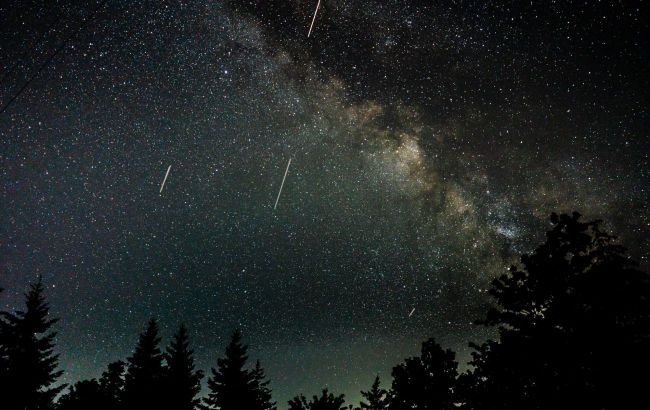
What makes the Perseids special:
- Higher meteor frequency than July showers
- Brighter average meteors with longer trails
- Warmer nighttime temperatures for viewers
- Coincides with summer vacations for many
Top Meteor Viewing Locations Across North America
Escaping Light Pollution
Finding dark skies is essential for optimal meteor viewing. Here are some recommended locations near major cities:
| City | Recommended Spot | Bortle Scale |
|---|---|---|
| Los Angeles | Joshua Tree National Park | Class 2 |
| New York | Harriman State Park | Class 3 |
| Chicago | Middle Fork River Forest Preserve | Class 3 |
| Toronto | Torrance Barrens Dark-Sky Preserve | Class 2 |
| Denver | Great Sand Dunes National Park | Class 1 |
Light pollution maps can help identify nearby dark sky locations. Remember that driving just 60-90 minutes from most cities can dramatically improve viewing conditions.

Essential Gear for Meteor Watching Comfort
Proper preparation transforms meteor watching from a chilly ordeal into a magical experience. Essential items include:
- Insulated sleeping bag or heavy blankets (even in summer)
- Thermos with hot beverages
- Insect repellent (especially in wooded areas)
- Star charts or astronomy apps with red-light mode
- Portable power bank for phone/camera
- Warm hat and gloves (temperatures drop significantly at night)
The most important element is patience – meteor showers reward those willing to spend several hours under the stars. The human eye typically spots more meteors than cameras can capture, so don’t get discouraged if photography attempts fail.
Comments