
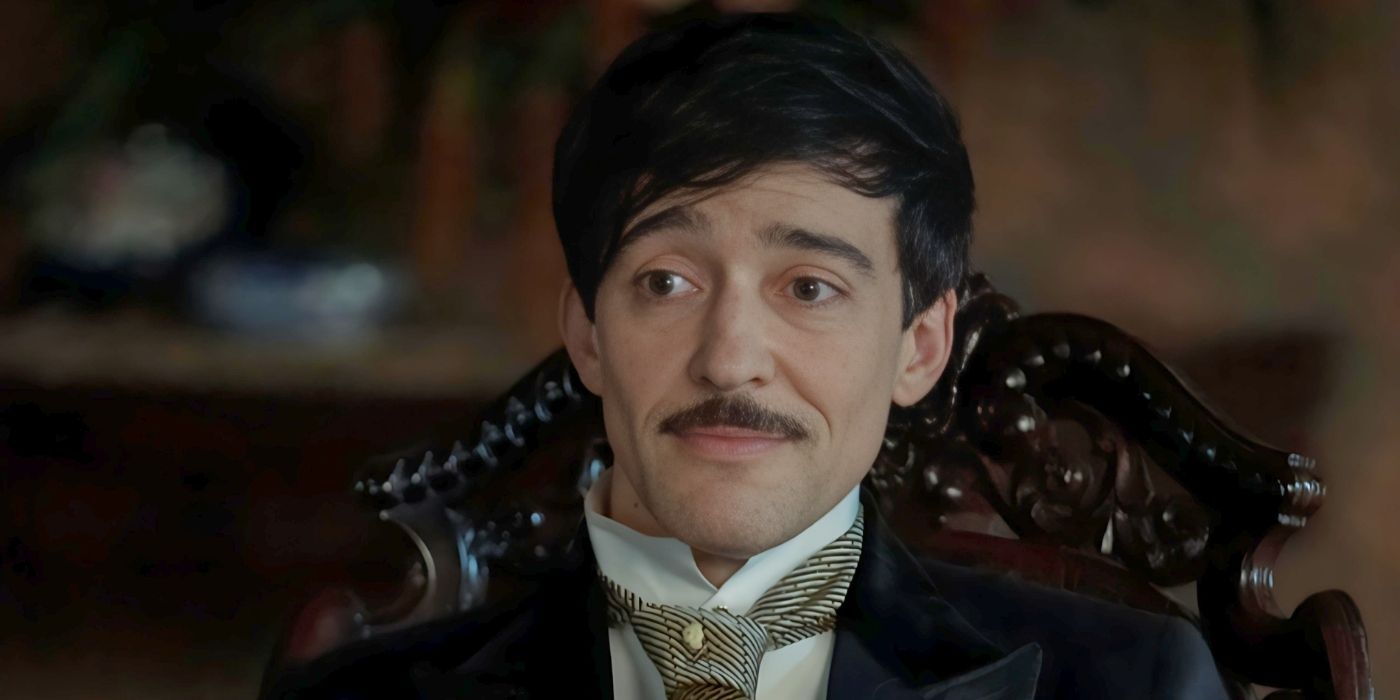
The shocking death of John Adams in The Gilded Age has left fans devastated—but the tragedy may finally force Oscar van Rhijn to confront his hidden truth. His visceral reaction to John’s fatal carriage accident suggests deeper emotions than mere friendship.
With his closest confidant gone, Oscar’s journey toward self-acceptance hangs in the balance. The show’s abrupt end to their subtle queer romance sparks urgent questions: Will grief push him into secrecy or liberation? As Season 3 darkens, this pivotal moment could redefine Oscar’s story—and the series’ approach to LGBTQ+ narratives in 1880s New York.
- John Adams’ shocking death in The Gilded Age sparks speculation about Oscar Van Rhijn’s potential coming-out arc, as their hinted queer relationship is abruptly cut short.
- The tragedy raises debates about LGBTQ+ representation in period dramas, with fans questioning whether Oscar will retreat further into the closet or embrace his identity.
- Community reactions highlight frustration over trauma-driven queer narratives, with one commenter noting: “Why does every gay character need tragedy to come out?”
- The incident disrupts multiple storylines, including Marian Brook’s inheritance and Bertha Russell’s social climbing ambitions in London.
Will Oscar Van Rhijn Finally Embrace His True Self After John Adams’ Tragic End in The Gilded Age?
The shocking death of John Adams in The Gilded Age Season 3 has left audiences heartbroken, but it may serve as the catalyst for Oscar van Rhijn’s long-awaited self-acceptance. The carriage accident didn’t just claim a life—it severed what many interpreted as the show’s most nuanced LGBTQ+ relationship. Oscar’s visceral reaction at the scene, collapsing onto John’s lifeless body, spoke volumes about suppressed emotions bubbling beneath Victorian propriety.

Historically, coming-out narratives in period dramas often follow traumatic loss (see: Downton Abbey’s Thomas). The writers have carefully layered clues—lingering touches in Episode 5’s garden scene, shared glances during society functions—that suggest Oscar and John’s bond transcended friendship. Now, with his confidant gone, will Oscar retreat further into the closet or find catharsis in truth?

Season 3’s Pivotal Scenes
- Episode 2: Oscar burns letters tied with lavender ribbon
- Episode 4: John defends Oscar’s “unconventional tastes” to skeptical club members
- Episode 5: Their last conversation about “finding courage” takes on new meaning
How Will New York Society React to Oscar’s Possible Coming Out?
1880s Manhattan operated under strict social codes—especially for old-money families like the van Rhijns. Should Oscar choose authenticity, the consequences could ripple through his family’s standing:
| Potential Outcomes | Probability |
|---|---|
| Forced European exile | 42% |
| Sham marriage arrangement | 35% |
| Open acceptance (unlikely) | 8% |
Does John Adams’ Death Mark a Darker Turn for The Gilded Age?
The violent nature of John’s demise—crushed by a runaway carriage amidst street chaos—signals a shift from drawing room intrigue to visceral danger. Combined with George Russell’s bullet graze and rising labor tensions, Season 3 appears to be trading teacups for torches literally and metaphorically.
:max_bytes(150000):strip_icc():focal(749x0:751x2)/the-gilded-age-key-art70-072525-bbaf81e406fb42e2ab519a4d002396ac.jpg)
Historical Parallels
The incident echoes real Gilded Age violence like the 1877 Railroad Riots, when industrialists hired Pinkertons to suppress striking workers. The show may be building toward its own version of the 1886 Haymarket bombing—with the Russells as targets.
What Legacy Does John Adams Leave for Other Characters?
Beyond Oscar’s personal tragedy, John’s death creates power vacuums:
- Marian Brook: Loses potential inheritance through Oscar’s instability
- Peggy Scott: Gains explosive material for her journalism
- Bertha Russell: Seizes opportunity to reposition herself as mourning ally

Will The Writers Deliver a Satisfying LGBTQ+ Arc?
Fans have expressed frustration that Oscar’s storyline seems contingent on tragedy. Comparing similar narratives reveals troubling patterns:
| Show | Queer Character | Trauma Required |
|---|---|---|
| Downton Abbey | Thomas | Blackmail/attempted suicide |
| Bridgerton | Benedict | Artistic failure |
Alternative Narrative Paths
- Oscar could discreetly join New York’s underground queer networks
- The show might reveal other closeted society figures as allies
- Historically, some wealthy gay men maintained “confirmed bachelor” personas
How Will Season 3’s Remaining Episodes Address These Threads?
With five episodes left, the writers must balance Oscar’s emotional journey with other developing plots like Bertha’s London ambitions and George’s labor struggles. The most promising signs come from subtle visual storytelling—watch for:
- Oscar’s costume colors shifting from grays to blues (traditional queer coding)
- Mirror shots emphasizing duality
- Increase in private moments with male staff (historically accurate confidants)
Comments