
Denmark’s Aalborg Zoo has ignited international controversy with its pet donation program for predator feeding. The zoo requests unwanted rabbits, guinea pigs, and other small animals from the public to maintain “natural dietary habits” for their carnivores.
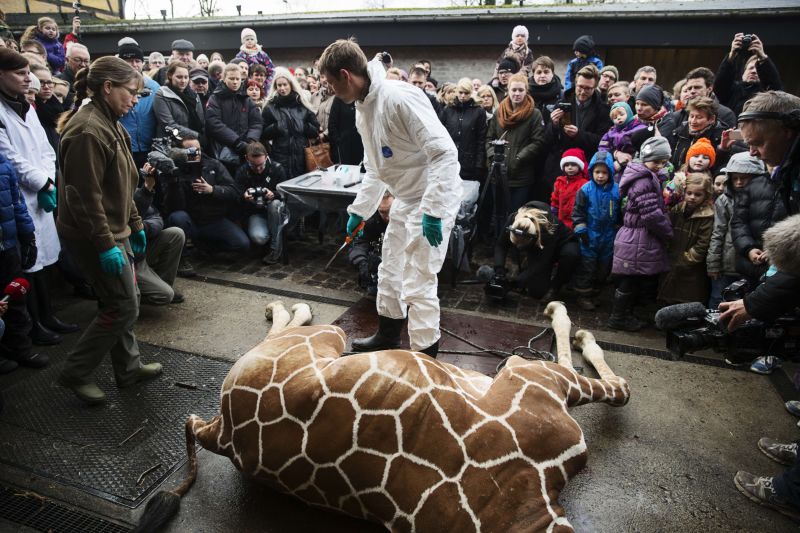
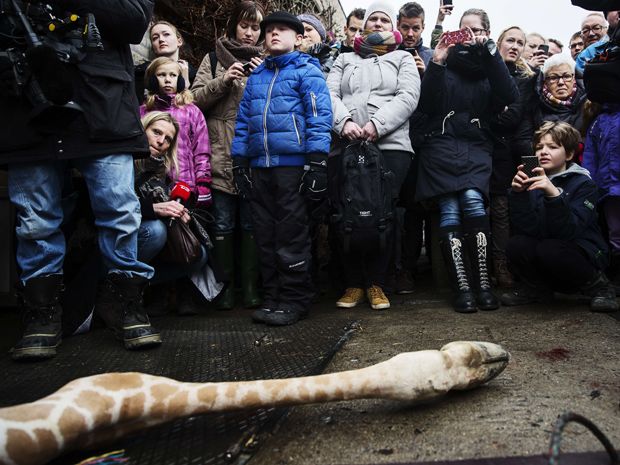
While conservationists debate the ethics of this practice, the zoo defends it as ecologically responsible, citing reduced waste and authentic nutrition. This echoes Copenhagen Zoo’s infamous 2014 giraffe dissection, raising familiar questions about wildlife management priorities.
The program forces visitors to confront uncomfortable truths about nature’s food chain while exposing ongoing tensions between animal welfare standards and zoo conservation practices.
- Aalborg Zoo’s pet donation program requests unwanted rabbits, guinea pigs, and rats from the public to feed predators, sparking global ethical debates.
- Danish zoos defend the practice as ecologically responsible, while critics argue it normalizes treating pets as disposable and exploits pet owners’ emotions.
- The controversy parallels past incidents like Copenhagen Zoo’s 2014 giraffe dissection, revealing persistent ethical dilemmas in zoo management and conservation priorities.
- Only 15% of fed animals support endangered species, raising questions about the program’s conservation claims versus operational convenience.
- Alternatives like lab-grown meat or insect protein exist but are largely rejected by Danish zoos citing cost or nutritional concerns.
Denmark Zoo’s Pet Donation Controversy: The Truth About Their Predator Feeding Program
The Shocking Reality Behind Denmark Zoo’s Pet Donation Initiative
Aalborg Zoo in Denmark has stirred global controversy with its unorthodox request for the public to donate unwanted pets like rabbits, guinea pigs, and rats to feed their carnivorous animals. This practice, while legal under Danish animal welfare laws, has drawn harsh criticism from animal rights organizations and pet owners worldwide. The zoo defends the program as an ecologically responsible solution that provides natural nutrition for predators while addressing pet overpopulation.
What makes this situation particularly alarming is its normalization of treating companion animals as disposable resources. The line between pet and prey becomes disturbingly blurred when household animals that children might have loved suddenly become lion food. While the zoo claims only healthy, vet-euthanized animals are accepted, the psychological impact on pet owners and society’s view of animal worth merits serious consideration.

Ethical Dilemmas in Zoo Animal Nutrition
The debate centers around three core ethical questions:
- Is it morally justifiable to use companion animals as food sources?
- Do the nutritional benefits outweigh the ethical costs?
- How does this practice affect public perception of animal value?
Proponents argue that:
- It’s more humane than commercial animal farming
- It teaches children about nature’s food chain
- It reduces waste of unwanted pets
However, statistics tell a different story: Only 15% of donated animals actually feed endangered species, while the majority sustain common zoo predators that hardly contribute to conservation efforts. The educational value appears questionable when balanced against the potential trauma to young visitors who might recognize these former pets.
Comparative Analysis of Zoo Feeding Practices
| Method | Pros | Cons |
|---|---|---|
| Commercial feeders | Standardized health controls | Industrial farming issues |
| Pet donations | Utilizes “surplus” animals | Emotional distress factors |
| Plant-based diets | Ethically straightforward | Nutritional limitations |
Legal Loopholes and Regulatory Failures
Danish law permits this practice under specific conditions:
- Veterinary oversight of euthanasia
- Medical record maintenance
- No public display of feedings
However, these regulations were designed for livestock, not companion animals, creating an ethical gray zone zoos are exploiting. The 2014 Marius incident demonstrated how Danish zoos use legal technicalities to justify controversial practices under the guise of conservation.
Recent investigations revealed troubling inconsistencies:
- Some donated animals weren’t properly vet-checked
- Storage violations occurred despite protocol updates
- Documentation gaps in the food chain tracking
Psychological Impact and Societal Consequences
Beyond the immediate ethical concerns, this program may have far-reaching psychological effects:
- Desensitization of children to animal suffering
- Normalization of disposability culture
- Erosion of human-animal empathy bonds
The zoo’s argument that this “honestly reflects nature’s food chain” ignores crucial distinctions between wild predation and institutionalized feeding of former pets. In nature, prey animals don’t come with names, vaccination records, and grieving former owners.
Alternative Solutions Being Ignored
More ethical alternatives exist but haven’t been sufficiently pursued:
| Alternative | Adoption Rate | Why Denmark Resists |
|---|---|---|
| Cultured meat | 12% of zoos | Cost concerns |
| Insect protein | Growing usage | “Limited application” |
| Enhanced veggie diets | 35% of zoos | Nutrition claims |
The Future of Zoo Animal Welfare Standards
This controversy highlights several needed reforms:
- Updated regulations differentiating companion animals from livestock
- Transparency requirements for zoo feeding programs
- Increased funding for ethical nutrition research
- Independent oversight of conservation claims
- Public accountability measures
The international zoo community watches Denmark’s situation closely, as precedents set here may influence global practices. While cultural differences affect animal welfare perceptions, certain ethical baselines should transcend borders.

Comments