
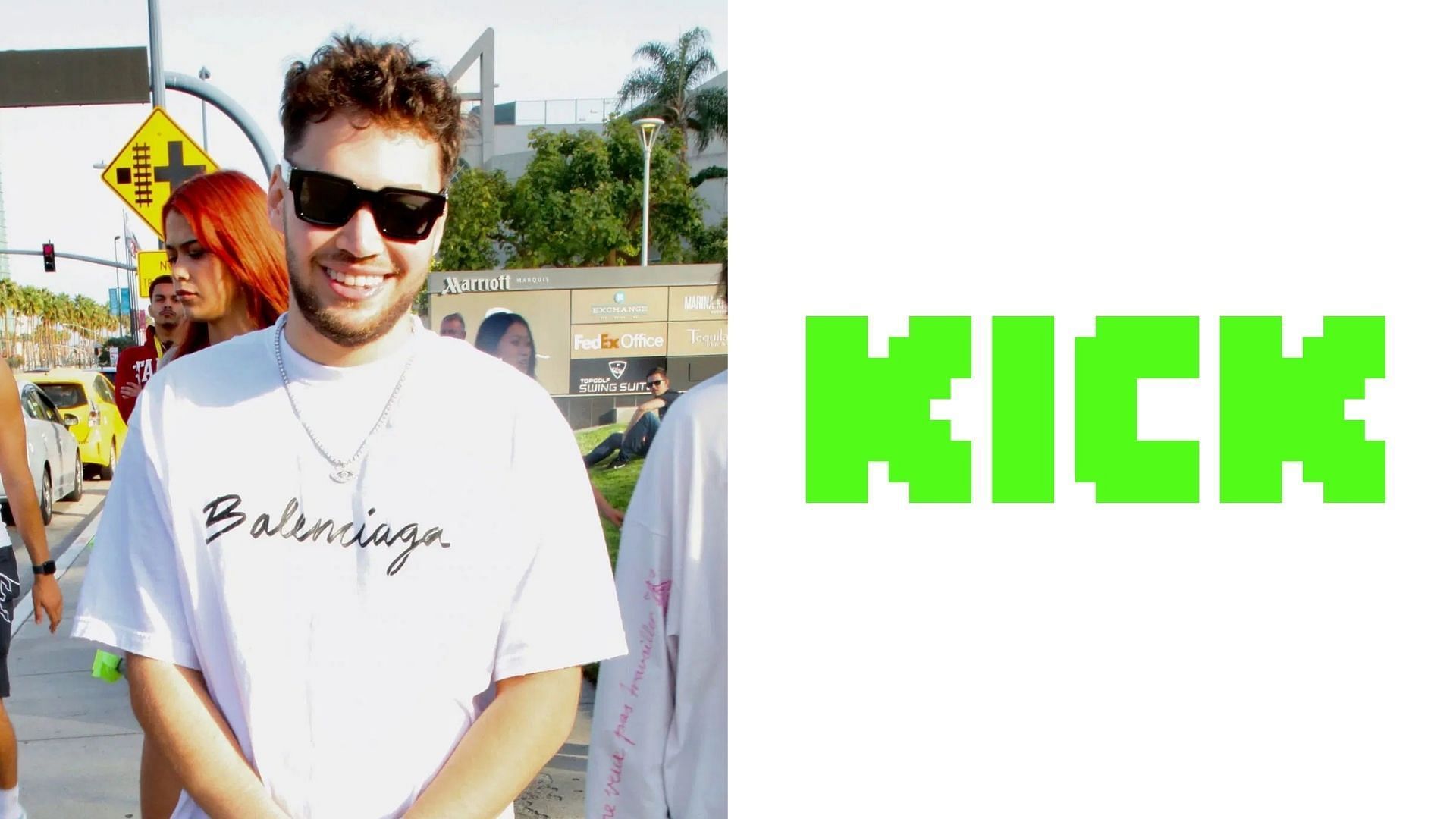
The streaming war between Twitch and Kick reaches new heights as top creators make shocking platform switches. Adin Ross reportedly considers a Twitch return despite earning $500K monthly on Kick, while controversial streamer N3on confirms his exit to Twitch.
Financial incentives fuel the drama, with Kick’s 95% revenue share luring creators away from Twitch’s ecosystem. This rivalry highlights the evolving battle for streaming dominance, where loyalty competes with profit in reshaping the industry’s future.
- The streaming war between Twitch and Kick intensifies as Adin Ross considers returning to Twitch despite earning nearly $500K/month on Kick, highlighting the financial tug-of-war for top creators.
- N3on’s switch from Kick to Twitch contrasts Ross’s potential dual-platform approach, sparking debates about platform loyalty versus financial incentives in the streaming industry.
- Kick’s 95% revenue share model and success in Spanish-speaking markets challenge Twitch’s dominance, forcing both platforms to reassess their strategies for retaining top talent.
The Escalating Streaming Wars: Twitch vs Kick Platform Battle
The conflict between Twitch and Kick has reached new heights as prominent streamers like Adin Ross consider platform switches. While Ross contemplates returning to Twitch after his lucrative stint on Kick, controversial streamer N3on has confirmed his departure from Kick to Twitch. This musical chairs scenario reveals the intense competition for top streaming talent, with financial incentives driving most platform decisions.
The streaming landscape continues to evolve rapidly, with creators weighing viewer loyalty against monetary gains. Kick’s 95% revenue share for subscriptions starkly contrasts with Twitch’s 50-70% model, creating compelling financial arguments for platform switches. However, community building and long-term stability remain important considerations that go beyond immediate payouts.

The Financial Calculus Behind Platform Switches
Streamers face complex calculations when considering platform moves:
- Short-term vs long-term earnings potential
- Audience migration challenges
- Contract restrictions and exclusivity clauses
- Content policy differences
- Brand partnership implications
Adin Ross’s Twitch Dilemma: Can Money Buy Loyalty?
Adin Ross’s situation perfectly encapsulates the current streaming wars. Despite earning nearly $500,000 monthly on Kick, the formerly banned Twitch personality is considering a return to his original platform. His case demonstrates how platforms are becoming bidding wars for top talent, with creators gaining unprecedented leverage in negotiations.

N3on’s Controversial Move: Analyzing the Twitch Contract
N3on’s high-profile switch from Kick to Twitch has sparked debate throughout the streaming community. While exact contract details remain undisclosed, industry insiders suggest Twitch likely offered guaranteed money and better long-term stability. This move directly contrasts with Ross’s potential dual-platform approach, showcasing two different strategies for platform navigation.
Comparing Platform Revenue Models
| Platform | Revenue Split | Average Earnings |
|---|---|---|
| Twitch | 50-70% | $200K-$400K/month |
| Kick | 95% | $300K-$600K/month |
Spanish Market Shift: Kick Gains Ground
Recent data shows Kick outperforming Twitch in Spanish-speaking regions, thanks to localized content and higher revenue shares appealing to Latin American creators. This demographic shift could reshape the entire streaming landscape if the trend continues.
Platform Loyalty vs Financial Reality
The streaming wars ultimately boil down to a fundamental question: Can platforms buy creator loyalty with money alone? While Kick offers superior financial terms, Twitch maintains strengths in community features, stability, and discovery algorithms. As the competition intensifies, creators will continue weighing these factors carefully before making platform decisions.
The Future of Streaming: What Lies Ahead
As the Twitch vs Kick battle continues, several trends emerge:
- Increasingly competitive creator contracts
- More platform-swapping among top talent
- Greater specialization by platform (gaming vs lifestyle content)
- Potential consolidation in the streaming market
- New monetization models emerging
The streaming wars show no signs of slowing down, with both platforms likely to refine their value propositions to attract and retain top creators. For viewers, this competition may lead to better content and viewing experiences across platforms.
Comments