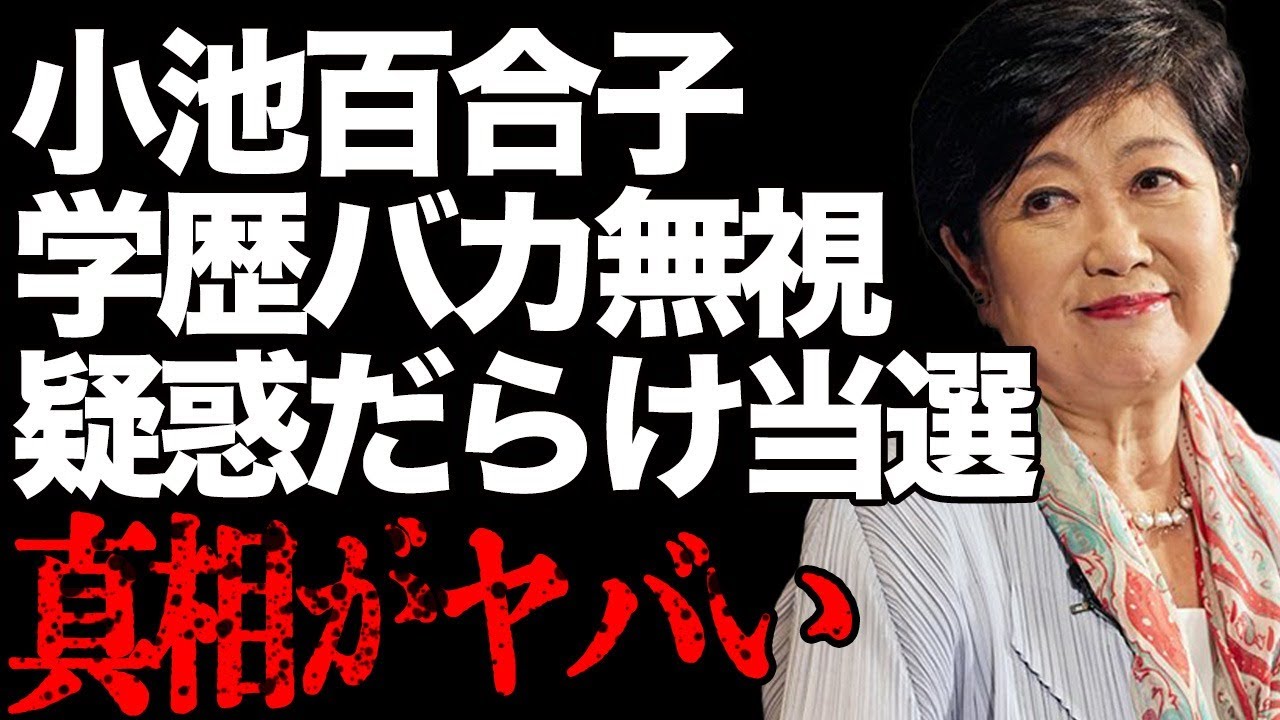
- The real reason why Yuriko Koike was re-elected as Tokyo governor despite criticism over her academic credentials and unfulfilled campaign promises is the strong support from female voters.
- Women in Japan do not place as much importance on academic credentials as men, as evidenced by the smaller wage gap between college-educated and high school-educated women compared to men.
- Koike’s policies targeting women, such as childcare support and work-life balance reforms, have been well-received and seen as beneficial to women’s daily lives.
- Koike’s consistent belief in empowering women and her success in increasing the proportion of female managers in the Tokyo government have resonated with many female voters.
- This phenomenon suggests a shift in the criteria used to evaluate politicians, with female voters placing more emphasis on policies that directly impact their daily lives rather than just academic credentials and campaign promise fulfillment.

See Video for details.
Yuriko Koike’s Continued Success as Tokyo Governor
The Irrelevance of Educational Credentials for Women
In Japan, educational credentials have traditionally been more important for men’s career advancement than for women’s. Studies show that the wage gap between college-educated and high school-educated men is much larger than the gap for women. Many women in Japan have chosen to leave the workforce after marriage and childbirth, often taking on non-regular employment. In this context, educational background has not been as decisive a factor in determining women’s life outcomes.Koike’s Policies Resonating with Women Voters
Despite criticism over unfulfilled campaign promises, Koike has implemented policies that have directly benefited many women in Tokyo. These include reducing the number of children on waiting lists for daycare, improving overcrowding on trains, providing financial support for infertility treatment, and making high school tuition effectively free. These practical, life-improving measures have earned Koike strong support from female voters.Koike’s Vision for Women’s Empowerment
Koike has consistently championed the idea that empowering women is crucial for Japan’s growth and development. Under her leadership, the percentage of women in management positions in the Tokyo metropolitan government has increased. This alignment between Koike’s beliefs and her actions has resonated with many female voters.Shifting Evaluation Criteria for Political Leaders
The case of Koike’s popularity suggests that the criteria for evaluating political leaders may be evolving, with female voters placing more emphasis on policies that directly impact their daily lives rather than traditional measures like educational background or campaign promise fulfillment.Balancing Short-term Popularity and Long-term Impact
While this shift in evaluation criteria points to a new direction in Japanese politics, there are also risks. Politicians may be tempted to pursue short-term popularity through populist measures rather than focusing on policies with sustainable, long-term benefits. Maintaining a balance between responsiveness to voters’ needs and responsible governance will be crucial.The Ongoing Debate on Political Evaluation Standards
The question of whether political evaluation standards should change, or if separate standards for men and women are problematic, is one that will continue to shape the future of Japanese politics. Navigating these complex issues will be essential for ensuring a representative and effective democratic system.Q&A: Yuriko Koike’s Surprising 3rd Term Win
Q: Why was Yuriko Koike able to win her third term as Tokyo Governor despite criticism over her unfulfilled campaign promises?
A: There are a few key reasons why Yuriko Koike was able to maintain strong support from female voters despite criticism over her unfulfilled campaign promises: 1. Women in Japan do not place as much emphasis on educational credentials as men. Koike’s alleged degree fabrication was not as much of an issue for female voters. 2. Koike has implemented several policies that are highly valued by women, such as increased childcare support, infertility treatment subsidies, and tuition-free public high school. These policies have directly improved the daily lives of many women. 3. Koike has consistently championed the idea that empowering women is crucial for Japan’s growth and development. Her track record of increasing the percentage of female managers in the Tokyo government reflects this belief. 4. Evaluations of political leaders by female voters tend to focus more on policies that impact their daily lives, rather than just educational background and campaign promise fulfillment, which are more important to male voters.
Q: What does Yuriko Koike’s strong support from female voters suggest about the changing nature of political evaluations in Japan?
A: Yuriko Koike’s high approval ratings among female voters suggest a shift in how political leaders are evaluated in Japan. Traditionally, assessments have been based more on male-centric values like educational credentials and campaign promise fulfillment. However, female voters appear to place greater emphasis on policies that directly impact their daily lives, such as childcare support and women’s empowerment initiatives. This indicates that the criteria for evaluating political leaders is evolving, with a greater focus on how policies affect the everyday concerns of citizens, especially women. This phenomenon may signal a broader shift in Japanese politics, where appealing to the specific needs and perspectives of female voters is becoming increasingly important for political success. Going forward, politicians who can effectively address the daily challenges faced by women may be better positioned to gain their support.
Video: The true reason why Yuriko Koike was re-elected for a third term is shocking… The “7 zeros” target was not achieved, but her support base remained unchanged! It’s surprising that she became the governor of Tokyo even by ignoring a certain segment of “academic idiots”.
Comments