Summary
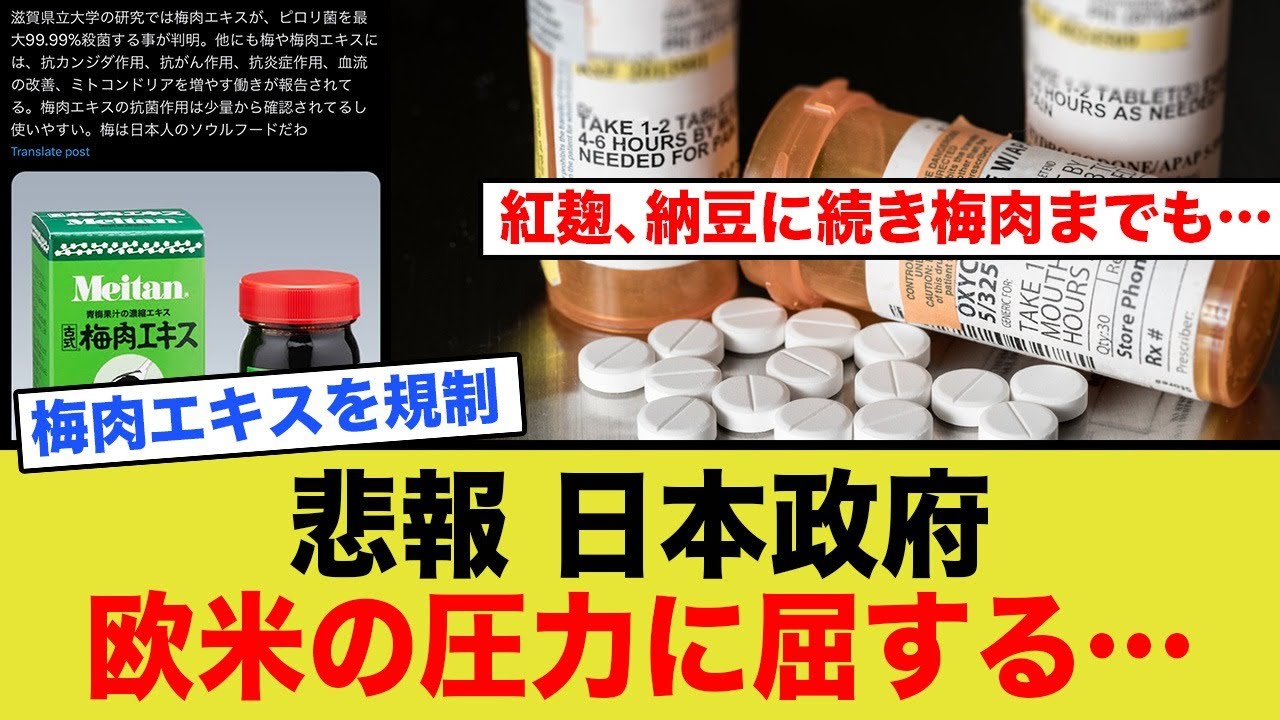
- Japanese government regulates plum extract
- Pressure from European and American pharmaceutical companies
- Follows regulations on red yeast rice and natto
- Expansion of regulations on traditional Japanese foods
- Concerns over impact on traditional Japanese industries

See Video for details.
TOC
The Regulation of Umeboshi Extract by the Japanese Government
The Influence of European and American Pharmaceutical Companies
The Japanese government has decided to regulate the use of umeboshi extract, a traditional Japanese ingredient. This decision has raised concerns that the government may have succumbed to the pressure exerted by European and American pharmaceutical companies. The regulation of umeboshi extract follows the previous restrictions placed on red yeast rice and natto, leading some to question whether the government is prioritizing the interests of foreign companies over traditional Japanese products.The Significance of Umeboshi in Japanese Cuisine
Umeboshi, or pickled plums, are a staple ingredient in Japanese cuisine, known for their unique flavor and health benefits. The regulation of umeboshi extract, which is commonly used in various food products, has sparked a debate about the preservation of traditional Japanese culinary traditions and the potential impact on the domestic market.The Potential Impact on the Japanese Food Industry
The decision to regulate umeboshi extract may have far-reaching consequences for the Japanese food industry. Manufacturers and producers of umeboshi-based products may face challenges in adapting to the new regulations, potentially leading to changes in product formulations or the availability of certain items in the market.The Role of Traditional Japanese Ingredients in the Global Market
The Increasing Popularity of Japanese Cuisine Worldwide
Japanese cuisine has gained significant popularity worldwide in recent years, with traditional ingredients like umeboshi becoming more widely recognized and sought after by consumers. The regulation of umeboshi extract may impact the ability of Japanese food producers to meet the growing global demand for these traditional products.The Potential for Collaboration between Japan and International Partners
As the Japanese government navigates the regulation of umeboshi extract, there may be opportunities for collaboration between domestic and international stakeholders. This could involve exploring ways to balance the preservation of traditional Japanese culinary practices with the needs of the global market and the interests of foreign companies.The Importance of Preserving Cultural Heritage in the Face of Globalization
The regulation of umeboshi extract highlights the broader challenge of preserving cultural heritage and traditional practices in the face of globalization and the influence of international markets. The Japanese government’s decision will be closely watched as a case study in how nations can balance the protection of their culinary traditions with the demands of the global economy.Q&A: Japan Govt Limits Plum Extract, Bows to Pharma Pressure
What is the regulation on Japanese government regarding umeboshi extract?
The Japanese government has regulated the use of umeboshi (pickled plum) extract.
What is the reason behind this regulation?
The regulation is believed to be due to the pressure from European and American pharmaceutical companies.
What other Japanese traditional foods have been affected?
In addition to umeboshi, the regulation has also affected other traditional Japanese foods such as red yeast rice and natto (fermented soybeans).
Video: Japanese government regulates plum extract. Did they succumb to pressure from European and American pharmaceutical companies? “After red yeast rice and natto, now even plum extract…”
Comments