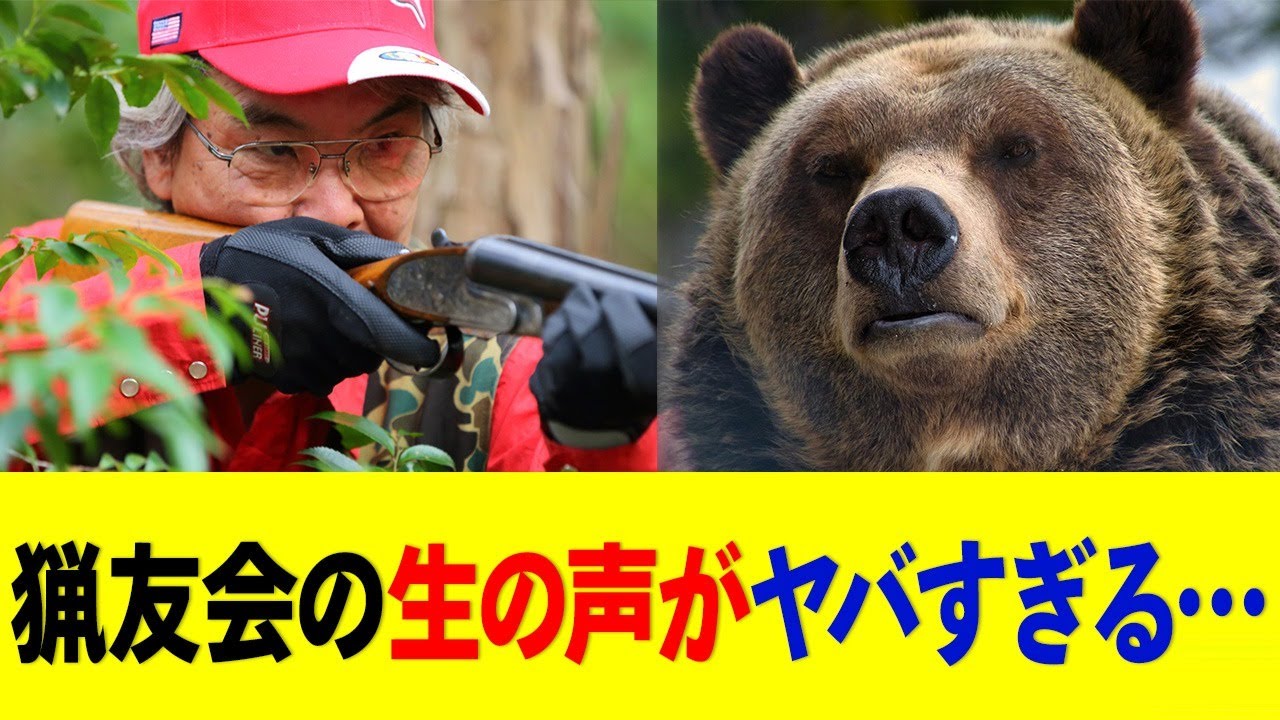
Summary
- Serious issue of bear culling in Hokkaido
- Criticism over low rewards, less than 5,000 yen
- Increasing bear-human conflicts in the region
- Need for effective wildlife management strategies
- Calls for higher compensation and improved policies

See Video for details.
TOC
The Challenges of Bear Management in Hokkaido
The Severity of the Bear Removal Issue
The bear removal problem in Hokkaido has become increasingly serious. The low bounty of 5,000 yen or less has drawn widespread criticism, highlighting the need for a more comprehensive approach to address this issue.The Importance of Effective Bear Management Strategies
Effective bear management strategies are crucial in Hokkaido to ensure the safety of local communities and the preservation of the region’s natural ecosystem. The current bounty system may not be sufficient to address the problem adequately.The Need for Increased Funding and Resources
Increased funding and resources are necessary to implement more effective bear management measures in Hokkaido. The low bounty has been criticized, and a review of the current system may be necessary to address the issue more effectively.The Role of Local Authorities in Bear Management
Collaboration between Stakeholders
Collaboration between local authorities, wildlife experts, and community members is crucial in developing and implementing effective bear management strategies in Hokkaido.Community Engagement and Education
Engaging the local community and providing education on bear behavior and safety measures can help mitigate human-bear conflicts in Hokkaido.Balancing Conservation and Public Safety
Striking a balance between bear conservation and public safety is a key challenge for local authorities in Hokkaido. Developing sustainable solutions that address both concerns is essential.The Impact of Climate Change on Bear Populations
Habitat Fragmentation and Displacement
Climate change-induced habitat fragmentation and displacement can contribute to the increasing human-bear conflicts in Hokkaido, requiring a comprehensive approach to address these challenges.Adaptations and Behavioral Changes
Bears in Hokkaido may exhibit adaptations and behavioral changes in response to the impacts of climate change, further complicating the management of these populations.The Need for Long-term Monitoring and Research
Ongoing monitoring and research on bear populations and their interactions with the changing environment in Hokkaido are essential for developing effective long-term management strategies.Q&A: Hokkaido’s Bear Crisis: Criticism Over Low Rewards
What is the issue with bear culling in Hokkaido?
The issue of bear culling in Hokkaido has become increasingly serious. The current reward of 5,000 yen or less for bear culling has faced widespread criticism.
What is the current reward for bear culling in Hokkaido?
The current reward for bear culling in Hokkaido is 5,000 yen or less, which has faced criticism as being too low.
How has the public responded to the bear culling issue in Hokkaido?
The low reward for bear culling in Hokkaido has faced backlash and criticism from the public.
Video: Bear control problem in Hokkaido is becoming serious! Criticism pours in over the reality of rewards under 5,000 yen.
Comments