Summary
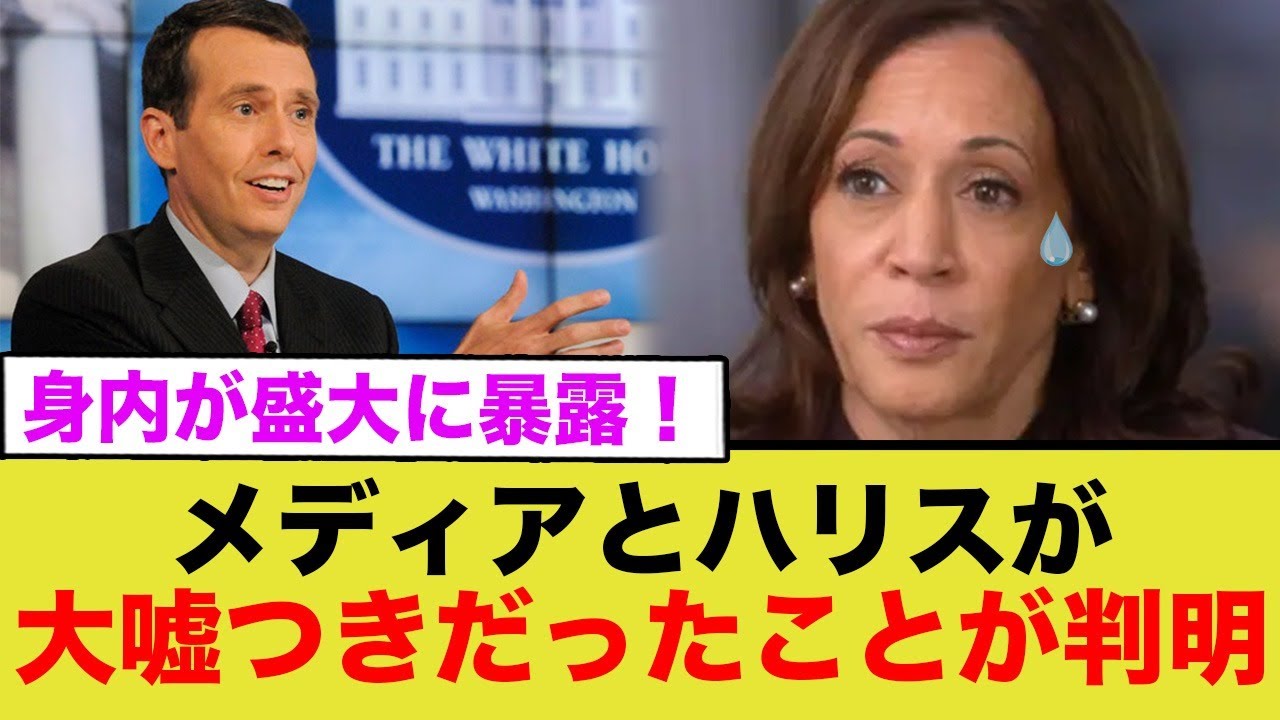
- Japan’s media may have manipulated public opinion
- Doubts about the reliability of news reports
- Questioning the credibility of information sources
- Concerns about the influence of media on public perception
- Uncertainty about the accuracy of information being presented

See Video for details.
TOC
The Influence of Media on Public Opinion
The Role of Media in Shaping Perceptions
The media plays a significant role in shaping public opinion. Through selective reporting, framing, and the amplification of certain narratives, the media can influence how people perceive and understand events and issues. This phenomenon is not unique to Japan, as it can be observed in various countries around the world.The Potential for Media Manipulation
There are concerns that the media may sometimes engage in manipulative practices, such as deliberately distorting information or suppressing certain perspectives, in order to sway public opinion. This can lead to a situation where the public’s understanding of events and issues may not accurately reflect the reality on the ground.The Need for Critical Thinking
In the face of potential media manipulation, it is important for individuals to engage in critical thinking and to seek out diverse sources of information. By analyzing the information presented by the media and considering multiple perspectives, people can develop a more nuanced and accurate understanding of the issues at hand.The Importance of Media Literacy
Developing the Ability to Critically Evaluate Media Content
Media literacy is the ability to critically analyze and evaluate the information presented by the media. This includes understanding the underlying biases, agendas, and motivations that may shape the way information is presented.Fostering a Diverse and Balanced Media Landscape
Ensuring a diverse and balanced media landscape is crucial in order to provide the public with a range of perspectives and to counter the potential for media manipulation. This can involve supporting independent and alternative media sources, as well as promoting media policies that encourage diversity and accountability.The Role of Citizen Engagement
Ultimately, the responsibility for maintaining a healthy and informed public discourse lies not only with the media, but also with the citizens themselves. By actively engaging with the media, questioning its narratives, and seeking out alternative sources of information, individuals can play a crucial role in ensuring that the media serves the public interest.Q&A: Japan’s Media Manipulation: Shinziro’s Lament
What is the main topic of the given text?
The main topic of the given text appears to be the claim that media reporting in Japan has been manipulating public opinion.
What is the author’s opinion on the media’s influence in Japan?
The author seems to believe that the media in Japan has been engaging in manipulation of public opinion, to the point where the author feels that “nothing can be believed anymore”.
What is the author’s overall sentiment expressed in the text?
The author’s overall sentiment expressed in the text is one of disillusionment and a lack of trust in the media and the information being reported.
Video: Japan too? The theory that the media has been manipulating public opinion is strong. I don’t believe anything anymore…
Comments