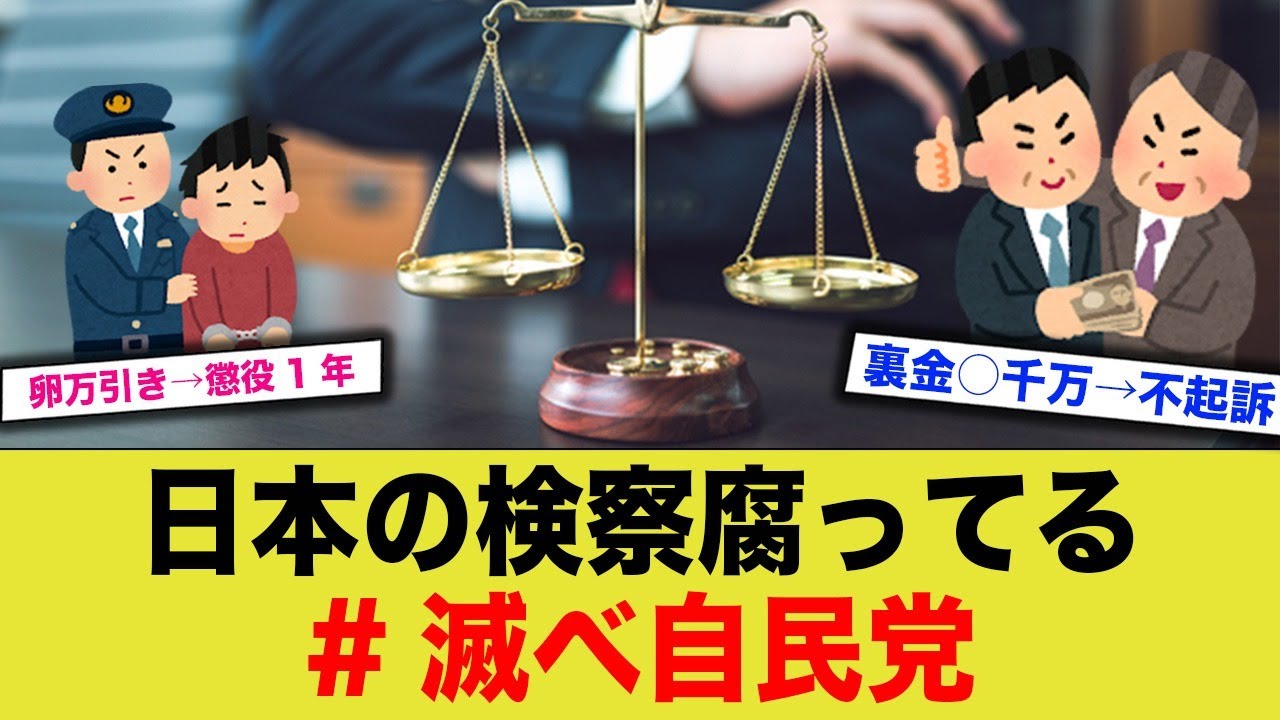
Summary
- Theft of eggs leads to one-year imprisonment, while embezzlement of millions goes unprosecuted
- Discrepancies in the justice system regarding criminal punishments
- Disproportionate treatment of different types of crimes
- Concerns about fairness and equality in the application of the law
- Need for a more consistent and equitable approach to criminal sentencing

See Video for details.
TOC
The Embezzlement Scandal of Masaru Tanaka
Masaru Tanaka’s Embezzlement Scheme
Masaru Tanaka, a prominent businessman, was accused of embezzling millions of dollars from his company’s funds. The investigation revealed that Tanaka had been systematically diverting company money into a secret slush fund for his personal use over an extended period. This breach of trust and fiduciary duty had a significant impact on the company’s financial stability and reputation.The Judicial Response to Tanaka’s Crimes
Despite the severity of Tanaka’s crimes, he was sentenced to only one year in prison for the egg theft incident, while the embezzlement of millions of dollars resulted in no charges being filed. This disparity in the judicial response has raised concerns about the fairness and consistency of the legal system, as well as the potential for preferential treatment of wealthy and influential individuals.The Aftermath and Implications
The Tanaka case has sparked a broader discussion about the need for stronger corporate governance, more rigorous financial oversight, and a justice system that holds all individuals accountable, regardless of their social or economic status. The public’s trust in the integrity of the legal system has been shaken, and there is a growing demand for reforms to address the perceived inequities in the treatment of white-collar crimes.The Controversy Surrounding the Judicial Outcomes
The Egg Theft Incident and the Disproportionate Sentence
The public was outraged by the seemingly lenient sentence handed down to Masaru Tanaka for the egg theft incident, which resulted in a one-year prison term. This punishment was seen as vastly disproportionate to the crime, especially when compared to the lack of charges for the much more significant embezzlement scheme.The Embezzlement Charges and the Lack of Prosecution
The failure to prosecute Masaru Tanaka for the embezzlement of millions of dollars from his company’s funds has been widely criticized. The public perception is that the legal system has failed to hold a wealthy and influential individual accountable for his actions, further eroding confidence in the fairness of the justice system.The Broader Implications and the Need for Reform
The Tanaka case has highlighted the need for a comprehensive review of the legal system’s approach to white-collar crimes. There is a growing consensus that the disparities in the treatment of different types of crimes, particularly those involving the wealthy and powerful, must be addressed to restore public trust and ensure that the justice system serves the interests of all citizens equally.The Call for Accountability and Transparency
Demands for Stronger Corporate Governance
The Tanaka case has reignited the debate about the need for more robust corporate governance measures to prevent and detect financial misconduct. There are calls for stricter regulations, enhanced auditing procedures, and greater transparency in the management of corporate funds to protect shareholders and the public from such abuses of power.The Push for Judicial Reforms
The public outcry over the Tanaka case has also led to renewed calls for judicial reforms to address the perceived biases and inconsistencies in the legal system. Proposals include the implementation of sentencing guidelines that consider the severity of the crime rather than the social or economic status of the offender, as well as the establishment of specialized courts or task forces dedicated to the prosecution of white-collar crimes.The Importance of Restoring Public Trust
Ultimately, the Tanaka case has highlighted the critical importance of restoring public trust in the integrity of the legal system. By addressing the perceived inequities and ensuring that all individuals, regardless of their wealth or influence, are held accountable for their actions, the justice system can regain the confidence of the public and uphold the principles of fairness and equal justice under the law.Q&A: Egg Theft: 1 Year Jail, Slush Fund: No Charges
What is the title of the article?
The title of the article is “Egg Shoplifting → 1 Year Imprisonment, Slush Fund of Millions → No Indictment… Isn’t That Strange?”
What is the main focus of the article?
The article discusses the discrepancy in the legal treatment of different types of crimes, where shoplifting of eggs results in a one-year prison sentence, while a slush fund of millions of dollars leads to no indictment.
What is the author’s perspective on the situation?
The author expresses that the situation is strange and questions the fairness of the legal system, where the punishment for a minor crime like shoplifting seems disproportionate compared to the lack of consequences for a more serious financial crime.
Video: Shoplifting eggs – 1 year in prison, Slush fund of millions – not prosecuted… This is ridiculous, isn’t it?
Comments