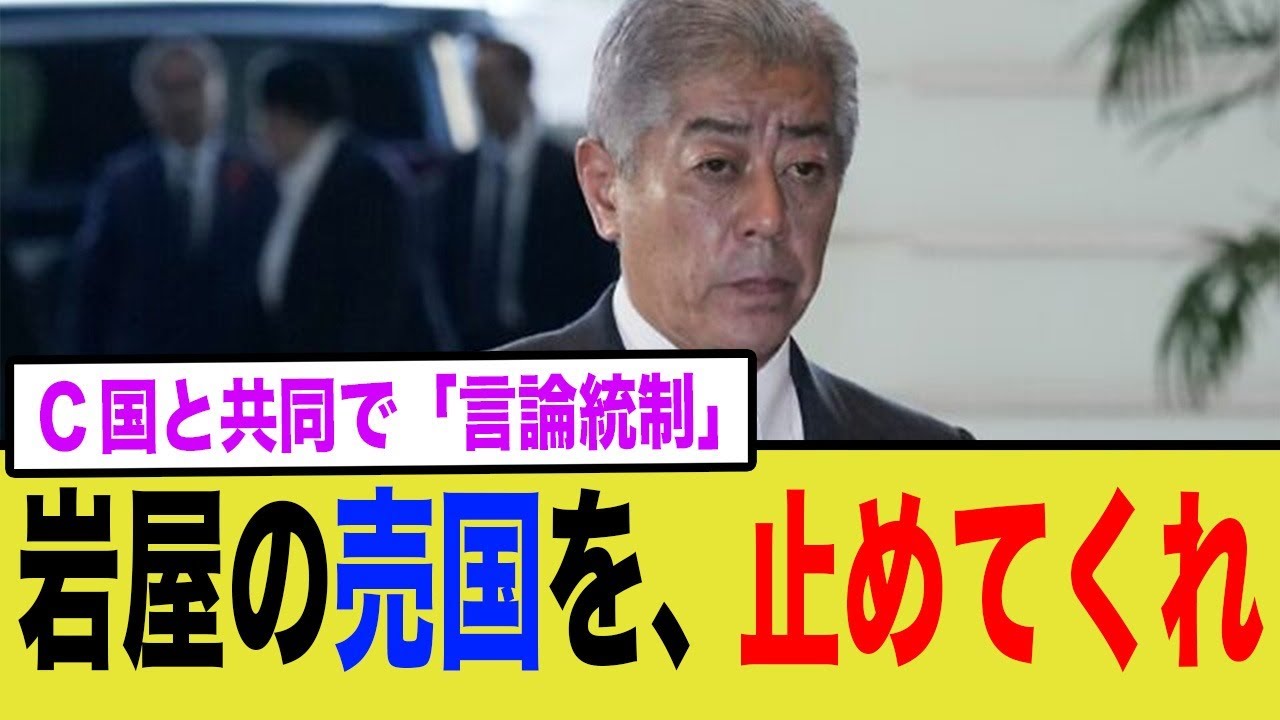
- Japan’s Foreign Minister Iwaya makes another concession.
- Concerns over Japan’s foreign policy decisions and their potential impact.
- Criticism of the Foreign Minister’s approach to international negotiations.
- Calls for a more assertive and strategic foreign policy from Japan.
- Implications of Japan’s perceived “selling out” in the international arena.

See Video for details.
The Controversial Decisions of Foreign Minister Iwaya
Iwaya’s Approach to International Negotiations
Foreign Minister Iwaya has been criticized for his perceived willingness to make concessions in international negotiations, often seen as “selling out” Japan’s interests. His negotiation tactics and decision-making processes have come under scrutiny, with concerns raised about the long-term implications of his actions on Japan’s global standing.
Iwaya’s Impact on Japan’s Foreign Policy
The Foreign Minister’s decisions have had a significant impact on Japan’s foreign policy, often drawing criticism from both domestic and international observers. His handling of sensitive diplomatic issues has been a source of controversy, with questions raised about his ability to effectively represent Japan’s interests on the global stage.
Challenges Facing Iwaya in his Role as Foreign Minister
Iwaya’s tenure as Foreign Minister has been marked by a number of challenges, including navigating complex geopolitical tensions, managing relationships with key international partners, and addressing domestic concerns about Japan’s foreign policy direction. His ability to overcome these challenges and provide effective leadership has been a subject of ongoing debate.
Iwaya’s Diplomatic Strategies and their Consequences
Iwaya’s Approach to Bilateral Negotiations
In his role as Foreign Minister, Iwaya has been involved in a number of bilateral negotiations, often with a focus on economic and trade-related issues. His negotiation tactics and the outcomes of these discussions have been closely scrutinized, with concerns raised about the potential impact on Japan’s national interests.
Iwaya’s Handling of Multilateral Agreements
Beyond bilateral negotiations, Iwaya has also been involved in the negotiation and implementation of multilateral agreements, such as international treaties and trade deals. His approach to these complex negotiations has been a source of debate, with questions raised about his ability to effectively represent Japan’s position and protect its interests.
The Domestic Implications of Iwaya’s Diplomatic Decisions
Iwaya’s decisions as Foreign Minister have not only impacted Japan’s international standing but have also had significant domestic implications. His actions have been scrutinized by the Japanese public, with concerns raised about the potential impact on the country’s economic and social well-being.
The Future of Japan’s Foreign Policy under Iwaya’s Leadership
Iwaya’s Vision for Japan’s Global Role
As Foreign Minister, Iwaya has articulated a vision for Japan’s global role and its positioning within the international community. However, his ability to effectively implement this vision and navigate the complex geopolitical landscape has been a subject of ongoing debate.
Calls for Accountability and Transparency in Iwaya’s Decision-Making
Iwaya’s actions as Foreign Minister have prompted calls for greater accountability and transparency in his decision-making processes. Domestic and international stakeholders have expressed a desire for a more transparent and inclusive approach to Japan’s foreign policy formulation and implementation.
The Potential Impact of Iwaya’s Tenure on Japan’s Future Diplomatic Efforts
The long-term implications of Iwaya’s tenure as Foreign Minister on Japan’s future diplomatic efforts remain a subject of speculation and concern. His legacy and the lasting impact of his decisions will continue to be a topic of discussion and analysis within Japan and the international community.
Q&A: Minister Iwaya Sells Japan Short Again
What did Foreign Minister Iwaya do?
According to the title, Foreign Minister Iwaya has once again underpriced Japan.
What is the context of this news?
The text does not provide enough context to determine the specific details of the situation. The title only indicates that Foreign Minister Iwaya has underpriced Japan in some way.
How does this news relate to Japan’s foreign policy?
The title suggests that this news is related to Japan’s foreign policy, as it involves actions taken by the Foreign Minister. However, without more context, it is difficult to determine the exact implications for Japan’s foreign policy.
Video: [Translated Title]: [Bad News] Foreign Minister Iwaya Sells Japan Short Again.
Comments