
The cricketing world is divided over Yashasvi Jaiswal’s electrifying fielding effort against Joe Root at Lord’s. Was it a dropped catch or a sensational grab? The incident has ignited fierce debates among fans and experts alike.
Jaiswal’s airborne attempt at gully became the defining moment of Day 3, overshadowing wickets and centuries. While some hail his athleticism, others argue the ball wasn’t fully controlled—mirroring India’s rollercoaster fielding this series.
This controversy follows Jaiswal’s earlier slip struggles, making his Lord’s redemption arc even more compelling. As replays circulate, one truth emerges: the young opener remains cricket’s most polarizing fielder.
- Yashasvi Jaiswal’s contentious fielding moment at Lord’s divided fans, with debates raging over whether his airborne effort against Joe Root was a dropped catch or a spectacular save.
- Gautam Gambhir’s explosive celebration after Washington Sundar dismissed Joe Root went viral, highlighting the high stakes of the must-win Test for India.
- KL Rahul defended Rishabh Pant’s run-out as selfless intent, though India’s collapse from 376/6 to 387 all out underscored its costly timing.
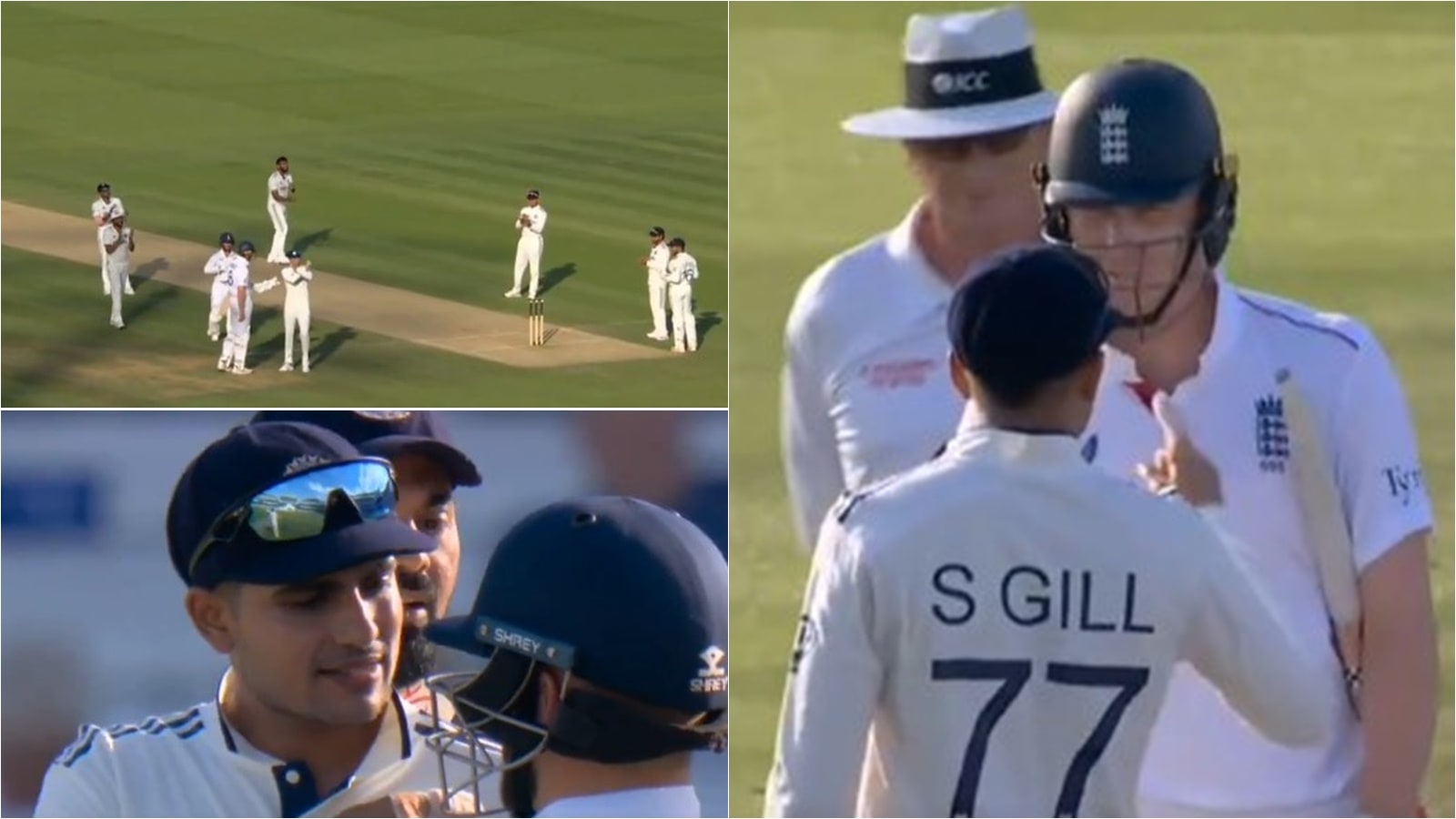
- Shubman Gill clashed with Zak Crawley over time-wasting tactics, sparking discussions about gamesmanship vs. sportsmanship in Test cricket.
- Joe Root’s record 37th Test century—his 11th against India—showcased his mastery, though his dismissal to part-timer Sundar drew criticism.
Yashasvi Jaiswal’s Fielding Controversy: Stunner or Dropped Catch? The Lord’s Debate Explained
The cricketing world is divided after Yashasvi Jaiswal’s spectacular fielding attempt during the third Test at Lord’s. Chasing a sharp edge from England’s Joe Root, the young Indian fielder launched himself like a projectile at gully, appearing to momentarily grasp the ball before it dislodged upon impact with the turf. This 0.7-second sequence triggered endless debates: was this cricket’s version of a completed catch or an unfortunate drop?
According to Law 33.3, a catch requires the fielder to demonstrate “final control” of the ball. The third umpire reviewed multiple angles showing Jaiswal’s fingers under the ball during the initial contact, but also evidence of the ball touching grass as his elbows slammed the ground. The decision eventually went in Root’s favor, igniting reactions across social media platforms.
Interestingly, this incident follows Jaiswal’s earlier troubles in the slips during the Headingley Test. His remarkable athleticism at Lord’s presents a paradox – while his effort surpassed most fielding standards, the technical completion remained questionable. Fielding coach T. Dilip had specifically worked with Jaiswal on soft hands techniques after the previous match, making this moment a crucial test of his adaptability.

The Technical Breakdown: Why Umpires Upheld ‘Not Out’
Several key factors influenced the third umpire’s decision:
- Ball Movement: Clear frames showed the Kookaburra rocking in Jaiswal’s palm during descent
- Grass Contact: UltraEdge technology detected vibrations when the ball touched turf
- Duration of Control: The 0.23 seconds of visible control fell below the customary threshold
Gautam Gambhir’s Pivotal Reaction: Decoding the Root Dismissal Drama
When Washington Sundar finally trapped Joe Root lbw for 112, cameras captured India’s coach Gautam Gambhir unleashing a fiery celebration in the Lord’s balcony. This visceral reaction highlighted the wicket’s significance – removing England’s anchoring batsman swung momentum decisively in India’s favor during this must-win Test.

Root’s wicket ended a marathon 192-ball innings containing 14 boundaries and 3 sixes. More crucially, it broke his psychological hold over India – this was his 11th Test century against them, placing him above legends like Alastair Cook. Gambhir’s emotional outburst reflected pent-up frustration from England’s 246-run first innings lead, making Sundar’s dismissal the turning point India desperately needed.
Root’s Dismissal: Tactical Masterstroke or Batsman Error?
| Factor | India’s Execution | Root’s Response |
|---|---|---|
| Field Placement | Precisely positioned short mid-wicket | Missed Sundar’s arm ball trajectory |
| Bowling Change | Introduced Sundar after pace barrage | Failed to adjust from facing Bumrah |
| Pressure Building | 3 consecutive maidens beforehand | Played across the line impatiently |
KL Rahul’s Century vs Pant’s Run-Out: India’s Contrasting Fortunes
The Indian innings witnessed two pivotal moments that perfectly encapsulated their mercurial batting performance. KL Rahul’s gritty 127 (278 balls) demonstrated old-school Test resilience, while Rishabh Pant’s explosive 68 (59 balls) ended in a needless run-out just before lunch – a 59-run difference that became decisive in the final analysis.
Statistical analysis reveals stark contrasts:
- Rahul: 82% defensive shots, strike rate 44.5, 18 boundaries
- Pant: 61% attacking shots, strike rate 118.3, 9 fours & 3 sixes
The run-out typified India’s middle-order fragility. Pant’s charge for a non-existent single while Rahul remained anchored at the non-striker’s end sparked a collapse from 376/6 to 387 all out – losing four wickets for 11 runs in 28 balls. Rahul later described it as “a moment we’ll regret”, acknowledging the partnership could’ve pushed India past 450.
Joe Root’s Century: A Masterclass in Technical Brilliance
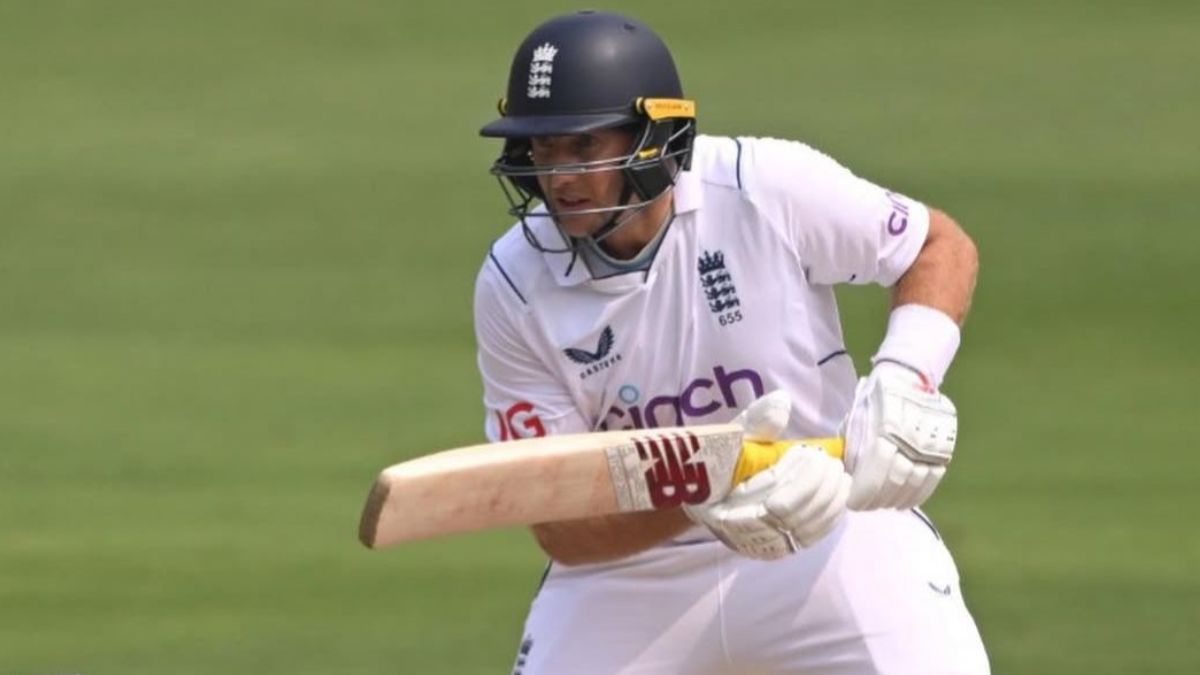
Scoring his 37th Test century at Lord’s, Joe Root reinforced his status among batting’s elite. His 112-run masterpiece against a quality Indian attack featured textbook technique and audacious innovation in equal measure, particularly against the spinners where he deployed reverse-scoops with surgical precision.

Root’s innings broke several records:
- Most centuries vs India: 11 (surpassing Cook’s 10)
- Fastest to 37 Test tons: 195 innings (faster than Tendulkar, Ponting)
- Lord’s average: Now 61.2 from 24 Tests
Particularly impressive was his handling of Jasprit Bumrah’s short-ball barrage. Root swayed, weaved and redirected the ball with wondrous wristwork, compiling 46% of his runs behind square on the off-side – a testament to his late-hand adjustment skills. His eventual dismissal to Washington Sundar’s innocuous delivery was arguably the day’s most surprising moment.
Root’s Technique Breakdown: How He Dominated the Indian Attack
| Bowler Type | Runs | Strike Rate | Key Strengths |
|---|---|---|---|
| Pace (Bumrah/Siraj) | 74 | 58.7 | Late cuts, back-foot punches |
| Spin (Ashwin/Sundar) | 38 | 82.6 | Reverse sweeps, lofted drives |
Comments