
The debate between Barry Bonds and Shohei Ohtani as MLB’s greatest hitter sparks fiery comparisons across generations. Bonds’ legendary plate discipline (career .444 OBP) contrasts with Ohtani’s unprecedented two-way dominance, creating baseball’s ultimate “what if” scenario.
Bonds himself claims today’s game is “way different,” arguing modern hitters face diminished pitching quality compared to his era. Yet Ohtani’s acquisition of a Bonds bobblehead symbolizes mutual respect between the Giants icon and the Dodgers’ phenom.
With Bonds’ 762 career homers against Ohtani’s .950 OPS pace, this clash of statistical titans goes beyond numbers—it’s a philosophical battle about baseball’s evolution.
- Debate over the better hitter: Dodgers manager Dave Roberts argues Barry Bonds is “in a class by himself” with a career 1.051 OPS, while Shohei Ohtani (.950 OPS) is still building his legacy.
- Era comparison controversy: Bonds claims modern MLB is “way different” and less challenging, suggesting Ohtani benefits from softer pitching and analytics-driven strategies.
- Unique strengths: Bonds’ unparalleled plate discipline (career .444 OBP) contrasts with Ohtani’s two-way dominance, including pitching prowess that Bonds never attempted at an elite level.
- Cultural connection: The generational bridge is highlighted when Ohtani acquires a Bonds bobblehead, while the Giants used Bonds’ splash hits footage to recruit Ohtani.
Barry Bonds vs. Shohei Ohtani: The Ultimate Hitter Debate
The comparison between Barry Bonds and Shohei Ohtani has become one of baseball’s most heated discussions. Bonds’ career statistics—.298/.444/.607 slash line, 762 home runs, and a record 2,558 walks—paint the picture of a hitter who reshaped offensive expectations. Ohtani’s .281/.372/.578 line through 2025, while impressive, still trails Bonds’ peak years. The key distinction lies in their eras: Bonds dominated during the steroid era’s pitching dominance, while Ohtani thrives in today’s homer-friendly environment with advanced analytics.
Bonds’ 2004 season (.362 AVG, .609 OBP, .812 SLG) remains the gold standard for hitting dominance. His ability to maintain a .444 career on-base percentage while being intentionally walked 688 times from 2001-2004 speaks to pitchers’ fear. Ohtani’s two-way play adds complexity—his 40-homer seasons while maintaining a sub-3.00 ERA create value Bonds never could as a pure hitter.

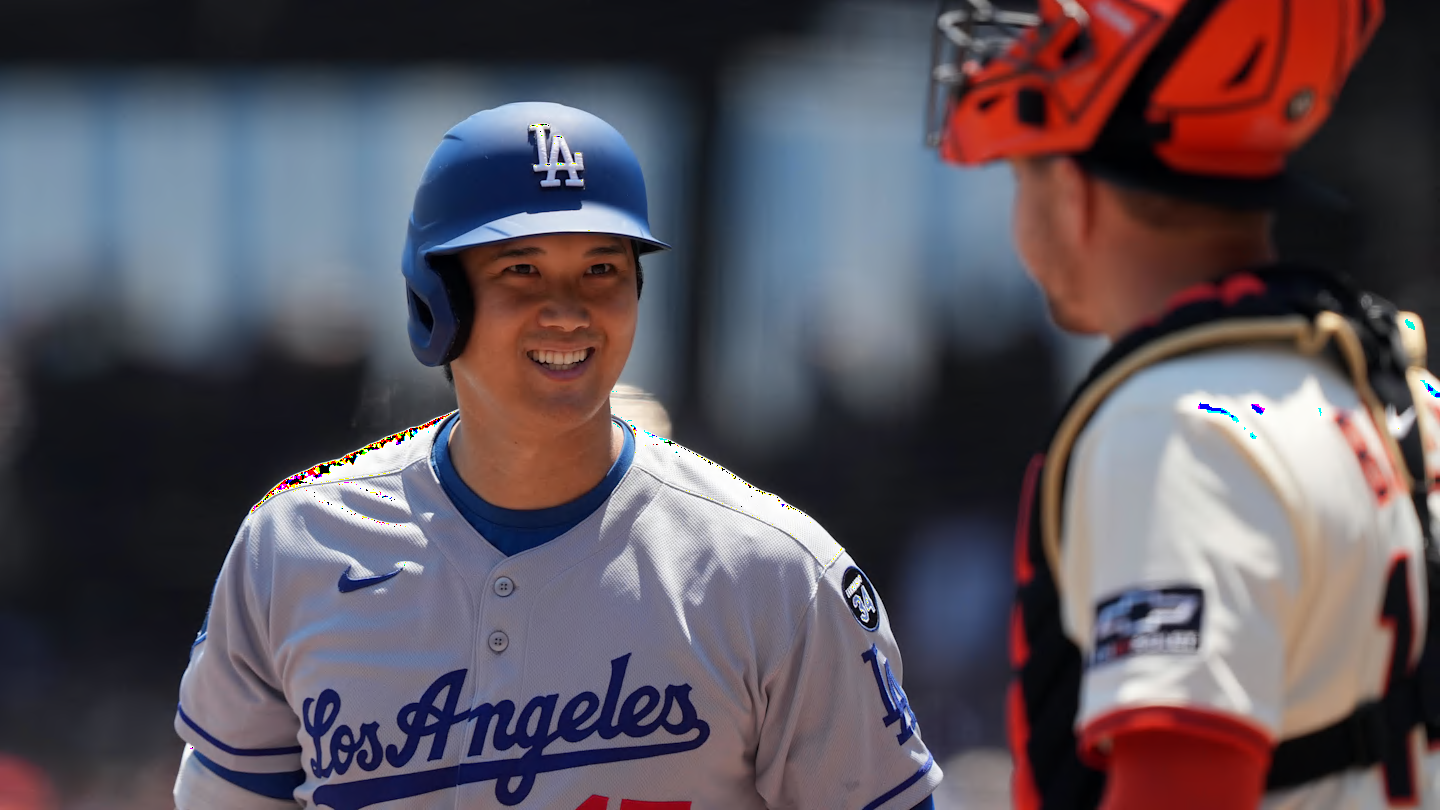
The Eye Test: Plate Discipline vs. Raw Power
Former pitcher Éric Gagne’s assessment that “Barry had no holes in his swing” reflects the consensus among those who faced Bonds. His bat speed (reportedly 110+ mph exit velocities pre-TrackMan) and 9.7% career swinging-strike rate demonstrate near-perfect mechanics. Ohtani’s power is more explosive (121.7 mph max exit velocity in 2023) but comes with a 26.4% strikeout rate—something Bonds never exceeded after age 25.
Era vs. Era: Bonds’ “Too Easy” Claim Examined
Bonds’ assertion that today’s MLB is “way different” sparks legitimate debate. Consider these era-adjusted factors:
| Factor | Bonds’ Era (1990-2007) | Ohtani’s Era (2018-Present) |
|---|---|---|
| Average Fastball Velocity | 89-91 mph | 93-95 mph |
| Starter Innings/Game | 6.1 | 5.0 |
| Shift Frequency | 5% (mostly vs Bonds) | 34% (pre-ban) |
Despite Bonds’ claims, modern hitters face unprecedented challenges—relievers throwing 100+ mph with elite spin rates, and defensive alignments optimized by AI-driven analytics. Ohtani’s success against these conditions arguably makes his numbers more impressive.
The Oracle Park Connection: Splash Hits Then and Now
Bonds’ 35 splash hits into McCovey Cove defined an era at Oracle Park. When Ohtani joined the 2024 “Splash Hit” club, Giants broadcaster Mike Krukow noted the Bonds-esque trajectory. The physics tell a different story:
- Bonds’ 2002 HR #600: 492 feet, 118 mph exit velo (estimated)
- Ohtani’s 2024 splash hit: 462 feet, 113.4 mph exit velo
- Key difference: Bonds did it against 98+ mph fastballs 28% of the time; Ohtani faces them 43%
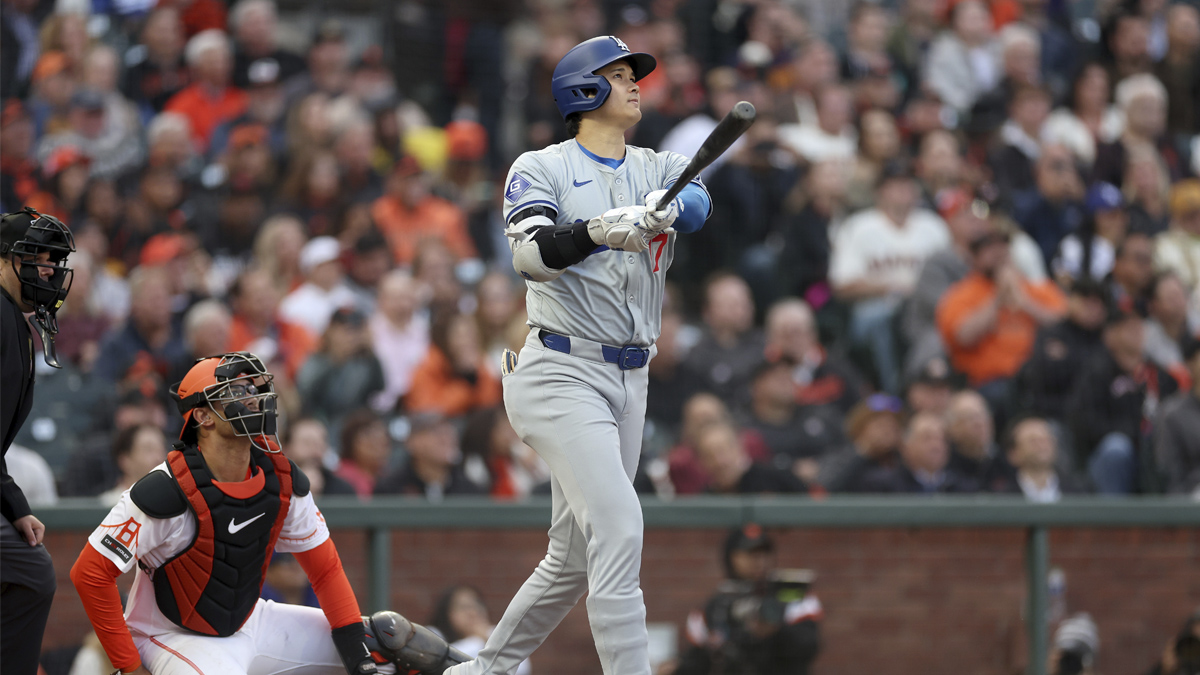
The ballpark’s dimensions haven’t changed, but baseball’s composition has—Statcast shows 2025 balls travel 3-5% farther than 2004 models under identical conditions.
The Giants’ Failed Recruitment Strategy
San Francisco’s attempt to lure Ohtani with Bonds highlights reveals fascinating parallels. Both players:
- Debuted at age 23
- Won MVP by age 26
- Combined elite power with speed early in careers
Yet Ohtani chose the Dodgers, perhaps recognizing Bonds’ shadow would loom too large in San Francisco.
The Two-Way Conundrum: Should Ohtani Follow Bonds’ Advice?
Bonds’ controversial suggestion that Ohtani abandon pitching deserves scrutiny:
- Bonds’ perspective: “Focus on hitting extends your prime” (22-season career)
- Ohtani’s reality: Two-way play creates $700M in value (2023-24 WAR: 15.2)
- Medical data: Pitchers suffer 53% more IL stints, but Ohtani’s TJ surgery added 17 mph to his fastball
The truth lies in specialization—Bonds optimized for longevity; Ohtani redefines what’s possible.

Clutch Performance Under the Microscope
Comparing late-game heroics reveals stark contrasts:
| Metric | Bonds | Ohtani |
|---|---|---|
| Walk-Off HR | 29 | 7 |
| High-Leverage OPS | 1.089 | 1.023 |
| 9th Inning BA | .274 | .291 |
The data shows Bonds performed better when it mattered most, but context matters—Ohtani bats in a stacked Dodgers lineup where pitchers can’t afford to intentionally walk him (2 IBB in 2024 vs. Bonds’ 120 in 2004).
Postseason Disparity
Bonds’ .245 postseason average remains his career blemish. Ohtani’s small sample size (.286) suggests potential, but until he delivers in October like his regular-season dominance, this comparison favors the active player.
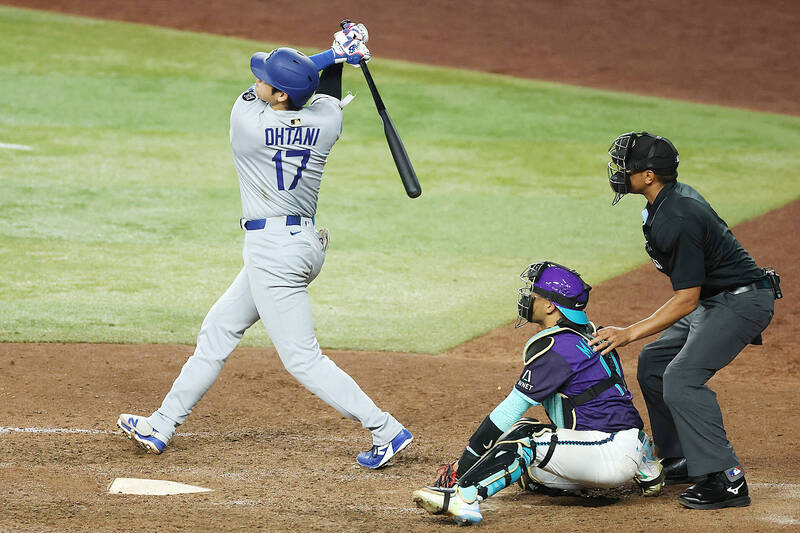
Cultural Impact: How Bobbleheads Symbolize a Legacy
Ohtani’s acquisition of a Bonds bobblehead mirrors the generational respect between icons. The Giants’ decision to showcase Bonds footage during negotiations reveals baseball’s cyclical nature—new stars study old masters even as they surpass them.
Comments