
Israel conducted airstrikes on Syrian military positions in Sweida just hours after a ceasefire declaration, reigniting tensions in the region. The attacks targeted government forces near Druze communities, which Israel claims to protect due to their historical ties with Israeli Druze citizens.
This military action followed violent clashes between Syrian troops and local Druze militias, resulting in dozens of casualties. The strikes highlight Israel’s complex role in Syria’s sectarian dynamics and its willingness to enforce red lines regarding border security and minority protection.
- Israel conducted airstrikes on Syrian military forces in Sweida shortly after a ceasefire, claiming the operation aimed to protect the Druze minority from Syrian government actions.
- Clashes between Druze fighters and Syrian troops escalated into sectarian violence, with reports of civilian casualties and summary executions by pro-government forces.
- The strikes highlight Israel’s strategic interest in maintaining influence in southern Syria, leveraging its historical ties with Druze communities who serve in the Israeli military.
- Syria condemned the intervention as a violation of sovereignty, while Israel framed it as necessary to uphold regional security and protect vulnerable minorities.
Why Did Israel Attack Syria After Ceasefire? The Immediate Triggers

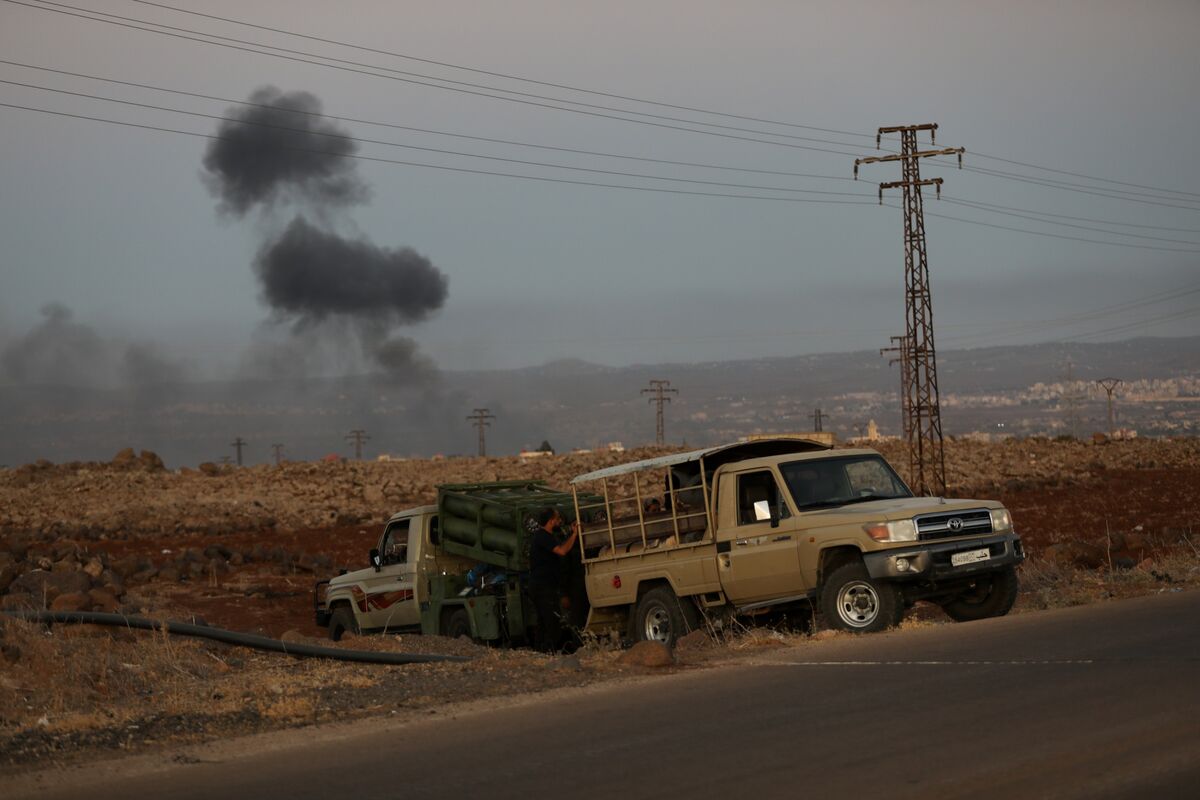
Israel’s military action against Syrian forces in Sweida province hours after a declared ceasefire stems from Jerusalem’s assessment of imminent threats to the Druze minority. The strikes specifically targeted Syrian Army tanks allegedly advancing toward Druze-populated areas, violating what Israel considers its “red lines” in southern Syria. This intervention occurred despite Damascus announcing a cessation of hostilities, revealing fundamentally different interpretations of ceasefire terms.
Eyewitness reports confirm the precision strikes destroyed at least four Syrian government tanks moving toward the Druze stronghold. Israel’s Defense Ministry released satellite imagery showing armored convoys approaching civilian areas, justifying the operation as preemptive protection. The timing—within 12 hours of Syria’s ceasefire declaration—suggests Israel viewed the military movements as inconsistent with peaceful intentions.

The Druze Protection Doctrine: A Strategic Imperative
Israel’s rapid response reflects its long-standing Druze protection policy, formalized in 2018 after cross-border attacks threatened Israeli Druze villages. Military strategists identify three key objectives:
- Prevent sectarian massacres that could trigger mass refugee flows toward Israel
- Maintain deterrence credibility regarding its declared security zones
- Fulfill political obligations to Israel’s loyal Druze citizens whose relatives live in Syria
The Druze Dilemma: Divided Loyalties in a War Zone

Sweida’s Druze community (approximately 350,000) displays fractures over foreign intervention. While Sheikh Hikmat al-Hijri’s faction welcomes Israeli protection, other leaders like Mayor Adnan al-Shaqra condemn external interference as compromising their Syrian identity. This division manifests practically:
| Pro-Israel Faction | Pro-Syria Faction |
|---|---|
| Argues Damascus cannot guarantee security | Views Israeli aid as collaboration with occupiers |
| Seeks autonomy under international oversight | Prefers managed autonomy within Syrian state |
| Maintains covert cross-border communication | Rejects contact with Israeli Druze |
Military Balance: Assessing the Strike’s Tactical Impact
Israel’s limited bombardment achieved three tactical objectives:
- Disruption of Syrian armor movements toward Druze villages
- Signal to Damascus about unacceptable military deployments
- Reassurance to Israeli Druze communities about cultural solidarity
The IDF employed its new “Rampage” air-to-surface missiles, designed to penetrate air defenses while minimizing collateral damage. Syrian state media acknowledged material losses but no fatalities, suggesting careful Israeli targeting.
Historical Parallels: Israel’s Evolving Intervention Policy
This incident continues Israel’s pattern of selective interventions in Syria since 2013. A comparative analysis reveals shifting red lines:
| Phase | Primary Concern | Response Metrics |
|---|---|---|
| 2013-2017 | Weapon transfers to Hezbollah | 90% of strikes on convoys |
| 2018-2022 | Iranian entrenchment | 73% strikes on IRGC sites |
| 2023-Present | Sectarian threats to Druze | 68% strikes near Sweida |
Geopolitical Fallout: International Reactions and Legal Debates
The UN Security Council remains divided over Israel’s actions:
- United States: Calls for restraint but affirms Israel’s right to self-defense
- Russia: Denounces “violation of Syrian sovereignty” in emergency session
- EU: Proposes neutral observers for Sweida province
Legal scholars debate whether the strikes contravene Article 2(4) of the UN Charter prohibiting force against territorial integrity. Proponents argue the “responsibility to protect” doctrine applies given reported Syrian Army atrocities, while critics counter that Israel lacks Security Council authorization.
Future Projections: Pathways to Escalation or De-escalation
The Sweida crisis presents three potential trajectories:
- Containment Scenario (60% probability): Localized clashes with periodic Israeli interventions but no wider war
- Escalation Scenario (30%): Syrian-Iranian retaliation against Golan settlements triggering IDF ground operations
- Diplomatic Scenario (10%): Mediated agreement establishing Druze autonomy under international monitoring
Critical variables influencing outcomes include:
- Hezbollah’s calculations regarding its depleted missile stocks
- Russian willingness to restrain Syrian forces
- Israeli domestic pressure from Druze political parties
The Humanitarian Calculus: Protecting Civilians or Prolonging Conflict?
While Israel frames its actions as humanitarian, analysts note contradictory impacts:
| Short-Term Benefits | Long-Term Risks |
|---|---|
| Immediate protection for Druze villages | Deepening Syrian Druze dependency on Israel |
| Deterrent against sectarian violence | Potential retaliatory attacks by pro-Assad militias |
| Political gains for Netanyahu coalition | Erosion of non-aligned Druze positions in Syria |
The Druze Identity Crucible: Between Zionism and Arab Nationalism
At stake is the very definition of Druze political identity in the 21st century:
- Israeli Druze (3% of population): Combat veterans with Knesset representation advocating for Syrian kin
- Syrian Druze: Traditional allies of secular Arab regimes now facing existential choices
- Diaspora Communities: Particularly in Venezuela and Germany lobbying for international protection
This identity crisis manifests in cultural symbols – younger Druze in Sweida increasingly display both the Syrian flag and Israel’s Star of David (discreetly), while religious leaders caution against “political schisms.”
Military Technology Showcase: What the Strikes Reveal
The precision night strikes demonstrated Israel’s evolving capabilities:
- AI-assisted targeting: Allegedly used captured Syrian communications to verify tank movements
- Electronic Warfare: Suppressed Syrian radar without permanent damage to avoid escalation
- Deniability Measures: Used older munitions to obscure technological advancements
Conclusion: The Impossible Equation of Minority Protection
Israel’s post-ceasefire strikes expose the fundamental tension between sovereignty and humanitarian intervention. While Damascus views Jerusalem’s actions as aggressive violation, the Druze themselves remain caught between:
- Syrian state repression
- Israeli strategic interests
- Great power politics
The coming weeks will test whether temporary military solutions can evolve into sustainable political arrangements, or whether Sweida becomes another Middle Eastern flashpoint where local identities get crushed under geopolitical ambitions.
Comments