
The Senate has narrowly approved President Trump’s $9 billion budget cuts targeting PBS and foreign aid, threatening iconic shows like Sesame Street and vital global health programs. Vice President JD Vance cast the decisive tie-breaking vote, marking a historic shift in federal funding priorities.
Public broadcasting faces existential crisis as PBS prepares legal challenges against the elimination of all Corporation for Public Broadcasting funding. Simultaneously, rural stations and educational programming hang in the balance ahead of Friday’s House deadline for final approval.
- The Senate narrowly approved $9B in budget cuts to PBS and foreign aid programs, with VP Vance breaking a 50-50 tie vote.
- Beloved PBS shows like Sesame Street and Nova face cancellation, as federal funding for the Corporation for Public Broadcasting is entirely eliminated.
- Rural PBS stations and global health initiatives will be hit hardest, with 180 of 350 PBS stations projected to close within 18 months.
- Foreign aid programs saw severe reductions, though PEPFAR funding was partially preserved after GOP negotiations.
- The cuts originated from Elon Musk’s Department of Efficiency, which criticized public media for alleged “ideological bias” in its justification.
Senate Approves Trump’s $9B Cuts Targeting PBS and Foreign Aid Programs
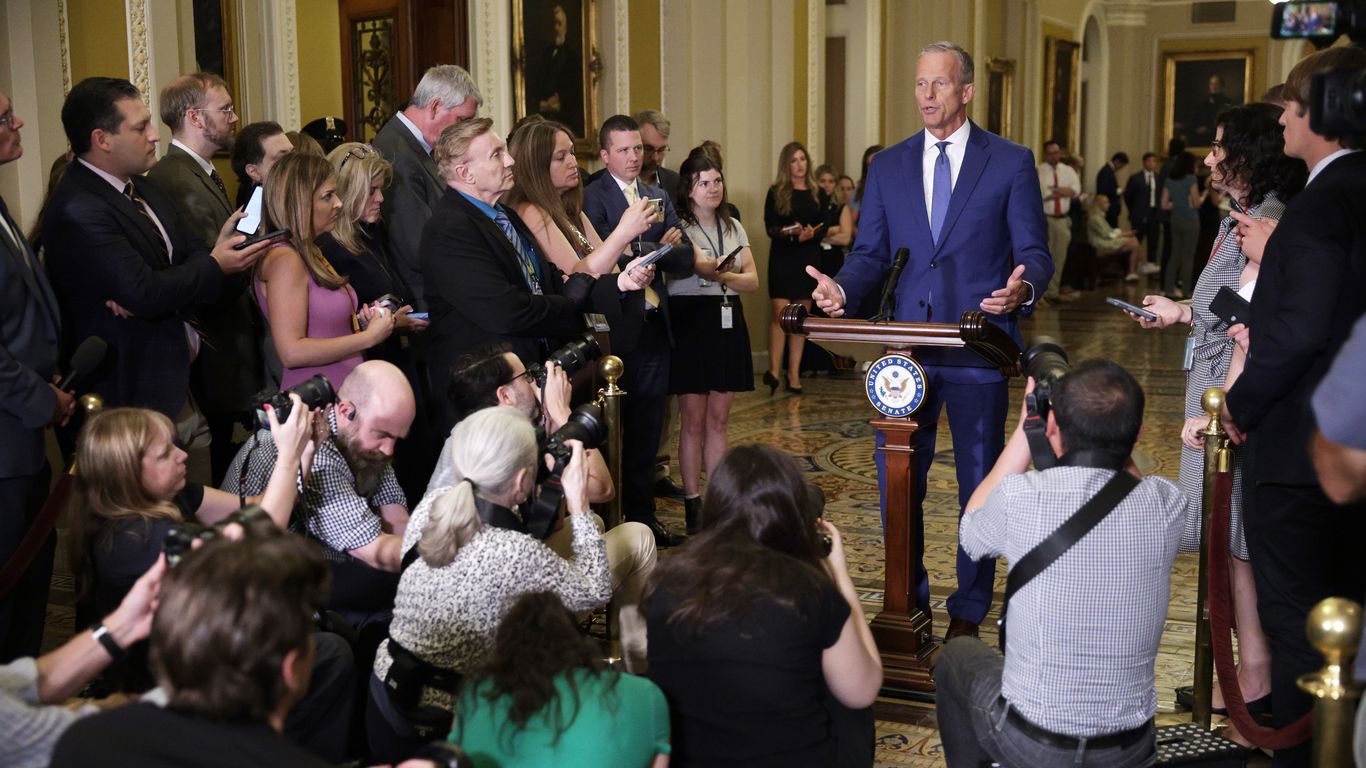
The Senate has narrowly approved President Trump’s controversial $9 billion budget cuts targeting public broadcasting and foreign aid programs through a 50-50 tie-breaking vote by Vice President Vance. This represents one of the most significant reductions in federal support for PBS since its creation in 1967, potentially reshaping American public media forever. The legislation eliminates all federal funding for the Corporation for Public Broadcasting (CPB), which currently distributes approximately $445 million annually to PBS and NPR stations nationwide.
Public broadcasting executives immediately declared plans for legal challenges, arguing that the cuts violate longstanding commitments to educational programming. Meanwhile, international aid programs face parallel reductions, though last-minute negotiations spared some global health initiatives from complete elimination. The House is expected to vote on final approval before Friday’s deadline, with Democratic leaders planning procedural challenges despite slim chances of success.

Which Popular PBS Shows Face Immediate Cancellation?

The funding cuts put several iconic PBS programs at risk of cancellation, including:
- Sesame Street (58% federally funded)
- NOVA (42% funded)
- Masterpiece Theatre (35% funded)
- PBS NewsHour (81% funded for educational versions)
- Mister Rogers’ Neighborhood reruns (40% funded)
Children’s programming faces particularly severe impacts, with 78% of all kids’ shows on PBS receiving some federal support. While some flagship programs may continue through corporate sponsorships, their educational mission and accessibility will likely diminish. Local stations must terminate locally-produced programs first, meaning rural communities will lose hyper-local content before national shows.
How Will NPR Stations Survive Without Federal Funding?
| Station Type | Federal Funding % | Risk Level |
|---|---|---|
| Major Market Flagships | 15-25% | Medium |
| Mid-size Affiliates | 30-45% | High |
| Rural/Educational | 50-70% | Critical |
The funding elimination creates an existential crisis for NPR’s distribution model. While popular programs like Morning Edition and All Things Considered will likely continue in major markets, smaller affiliates serving rural areas may disappear completely. Early estimates suggest at least 180 of 350 NPR member stations could close within 18 months.
Which Foreign Aid Programs Suffered Deepest Cuts?
Most Impacted Global Initiatives:
- Global Vaccination Initiative ($1.2B reduction)
- UN Population Fund (complete elimination)
- Refugee Assistance Programs (63% cut)
- Educational Exchange Programs (85% reduction)
Interestingly, PEPFAR (HIV/AIDS relief) survived relatively intact after health experts warned about catastrophic impacts in Africa. However, climate change adaptation programs saw near-total elimination. The administration framed these cuts as rebalancing priorities toward domestic needs.
Can Local PBS Stations Survive Through Private Funding?
Survival prospects vary dramatically by region. Wealthy urban stations like WNYC or WGBH may sustain operations through major donor networks, but rural stations face near-certain closure. The timing proves particularly devastating as stations recently completed costly digital transitions mandated by the FCC.
The Political Context Behind These Cuts
The rescission package originated from conservative critiques of perceived liberal bias in public media. However, non-partisan studies consistently rate PBS NewsHour as one of America’s most balanced news sources. The timing coincides with streaming fragmentation, allowing critics to argue public media becomes less essential as entertainment options multiply.
Projected Timeline of Impacts
The first closures could begin within 90 days of enactment, though legal challenges may delay implementation. Rural areas will likely feel impacts first:
- 0-30 days: Freezes on new productions
- 30-60 days: Layoffs at local stations
- 60-90 days: First station closures
The Future of Public Media in America
The cuts represent a possible turning point for public broadcasting’s role in American society. While some stations may transition successfully to private models, the era of universally accessible educational programming appears threatened. Congress could reverse course in future budget cycles, but returning cancelled programs might prove impossible.
Comments