
Emil Bove, a former Trump attorney and controversial DOJ official, has ignited a political firestorm with his nomination to the Third Circuit Court of Appeals. Senate Democrats staged a dramatic walkout during Thursday’s Judiciary Committee vote, protesting allegations of ethical misconduct and abuse of power.
Over 900 former DOJ employees and 70 retired judges have condemned Bove’s nomination, citing whistleblower claims he pressured prosecutors to drop cases and defied court orders. The nomination advances despite mounting evidence of Bove’s involvement in Trump’s most contentious legal battles.
- Emil Bove, former Trump lawyer and acting Deputy Attorney General, faces fierce opposition for his Third Circuit Court nomination, sparking a Senate Democratic walkout during the Judiciary Committee vote.
- Over 900 DOJ alumni and 70+ retired judges condemn Bove’s nomination, citing allegations of pressuring prosecutors to drop cases and defying court orders, branding him “supremely unqualified” for a lifetime judicial seat.
- Whistleblower documents reveal Bove allegedly advised immigration officials to ignore court injunctions, including a reported “fuck you” to judicial authority, fueling accusations of contempt for the rule of law.
- Bove’s involvement in January 6-related prosecutor removals and his defense of Trump’s legal battles, including the hush-money trial, heighten concerns about partisan bias in his nomination.
- Republicans advanced Bove’s nomination along party lines, setting up a contentious full Senate vote, while Democrats warn of normalizing extremism in judicial appointments.
Who Is Emil Bove? The Controversial Trump Lawyer Now at Center of Judicial Firestorm
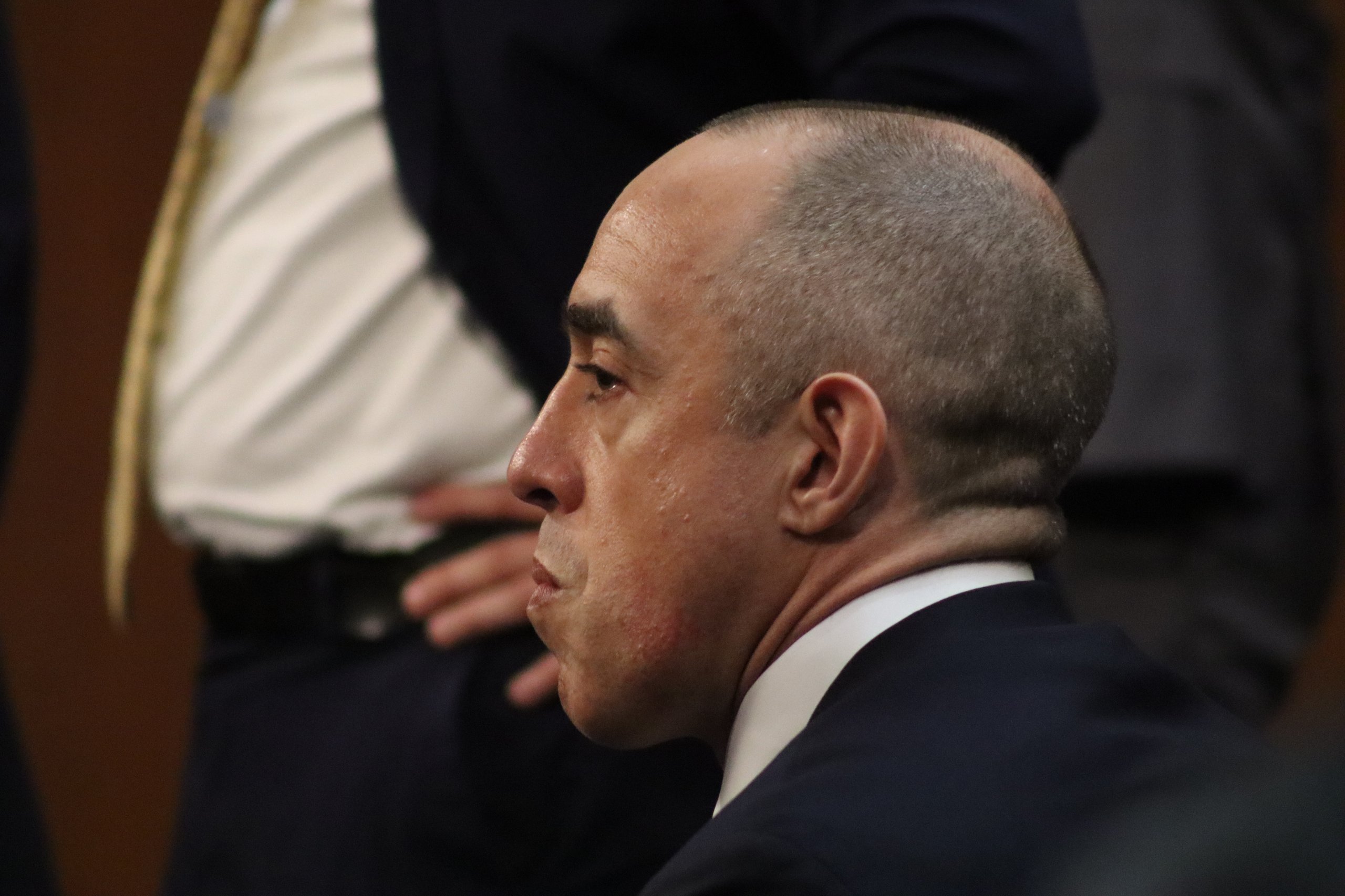
Emil Bove, a former personal attorney for Donald Trump and acting Deputy Attorney General, has emerged as one of the most contentious judicial nominees in recent memory. His nomination to the Third Circuit Court of Appeals sparked a rare Senate Democratic walkout during Thursday’s Judiciary Committee vote, reflecting unprecedented opposition from legal professionals, including over 900 Justice Department alumni and 70 retired federal judges.
Bove’s career trajectory reveals a rapid ascent through Trump’s legal inner circle — from defending the former president in high-profile cases like the hush-money trial to overseeing immigration enforcement strategies as Principal Associate Deputy Attorney General. His nomination continues Trump’s pattern of appointing loyalists to lifetime judicial positions, with critics arguing these selections prioritize ideological alignment over judicial temperament.
Key Career Milestones:
| Period | Role | Controversies |
|---|---|---|
| 2020-2024 | Trump’s Defense Attorney | Represented Trump in multiple criminal and civil cases |
| 2025 | Principal Associate Deputy AG | Allegedly pressured prosecutors to drop cases |
| July 2025 | Third Circuit Nominee | Faced Senate walkout over whistleblower claims |

The Senate Walkout: Why Democrats Refused to Participate in Bove’s Committee Vote

The dramatic July 18 walkout by Senate Democrats wasn’t mere political theater — it followed explosive whistleblower allegations that Bove advised immigration officials to potentially disregard federal court orders. Documents released by former DOJ attorney Erez Reuveni contained disturbing passages where Bove reportedly suggested telling courts “fuck you” to execute mass deportations blocked by judicial injunctions.
The timing proved crucial — with Republicans controlling the committee 11-10 and Sen. Thom Tillis considered the swing vote, Democrats chose protest over participation after accusing Chair Chuck Grassley of suppressing evidence. The move mirrored previous controversial nominations but marked the first full walkout over a circuit court nominee.
Three Critical Allegations Behind the Boycott:
- Advocating defiance of court orders regarding immigration enforcement
- Pressuring career prosecutors to drop cases for political reasons
- Involvement in removing U.S. Attorneys handling January 6 cases
Bove’s Controversial DOJ Tenure: A Pattern of Alleged Ethical Violations

Behind the Senate theatrics lies a more disturbing paper trail — Bove’s 11-month tenure at DOJ reportedly featured repeated clashes with career prosecutors and questionable legal maneuvers. Multiple attorneys came forward describing how Biden holdovers were systematically pushed out, especially those handling sensitive Trump-related cases.
The most damaging claims involve the Eric Adams investigation. According to sworn statements, Bove abruptly terminated prosecutors examining the New York Mayor’s alleged corruption after negotiating ICE enforcement concessions. This apparent quid pro quo with immigration authorities forms part of the documented ethical complaints now before the Senate.
Key Controversies at Justice Department:
| Case | Allegations | Outcome |
|---|---|---|
| Eric Adams Probe | Case dismissal linked to ICE policy changes | Prosecutors forced out |
| January 6 Prosecutions | Called cases “overreach,” oversaw attorney removals | Case delays reported |
| Classified Docs Case | Advised ignoring preservation orders | Case ultimately dismissed |
Republican Calculus: Why GOP Senators Continue Backing Bove
Despite the mounting controversies, Senate Republicans have unified behind Bove’s nomination with surprising discipline. This reflects a calculated political judgment — with the Third Circuit currently balanced 7-6 in favor of GOP appointees, confirming Bove would solidify conservative control over pivotal cases involving election laws, gun regulations, and abortion restrictions.
The strategy mirrors Trump’s broader judicial appointments playbook — nominating relatively young attorneys (Bove is 42) with proven partisan loyalty rather than traditional judicial qualifications. Of Trump’s 234 confirmed judges, over 80% lack significant trial experience, compared to just 33% of Obama’s nominees.
Three Reasons Republicans Won’t Withdraw Support:
- Ideological Reliability — Bove has defended Trump’s most controversial policies in court
- Long-Term Influence — At 42, he could shape law for four decades
- Precedent Setting — Confirming Bove would normalize future controversial nominees
The January 6 Connection: Bove’s Troubling Involvement in DOJ Purges
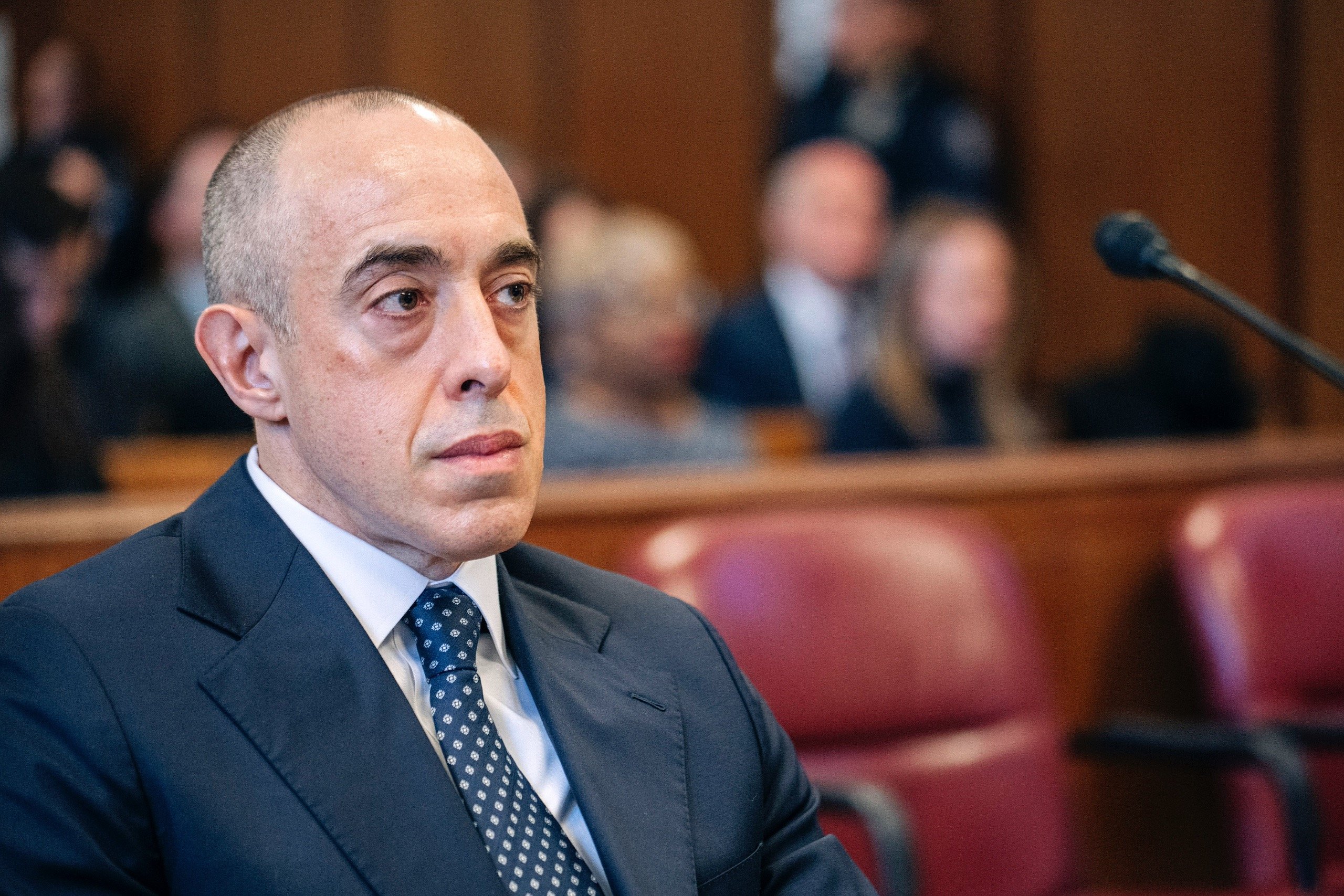
Perhaps the most revealing aspect of Bove’s record involves January 6 cases. While publicly condemning Capitol violence, his Senate questionnaire and internal emails reveal a pattern of dismissing prosecutions as “overreach” — language mirroring Trump’s rhetoric about the rioters. More disturbingly, personnel records show Bove participated in discussions about replacing U.S. Attorneys overseeing January 6 cases just days after Trump’s inauguration.
The timing raises obvious concerns — within weeks of these personnel changes, multiple high-profile January 6 prosecutions were either dropped or substantially narrowed. While Bove claims these were routine transitions, the pattern exclusively affected cases involving Trump allies and far-right groups.
Key Revelations About January 6 Role:
- Called prosecutions “politically motivated” in internal communications
- Reportedly reviewed pending cases with political staff before decisions
- Oversaw hiring freeze that hampered investigation continuity
What Comes Next? The High-Stakes Senate Floor Vote
With the Judiciary Committee vote complete, Bove’s nomination now moves to the full Senate where Republicans hold a 51-49 advantage. Democratic leadership has vowed to force vulnerable Republicans into difficult votes by emphasizing Bove’s most controversial actions, particularly regarding January 6 and immigration directives.
The confirmation battle comes at a fraught political moment — with Trump leading in polls for the GOP nomination, his judicial appointment strategy has renewed significance. Should Republicans maintain unity, Bove would become the youngest judge on the Third Circuit with lifetime tenure to shape critical legal precedents.
Confirmed Third Circuit Impacts:
| Policy Area | Current Balance | With Bove |
|---|---|---|
| Abortion Restrictions | Split decisions | Likely conservative majority |
| Gun Regulations | Narrow progressive wins | Probable reversals |
| Election Laws | Mixed rulings | Stronger conservative tilt |
Comments