Golf analyst Smylie Kaufman sparked fresh debate about how top players handle their trophies after revealing Xander Schauffele’s surprising admission about misplacing his Olympic gold medal.
While most pros display hardware at home or loan it to clubs, Schauffele takes an unconventional approach—storing trophies in a bank vault and genuinely forgetting where his Tokyo 2020 prize resides. “It’s the ultimate champion’s flex,” Kaufman joked, highlighting golf’s evolving relationship with physical accolades.
The discussion reveals a generational shift where Olympic glory may now rival—or surpass—traditional majors in prestige, with young stars prioritizing competition over memorabilia.
- Xander Schauffele admits he has “no idea” where his Olympic gold medal is, revealing most trophies are stored by his parents—likely in a bank vault—while the medal remains misplaced.
- Smylie Kaufman humorously suggests Schauffele’s approach is “4D chess” by forgetting trophies exist, contrasting with most golfers who display or loan their hardware.
- The Olympic champion prioritizes competition over memorabilia, noting he’s “not forgetful” but simply uninterested in physical reminders of wins, except for a framed rookie scorecard of 82 that his wife displays.
Smylie Kaufman Reveals Why Xander Schauffele’s Missing Olympic Gold Medal Highlights Golfers’ Surprising Trophy Habits
The Mystery of Xander Schauffele’s Lost Olympic Gold Medal

When Olympic champion Xander Schauffele recently admitted he has “no idea” where his Tokyo 2020 gold medal is stored, it sent shockwaves through the golf community. The revelation came during an interview where Schauffele explained that most of his trophies are scattered between his parents’ house and a bank vault – except for the Olympic gold, which remains mysteriously unaccounted for.
Fellow pro golfer Smylie Kaufman offered his trademark humorous perspective on the situation: “Most guys either display trophies at home or loan them to clubs – Xander’s just playing 4D chess by forgetting they exist.” This lighthearted commentary nonetheless highlights a surprising trend among elite golfers where physical trophies often take a backseat to competitive drive.
Schauffele’s approach reveals an athlete deeply focused on the present moment rather than dwelling on past achievements. His Olympic gold medal represents the pinnacle of athletic accomplishment, yet its physical location remains unimportant to him – a mindset that has both fascinated and baffled fans.
Why Elite Athletes Disconnect From Their Trophies
- Maintains competitive hunger by focusing on future goals
- Prevents complacency that can come from celebrating past successes
- Aligns with the process-oriented mindset of top performers
- Reduces pressure of defending past victories

The Surprisingly Common Trophy Habits of Golf Pros
Schauffele’s case is far from unique in professional golf. Many top players share this pragmatic approach to trophy management:
| Player | Trophy Storage | Notable Exception |
|---|---|---|
| Xander Schauffele | Parents’ house/bank vault | Olympic gold missing |
| Tiger Woods | Home office/display cases | Masters trophies prominently displayed |
| Rory McIlroy | Clubhouse displays | Favorite putters kept at home |
The Claret Jug presents a unique case – winners receive the original trophy for just one year before returning it for a replica. This tradition means even golf’s most historic prize spends most of its time in storage rather than with its champions, further reinforcing the transient nature of physical trophies in the sport.
Smylie Kaufman’s Controversial Take: Olympic Gold vs. Major Championships
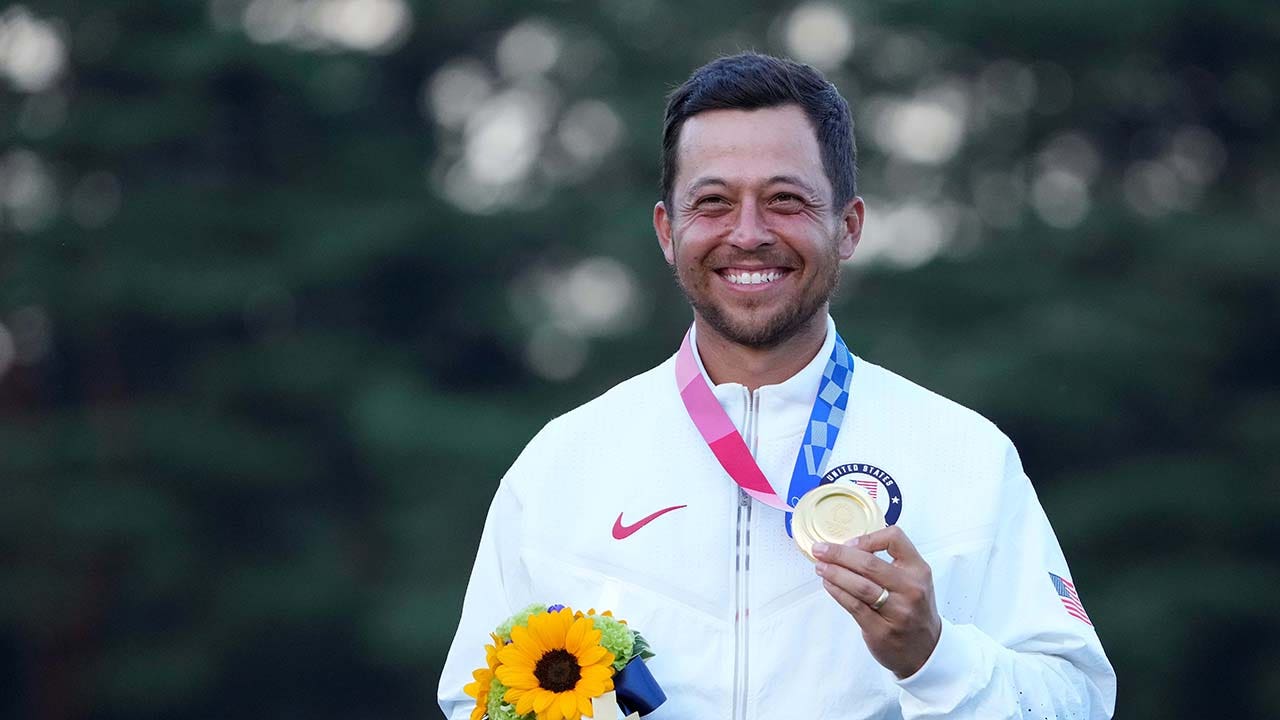
Kaufman stirred debate in the golf world by suggesting Olympic gold has surpassed traditional majors in prestige for today’s players. “When Xander won Tokyo, it changed everything,” Kaufman stated. “Young players now see representing their country as the ultimate honor” – a perspective that challenges golf’s traditional hierarchy of achievements.
This viewpoint reflects golf’s evolving relationship with the Olympics since its return in 2016. Consider these seismic shifts:
- Previously indifferent players now prioritize Olympic qualification
- National team dynamics creating new rivalries and alliances
- Olympic medals becoming key metrics in player legacies
- Increased media focus on Olympic golf coverage
The debate rages on whether this Olympic shift represents progress or threatens golf’s traditions. Some purists argue majors should remain the undisputed pinnacle, while progressives celebrate the sport’s broader appeal through Olympic competition.
The Psychology Behind Trophy Indifference
Schauffele’s nonchalance about his Olympic medal spotlights fascinating psychological dynamics among elite athletes:
Why Champions Forget Their Trophies
Goal displacement theory explains how top performers immediately shift focus to the next challenge after achieving success. The trophy represents closure rather than celebration. Schauffele’s missing gold medal perfectly illustrates this principle – the achievement matters, not the object.
Present-moment focus serves as another key factor. Champions train themselves to stay grounded in the now, making physical reminders of past glories potentially distracting. This aligns with Schauffele’s admission that he’s “not forgetful but simply uninterested” in maintaining souvenirs of victories.
The psychological benefits of this approach include:
- Sustained motivation for future competitions
- Reduced emotional attachment to past successes
- Clearer focus on current performance
- Decreased performance anxiety
Could the Missing Medal Resurface in Paris 2024?
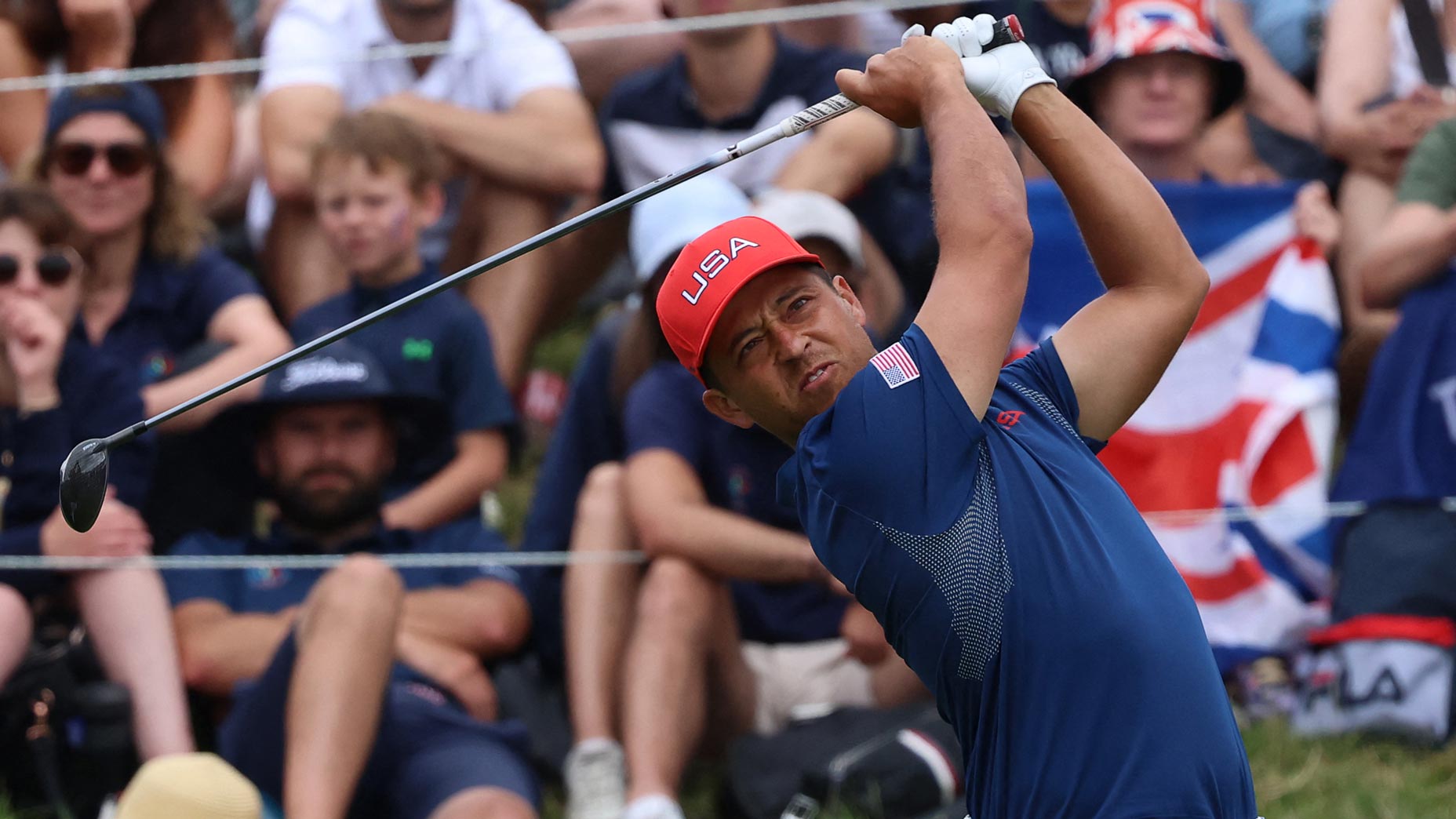
As Schauffele prepares to defend his Olympic title in Paris, the mystery of his missing Tokyo gold has become a fascinating subplot. Theories abound about its possible whereabouts:
- Buried in a safety deposit box under his parents’ names
- Accidentally packed away with old scorecards
- Repurposed as an unconventional ball marker
- On loan to a junior golf program without his knowledge
The medal’s disappearance adds intrigue to Schauffele’s quest for a historic back-to-back gold medal performance. Should he succeed in Paris, golf would witness its first repeat Olympic champion – assuming he remembers where he puts the second medal.
This situation raises important questions about sports memorabilia preservation. While players like Schauffele focus on performance, institutions and fans value the tangible connections to historic moments. The tension between these perspectives continues to shape how we celebrate athletic achievement.
Comments