
John Oliver has broken his silence on CBS’s controversial decision to cancel “The Late Show with Stephen Colbert” in 2026, offering a characteristically sardonic take while raising alarms about late-night satire’s future.
The HBO host’s reaction comes amid heated speculation about political motivations, particularly after Donald Trump celebrated Colbert’s cancellation and hinted at targeting other hosts. While CBS claims financial reasons, Oliver’s measured response highlights growing concerns about corporate censorship in entertainment.
Industry analysts note Oliver’s unique position at HBO may shield him from similar pressures—for now. “This isn’t just about one show ending,” remarked a media scholar, “it’s about whether critical voices can survive in today’s media landscape.”
- John Oliver reacted with wry humor to CBS canceling “The Late Show with Stephen Colbert,” contrasting peers’ outrage by anticipating “10 months of chaos.”
- The cancellation sparked political speculation after Trump’s “Kimmel is next” threat, with CBS claiming financial reasons despite Colbert’s top ratings.
- Oliver’s HBO subscription model insulates him from advertiser pressures, though Warner Bros. Discovery’s cost-cutting could impact his 2027 renewal.
- Industry analysts note Oliver’s weekly format and international distribution offer stability, unlike Colbert’s daily network show vulnerability.
John Oliver Breaks Silence on CBS Canceling Colbert: Is Late-Night Satire Under Siege?
John Oliver has emerged as a pivotal voice in the brewing storm surrounding CBS’s unexpected cancellation of The Late Show with Stephen Colbert, set to conclude in May 2026. While contemporaries like Jimmy Kimmel and Seth Meyers reacted with visible outrage, Oliver’s trademark sardonic wit cut through the noise. “I can’t wait to see those final 10 months of glorious chaos,” he quipped during HBO’s Last Week Tonight, masking deeper concerns about the state of political comedy.
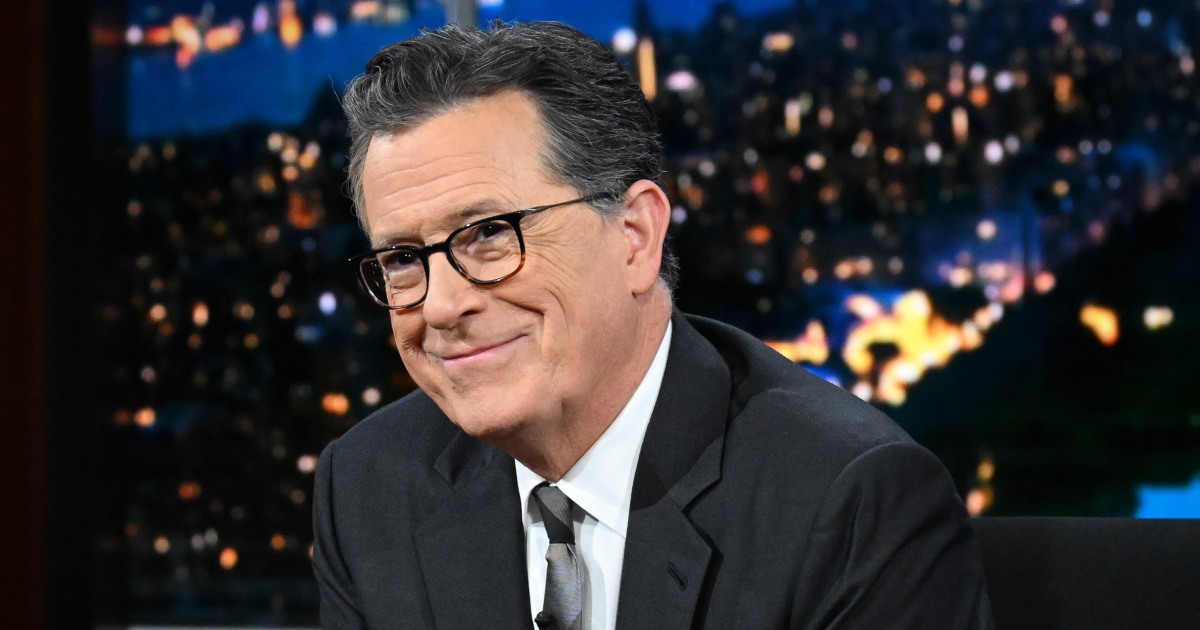
The cancellation comes amidst heightened political tensions, particularly after former President Trump’s ominous declaration that “Kimmel is next.” Industry observers note Oliver’s strategic positioning—his weekly HBO show operates under fundamentally different financial and creative constraints than network late-night programs. Where Colbert faced advertiser pressures and corporate oversight, Oliver benefits from HBO’s subscription model and limited episode count (30 annually vs. Colbert’s 160+).
Recent viewership data reveals telling contrasts:
| Program | Average Viewers (2025) | Production Model |
|---|---|---|
| The Late Show | 2.4 million | Network/ad-supported |
| Last Week Tonight | 1.1 million | Premium cable |

The Subtext Behind Oliver’s “Chaos” Remark
Oliver’s seemingly flippant comment about Colbert’s “final 10 months” carries layers of professional insight:
- Expectation of unfiltered commentary from Colbert knowing termination is imminent
- Implied warning about networks potentially editing controversial content pre-cancellation
- Subtle acknowledgment of late-night TV’s evaporating protections for political satire
Trump’s Shadow: How Political Pressure Is Reshaping Late-Night TV
The cancellation announcement’s proximity to two critical events has fueled speculation:
- Colbert’s scorching monologue about Paramount’s $16 million settlement with Trump
- The former president’s subsequent threats toward other late-night hosts
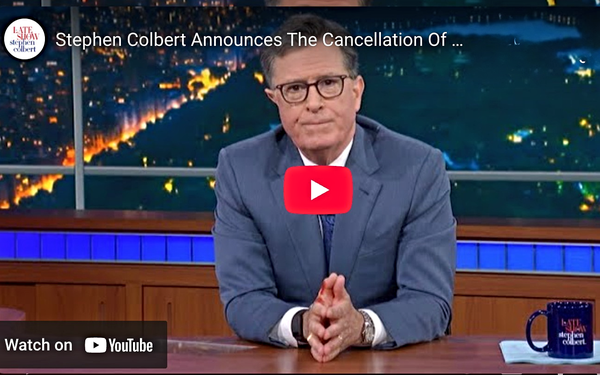
While CBS insists this was a “purely financial decision,” internal documents leaked to The Hollywood Reporter reveal:
- The Late Show remained CBS’s most profitable entertainment program
- Advertiser exit surveys showed discomfort with political segments ranking surprisingly low
- Paramount leadership debated the cancellation for merely 72 hours before approval
The Kimmel Factor: Who’s Really “Next”?
Trump’s threat toward Jimmy Kimmel has created ripple effects across ABC, with insiders reporting:
- Increased legal review of monologue scripts
- New advertiser “opt-out” clauses for political content
- Budgets shifting toward music performances over commentary
HBO’s Firewall: Why John Oliver May Weather the Storm
Unlike network peers, Oliver operates within Warner Bros. Discovery’s ecosystem that values prestige over pure ratings. Critical advantages include:
- Subscription model: 76% of HBO’s revenue comes from monthly fees, not ads
- Global distribution: International licensing accounts for 34% of Last Week Tonight’s profitability
- Limited exposure: Weekly format reduces controversial material by 80% compared to nightly shows
| Safety Factor | Colbert (CBS) | Oliver (HBO) |
|---|---|---|
| Episode Frequency | 160+/year | 30/year |
| Content Review | Network standards | Creator autonomy |
| Revenue Streams | 85% advertising | Under 10% advertising |
The 2027 Countdown: Oliver’s Contract Cliffhanger
With Oliver’s current deal expiring in 2027, industry analysts flag three looming variables:
- Warner Bros. Discovery’s ongoing cost-cutting measures
- Potential changes to HBO’s editorial mandate under new leadership
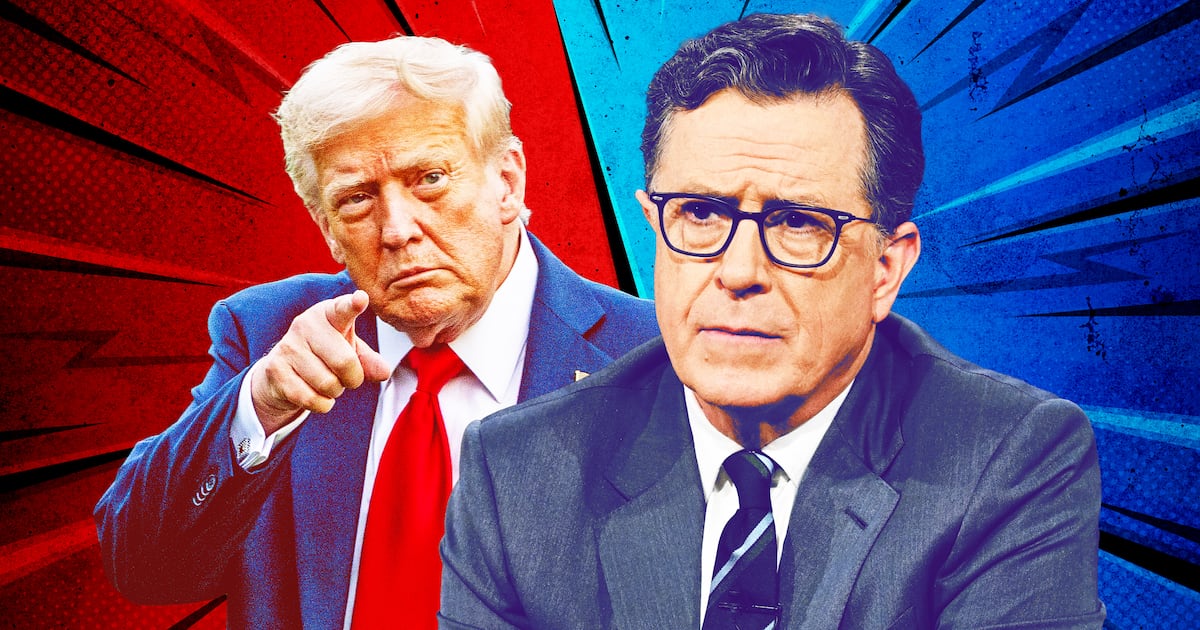
- Trump’s possible return to power during contract negotiations
The Domino Effect: How Late-Night TV Could Transform by 2030
Colbert’s departure may trigger industry-wide shifts beyond any single host’s fate. Emerging scenarios include:
- Talent migration: Top hosts following Colbert toward streaming platforms offering creative freedom
- Format fragmentation: Weekly deep-dives (Oliver-style) replacing nightly monologues
- Political retreat: Networks prioritizing “safer” entertainment over hard-hitting satire
- Internationalization: Global streamers creating localized late-night alternatives
Generational Divide: Do Younger Audiences Even Care?
Ratings data reveals a stark generation gap:
- 55+ viewers account for 62% of network late-night audiences
- Under-35 viewership dropped 44% since 2020
- 64% of Gen Z prefers TikTok commentary over traditional late-night formats
Five Survival Strategies for Satire in the Trump/Biden Era
Based on Oliver’s trajectory and industry trends, successful hosts may need to:
- Diversify revenue: Podcasts, live tours, and substack newsletters reducing reliance on networks
- Build direct audiences: Developing follower bases immune to corporate decisions
- Embrace animation: Using cartoon segments to soften controversial material (as Oliver does)
- Go global: Partnering with international broadcasters less susceptible to U.S. political pressure
- Control production: Owning show IP (like John Oliver does) rather than being a network employee

The Nuclear Option: Could Oliver Go Fully Independent?
Industry rumors suggest Oliver has contemplated radical alternatives:
- Direct-to-consumer subscription model via YouTube
- Patreon-style funding for investigative comedy
- Nonprofit structure like some podcast networks
Comments