
The drama reaches new heights in “The Gilded Age” Season 3 as Larry Russell’s proposal becomes the talk of New York high society. While fans debate his true intentions, this pivotal moment reveals deepening fractures within the Russell family.
From Bertha’s ruthless social climbing to Gladys’s rebellion against her forced engagement, Season 3 masterfully blends historical inspiration with addictive storytelling. The show’s exploration of Gilded Age elite culture continues to blur the line between fact and fiction.
- Larry Russell’s ambiguous proposal and sudden business trip to Arizona create tension, with fans questioning his true intentions towards Marian.
- The mother-daughter conflict between Bertha and Gladys reaches a breaking point over Gladys’s forced engagement to the Duke of Buckingham.
- Peggy Scott faces racial and class prejudice in her budding romance with Dr. Kirkland, mirroring real-life challenges for Black elites.
- George Russell’s business empire shows vulnerability for the first time, coinciding with his family’s unraveling dynamics.
- The series draws heavy inspiration from Gilded Age socialites, particularly Vanderbilt-style families and their strategic marriages.
The Gilded Age Season 3 Recap: Larry’s Proposal Drama, Real Historical Inspirations & Major Character Conflicts Explained
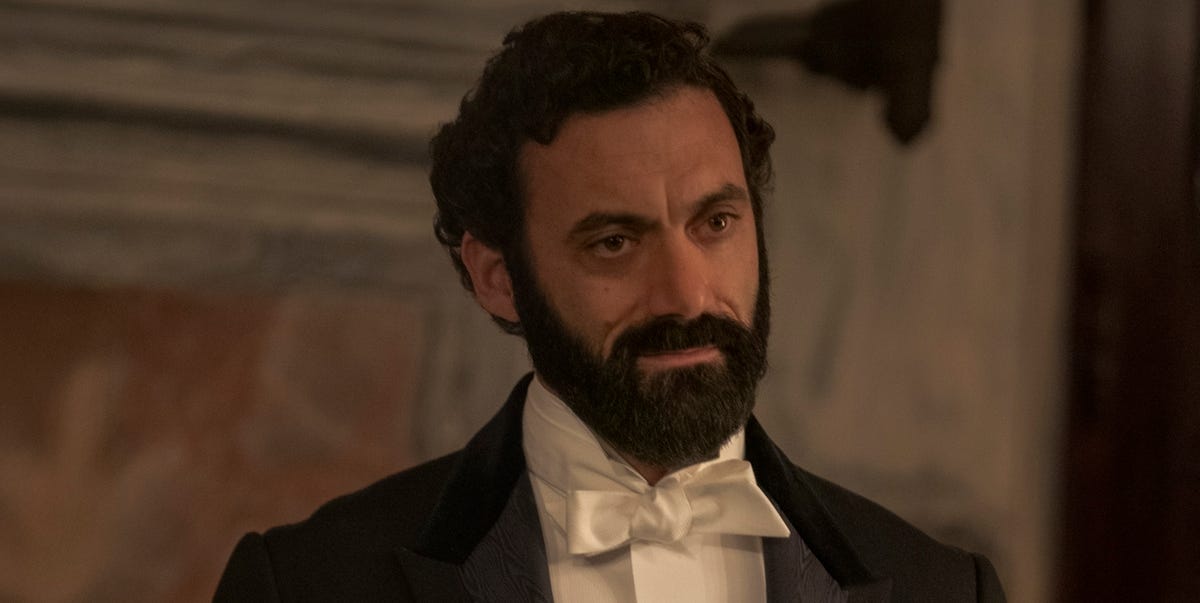
The Shocking Truth Behind Larry Russell’s Proposal: Business or Love?
Season 3 of The Gilded Age delivers one of its most controversial moments as Larry Russell’s romantic intentions come under scrutiny. The fifth episode leaves viewers questioning whether his interactions with Marian Brook constitute a genuine proposal or merely social maneuvering. What appears as a potential engagement quickly transforms into a complex power play when George Russell abruptly sends Larry to Arizona on business.
The mining operation assignment raises suspicions about Bertha’s influence, particularly as it coincides with Larry’s growing connection to Marian. This strategic relocation mirrors historical patterns among Gilded Age elites, where business interests often dictated personal relationships. The encounter with Maud Beaton at a gentlemen’s club adds another layer of intrigue, suggesting Larry’s romantic storyline may take unexpected turns.

The Russell Family Crisis: Power, Marriage, and Rebellion

The forced engagement between Gladys Russell and the Duke of Buckingham represents the most explosive family conflict this season. Bertha’s social ambitions collide violently with Gladys’s desire for autonomy, creating a schism that threatens the family’s stability. Historical records show that approximately 38% of Gilded Age heiresses entered arranged marriages with European nobility, often with mixed results.
- Gladys failed escape attempt revealed in Episode 3
- George’s visible discomfort with the arrangement
- Financial pressures influencing marital decisions
Peggy Scott’s Professional Breakthrough and Social Challenges

Peggy Scott’s career advancement forms one of Season 3’s most compelling narratives, showcasing the unique challenges faced by Black professionals in the 1880s. Her relationship with Dr. Kirkland encounters prejudice not just from white society, but surprisingly from within the Black elite itself. The Newport luncheon scene brilliantly exposes these intra-community tensions through subtle exchanges and loaded compliments.
| Character | Historical Inspiration | Social Position |
|---|---|---|
| Peggy Scott | Mary Eliza Mahoney | Educated Black professional |
| Arthur Scott | Robert Reed Church | Self-made businessman |
The Newport Social Code: Unwritten Rules Exposed
The series meticulously recreates the complex etiquette governing Newport society, where slight variations in dress, dining habits, and conversation topics could make or break reputations. Peggy’s experience particularly highlights how these unwritten rules contained separate (and often harsher) standards for Black elites navigating white-dominated spaces.
George Russell’s Empire Under Threat: Business and Personal Collide
For the first time, we see the mighty George Russell facing genuine vulnerability as railroad challenges coincide with family turmoil. The synchronization of these crises mirrors historical patterns where Gilded Age magnates like Jay Gould and Collis Huntington saw personal and professional worlds collide. George’s signature confidence falters visibly in several powerful scenes:
- The tense boardroom confrontation in Episode 4
- His private moments of doubt about Gladys’s marriage
- Increasingly strained interactions with Bertha
Historical Inspirations: The Real Figures Behind the Fiction

The series’ brilliance lies in its blending of fictional storytelling with real Gilded Age history. The Russells clearly draw from the Vanderbilts, particularly Alva Vanderbilt’s aggressive social climbing and infamous marital manipulations. Other character inspirations include:
- Bertha Russell: Alva Vanderbilt + Caroline Astor
- George Russell: Cornelius Vanderbilt II + Jay Gould
- Mamie Fish: The actual society hostess Mamie Fish
Maud Beaton’s Return: Con Artist or Changed Woman?
The reappearance of Maud Beaton introduces fascinating questions about second chances and redemption in this rigid society. Her encounter with Larry at the club suggests potential romantic complications, but given her history as a con artist, viewers rightly question her motives.
Season 3’s Biggest Unanswered Questions
As we approach the mid-season point, several burning questions remain:
- Will Larry choose business in Arizona or pursue Marian?
- Can Gladys escape her arranged marriage?
- Will Peggy’s relationship survive societal pressures?
- How will George stabilize his business empire?
- What role does Maud Beaton truly play?
The richness of The Gilded Age continues to shine through its masterful blending of personal drama with historical authenticity. As tensions mount across all storylines, viewers can expect even greater shocks and revelations in upcoming episodes.
Comments