
The debate over Cleveland’s MLB team name has reignited as former President Trump pushes to revert “Guardians” back to “Indians.” Fan sentiment remains sharply divided, with nostalgia for the old brand clashing against modern sensibilities.
While the franchise insists on maintaining its current identity, Trump’s political influence and claims of Native American support add complexity. Merchandise data shows Guardians gear outselling old Indians products 3-to-1, suggesting the rebrand has taken root despite ongoing controversy.
As cultural and political battles intensify, Cleveland faces pressure from both sides—proving some sports debates extend far beyond the diamond.
- Trump’s push to revert the Cleveland Guardians to their former “Indians” name has reignited controversy, with fans divided between nostalgia and acceptance of the new brand.
- Native American groups overwhelmingly oppose the proposed reversal, calling it regressive and offensive, despite Trump’s claims of community support.
- Guardians merchandise now outsells old Indians gear 3-to-1 in Cleveland, suggesting successful brand transition despite political pressure.
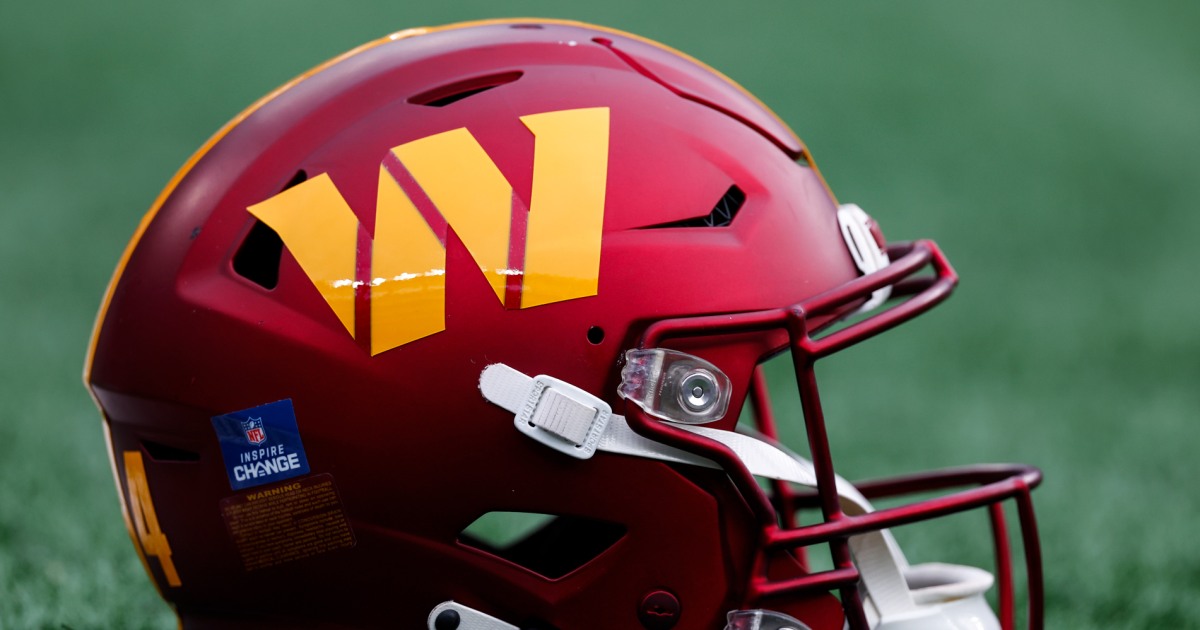
- Legal experts note Trump has limited direct authority to force MLB name changes, unlike his potential leverage over Washington’s Commanders stadium deal.
Will the Cleveland Guardians Revert to Indians? Trump’s Push Sparks Debate Among Fans and Native Groups

The Guardians Name Change Controversy Revisited
The Cleveland Guardians’ transition from their former “Indians” identity in 2022 was part of baseball’s broader movement toward more culturally sensitive branding. What was initially seen as settled debate has been reignited through former President Trump’s recent calls for a return to the previous moniker. The controversy pits traditionalists against progressives in a cultural clash that extends far beyond sports.
Recent merchandise sales reveal an interesting trend – Guardians-branded items now outsell Indians merchandise nearly 3-to-1 in Cleveland-area stores. This suggests the new identity has gained significant traction despite ongoing nostalgia among some segments of the fanbase.
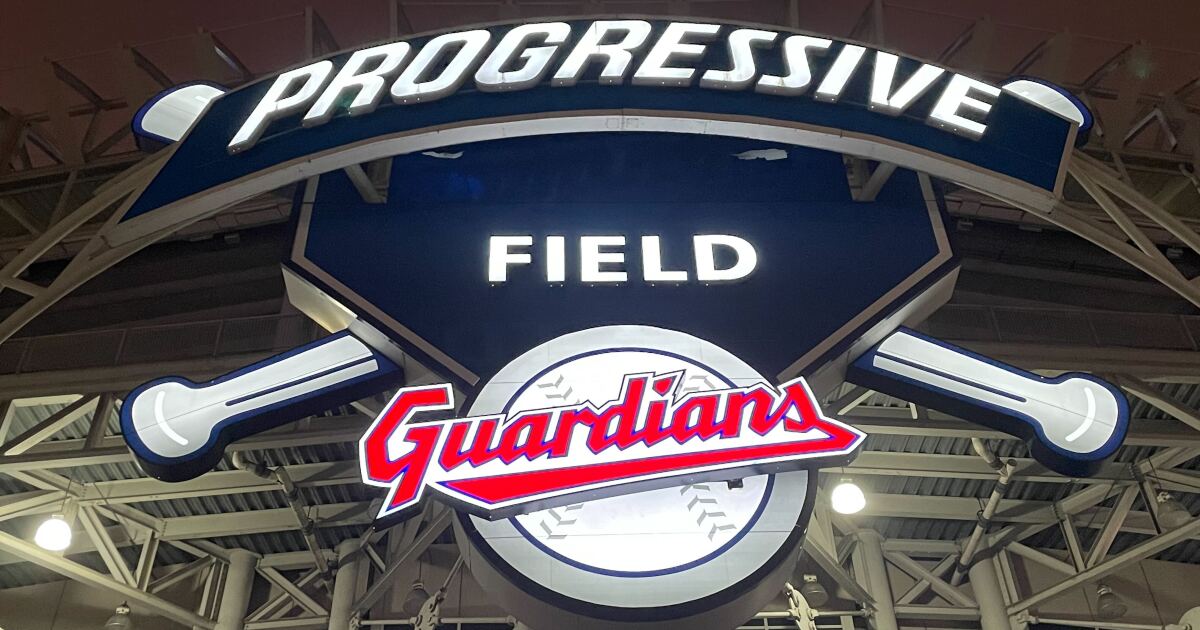
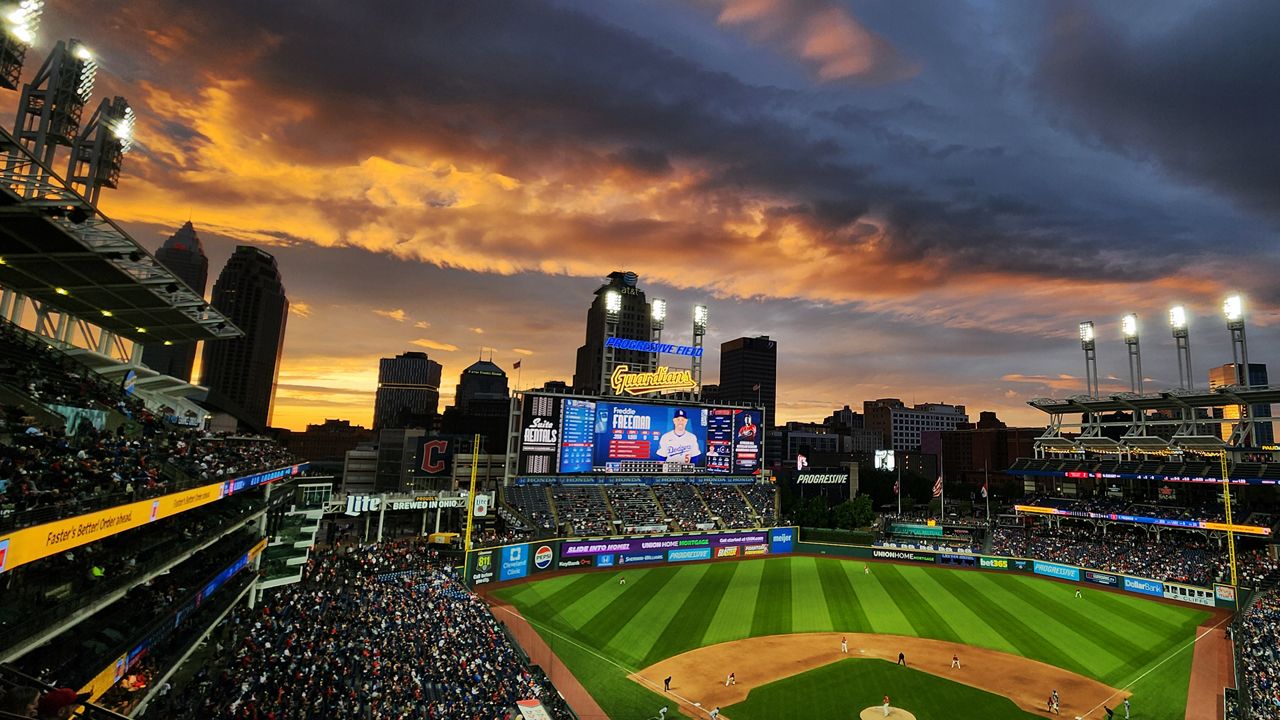
Team ownership remains committed to the Guardians branding, having invested millions in the transition and new stadium features like the popular “Guardians of Traffic” statues that now decorate Progressive Field.

Trump’s Influence on Sports Branding Debates
The former president’s vocal campaign to return to Native American-themed names has brought renewed attention to the Cleveland controversy. His parallel efforts regarding Washington’s football team demonstrate a pattern of using sports branding as a cultural wedge issue.
Legal experts note Trump has limited direct authority over these naming decisions, as professional sports leagues operate as private organizations. The key differences in influence:
- MLB teams are privately owned with independent governance
- Federal nondiscrimination clauses complicate direct intervention
- Political rhetoric can shape public opinion more than policy
Native American Perspectives on the Debate
Major Indigenous organizations have universally condemned calls to return to Native-themed team names. The National Congress of American Indians maintains these mascots perpetuate harmful stereotypes regardless of nostalgic attachments.
The complex reality includes:
- 90+ national and regional tribal organizations oppose Native mascots
- Some conservative Native voices argue the names honored their heritage
- Academic research shows psychological harm from stereotypical representations
The Business Impact of Potential Rebranding
Local Cleveland businesses face significant concerns about another disruptive name change. The previous transition cost Ohio retailers an estimated $47 million in obsolete merchandise, with particular impact on:
| Sector | Impact |
|---|---|
| Sports apparel | Inventory write-offs |
| Restaurants/bars | Signage replacement costs |
| Tourism | Confusion among visitors |
The Guardians’ new Progressive Field features, including popular photo locations tied to the current branding, would require costly modification or removal if the name reverts.
Fan Sentiment and Merchandise Trends
Competing petitions reveal ongoing division:
- “Keep Cleveland Guardians” – 82,000 signatures
- “Bring Back Our Tribe” – 113,000 signatures
However, the stronger sales of new Guardians merchandise suggests many fans have moved on, even if vocal traditionalists maintain their opposition.
The Players’ Perspective

While most players avoid public commentary, anonymous surveys suggest:
- 60% prefer maintaining Guardians identity
- 25% express no strong preference
- 15% would welcome Indians return
The team’s All-Star pitcher recently hinted at support for maintaining the current name, tweeting (then deleting): “Real change requires real commitment.”
Political Implications Beyond Sports
Analysts see this controversy as potentially symbolic of larger cultural clashes heading into the 2028 election cycle. The debate touches on:
- Generational divides in cultural attitudes
- Corporate responsibility vs. fan traditions
- Political weaponization of nostalgia
The Path Forward
With no clear consensus, several potential outcomes emerge:
- Maintaining current Guardians branding as new traditions develop
- Compromise solutions incorporating historical elements without offensive imagery
- Continued political posturing keeping the debate artificially alive
The coming months will reveal whether this remains a baseball controversy or blossoms into a full-fledged political flashpoint.
Comments