
A Southwest Airlines flight narrowly avoided a catastrophic mid-air collision with a private fighter jet near Burbank Airport, forcing an emergency dive that injured two crew members. The harrowing incident involving Flight 1496 has reignited concerns about airspace safety as the FAA investigates the alarming close call.
Passengers described sudden weightlessness and chaos as the Boeing 737 plunged nearly 500 feet to evade the oncoming Hawker Hunter jet. This marks the fourth military-civilian near-miss in U.S. airspace this year, highlighting growing tensions between commercial and private aviation operations.
- Southwest Airlines Flight 1496 executed a rapid 500-foot descent to avoid a near-collision with a private Hawker Hunter jet near Burbank, injuring two flight attendants.
- The FAA confirmed the aircraft came within 2 miles horizontally and 500 feet vertically, triggering emergency TCAS alerts and a violent 12-second plunge.
- This marks the 4th military-civilian near-miss in 2025, part of a 210% increase since 2020, with Southern California accounting for 38% of incidents.
- Legal experts suggest potential airline liability hinges on the crew’s 7-second response delay to TCAS warnings during the evasive maneuver.
- The FAA is proposing new transponder mandates and AI conflict prediction systems to address growing airspace safety concerns.
Southwest Airlines Flight 1496 Near-Collision: Fighter Jet Scare Over Burbank Injures Crew as FAA Probes Close Call
Heart-Stopping Mid-Air Drama Over Los Angeles
A routine Southwest Airlines flight turned into a nightmare scenario when Flight 1496 was forced into a violent evasive maneuver to avoid colliding with a private fighter jet near Burbank Airport. The Boeing 737, carrying 143 passengers, plunged nearly 500 feet within seconds after its collision avoidance system detected the approaching Hawker Hunter aircraft. Terrified passengers reported experiencing what felt like “a rollercoaster drop,” with unsecured items and even people being thrown upward during the sudden descent.
The Federal Aviation Administration confirmed two flight attendants sustained back injuries from impacting overhead compartments, while several passengers suffered bruises from being tossed about the cabin. This incident marks the fourth military-civilian near-miss in U.S. airspace this year, raising serious questions about air traffic control protocols.

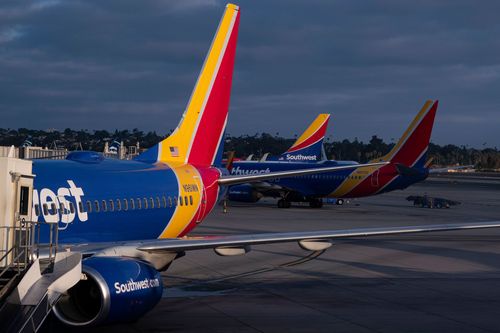
The 20 Seconds That Could Have Been Catastrophic
Radar data reveals the Hawker Hunter crossed just 1.8 miles ahead of Southwest Flight 1496 at the same altitude of 14,000 feet. Aviation experts analyzing the flight path note the vertical separation shrank to a mere 500 feet – well below the 1,000-foot minimum required by FAA regulations. The Boeing 737’s Traffic Collision Avoidance System (TCAS) triggered alarms in both aircraft simultaneously, prompting the Southwest pilots to initiate a 4.5° nose-down emergency descent.
Passenger accounts describe hearing “screaming electronic alarms” followed by the aircraft suddenly dropping. The steep descent lasted approximately 12 seconds, during which the aircraft lost 475 feet of altitude at a rate exceeding 2,300 feet per minute – nearly double normal descent rates. Unsecured beverage carts overturned, sending drinks splattering across cabin ceilings.
Physics Behind the Terrifying Plunge
The rapid descent created temporary negative G-forces reaching -0.8G, equivalent to the feeling of temporary weightlessness at the top of a rollercoaster drop. This explains why passengers and crew not wearing seatbelts were launched upward with enough force to hit overhead compartments. The aircraft’s quick thinking crew managed to stabilize the plane within 20 seconds, preventing potential structural damage from the violent maneuver.
Mystery Surrounding the Hawker Hunter Jet
Investigators identified the near-collision aircraft as a privately owned 1950s-era Hawker Hunter (registration N335AX) operated by Hunter Aviation International. Flight plans show the vintage military jet departed Van Nuys Airport just 23 minutes before the incident, heading toward a military training zone near Catalina Island. Unlike commercial airliners, these privately operated ex-military aircraft aren’t always required to maintain active transponders – a regulatory loophole the FAA has been attempting to close since 2023.
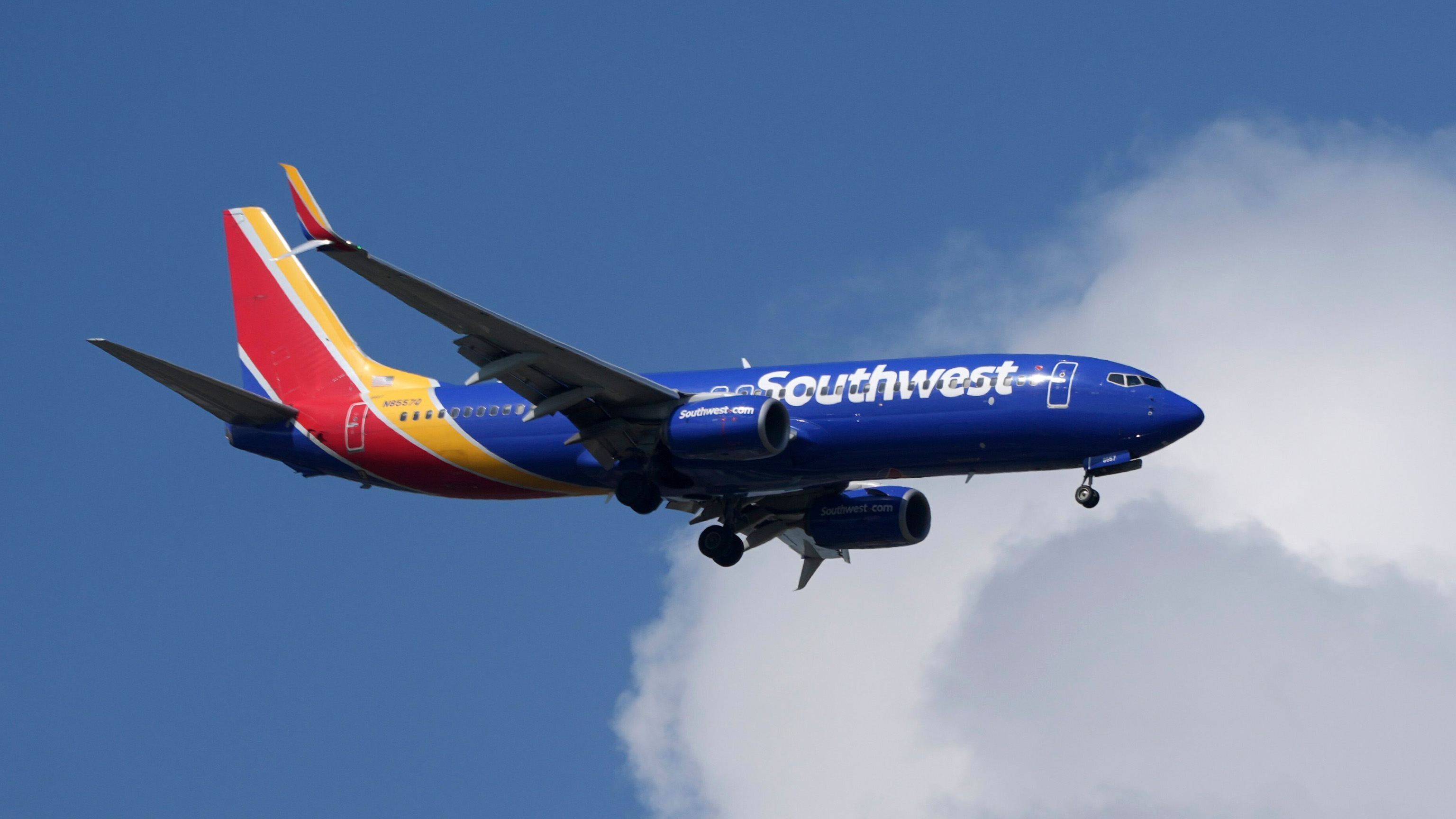
Aviation records reveal this particular Hawker Hunter has been used for military contract training and airshow performances, frequently operating near commercial flight paths. The FAA disclosed the pilot was in radio contact with air traffic control but hadn’t activated certain collision avoidance systems mandatory for commercial aircraft.
Alarming Trend in Near-Miss Incidents
| Year | Near-Miss Incidents | Most Common Military Aircraft |
|---|---|---|
| 2025 | 4 (to date) | Hawker Hunter, T-38 Talons |
| 2024 | 17 | F-16, F/A-18, T-6 Texan |
| 2023 | 23 | Blue Angels, A-10, CV-22 |
The NTSB reports a disturbing 210% increase in military-civilian near-misses since 2020, with Southern California accounting for over a third of these dangerous encounters. These incidents frequently occur near Special Use Airspace – designated zones where military aircraft conduct training exercises. The March 2025 near-collision between a Delta airliner and Air Force helicopters near Washington D.C. prompted emergency restrictions around Pentagon airspace.
Experts attribute the surge to multiple factors:
- Increased military training flights post-pandemic
- Growth in private ownership of ex-military jets
- Commercial air traffic returning to pre-COVID levels
- Outdated air traffic control technology
Legal Fallout and Passenger Rights
Injury claims from the Flight 1496 incident could total millions, with aviation attorneys noting two potential avenues for lawsuits:
- Against Southwest Airlines: Claims may focus on whether the crew’s 7-second delay in reacting to TCAS warnings constituted negligence. Past cases suggest settlements between $15,000-$500,000 per injured passenger.
- Against the Hawker Hunter operator: The private pilot and aircraft owner could face liability for allegedly failing to maintain proper separation and equipment standards.
The 1996 ValuJet settlement established precedent for aviation near-miss cases, with courts typically awarding higher damages when injuries result from extreme maneuvers rather than turbulence. However, plaintiffs must prove the airline’s actions were unreasonable given the circumstances.
FAA’s Proposed Safety Measures
In response to growing concerns, the FAA has announced several initiatives to prevent future incidents:
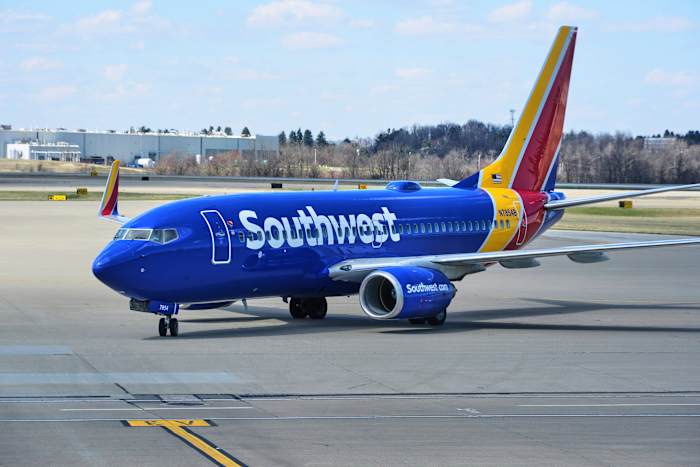
- Expanded Transponder Mandate: Requiring all aircraft above 5,000 feet to maintain active transponders regardless of aircraft type
- AI Conflict Prediction: Testing new machine learning systems at Los Angeles ARTCC to anticipate potential conflicts up to 10 minutes in advance
- Stricter Penalties: Increasing fines for unauthorized incursions into Class B airspace from $1,100 to $27,500 minimum
- Military-Civilian Coordination: Implementing real-time data sharing between military training zones and civilian air traffic control
These changes come amid criticism that current systems haven’t kept pace with the dramatic increase in unconventional aircraft sharing commercial airspace, from private jets to experimental aircraft and drone operations.
The Human Toll of Near-Miss Events
Beyond the physical injuries, passengers and crew from Flight 1496 report lasting psychological impacts:
- Multiple passengers undergoing treatment for newly developed fear of flying
- Flight attendants experiencing sleep disturbances and anxiety about returning to work
- Reports of children on board requiring counseling for trauma

The FAA has initiated counseling services for affected crew members, while Southwest Airlines offered all passengers full refunds plus $500 travel vouchers. However, several passengers have declined, stating they won’t be flying again anytime soon.
Looking Ahead: The Future of Airspace Safety
Industry analysts predict significant changes coming to U.S. aviation regulations following this incident:
- Mandatory TCAS Equivalency: Requiring all aircraft sharing commercial airspace to have collision avoidance systems meeting commercial standards
- Altitude Restrictions: Potentially limiting certain classes of aircraft from operating at typical commercial cruise altitudes
- Increased Surveillance: Deploying space-based ADS-B tracking to supplement ground radar systems
- Pilot Training: New requirements for private military-style aircraft operators regarding commercial airspace procedures
The FAA expects to complete its investigation into the Southwest Flight 1496 incident within 9-12 months, though preliminary findings should be released within 60 days. Until then, aviation safety advocates urge travelers to remember that despite alarming headlines, commercial aviation remains the safest form of transportation – with fatal accidents occurring less than once per 5 million flights.
Comments