
Julian Brown, the 21-year-old inventor behind groundbreaking plastic-to-fuel technology Plastoline, has vanished under mysterious circumstances, fueling global speculation. Last seen on July 3rd after posting cryptic warnings about being “under attack,” Brown’s disappearance coincides with reported black helicopter sightings near his Atlanta workshop.
As the #WheresJulianBrown movement gains momentum, authorities remain silent while conspiracy theories swirl around whether his revolutionary waste-to-fuel invention made him a target. The young genius’s microwave pyrolysis system, capable of converting plastic waste into diesel, threatened to disrupt multiple billion-dollar industries.
- Julian Brown, the 21-year-old inventor behind Plastoline’s plastic-to-fuel technology, disappeared on July 3, 2025, after posting cryptic messages about being “under attack.”
- Eyewitnesses reported black helicopters near his Atlanta workshop, fueling speculation about corporate or governmental interference in his groundbreaking microwave pyrolysis system.
- His technology could convert waste plastic into diesel with 85% efficiency, potentially displacing $28B in petrochemical industry profits.
- Online campaigns like #WheresJulianBrown demand answers while authorities remain silent about investigation progress.
- Underground networks continue developing his technology, despite raids confiscating equipment under safety pretexts.
Inventor Julian Brown Missing: The Shocking Disappearance of the Plastic-to-Fuel Pioneer Behind Plastoline

The Mysterious Vanishing of a Young Genius
Julian “JAB” Brown, the 21-year-old inventor behind Plastoline’s revolutionary plastic-to-fuel technology, disappeared on July 3, 2025, leaving behind cryptic messages about being “under attack.” His last known location was his Norcross, Georgia workshop where he perfected a microwave pyrolysis system that converts waste plastic into diesel fuel at unprecedented efficiency rates.
Eyewitness accounts report unusual activity in the days preceding his disappearance, including black helicopters circling his neighborhood and unmarked vehicles surveilling his lab. Local authorities have remained tight-lipped, fueling speculation about potential foul play. What makes Brown’s case particularly alarming is the pattern of similar disappearances among alternative energy innovators throughout history.

Plastoline Technology: A Threat to Billion-Dollar Industries?
Brown’s system demonstrated remarkable capabilities in viral TikTok demonstrations, showing how his reactor could process 5 lbs of plastic waste into 1 liter of diesel fuel using microwave-assisted pyrolysis. The process involves:
- Shredded plastic heated to 400°C in oxygen-free chambers
- Precise microwave frequencies breaking polymer chains
- Vapor condensation into clean fuel fractions
- 85% conversion efficiency with minimal byproducts
Industry analysts estimate this technology could disrupt multiple sectors simultaneously:
| Sector | Potential Impact | Market Value at Risk |
|---|---|---|
| Petrochemical | Plastic production decline | $28 billion annually |
| Waste Management | Landfill operations reduction | $15 billion annually |
| Oil Refining | Diesel displacement | $120 billion annually |
The Pentagon Connection
Defense Department interest adds another layer of complexity. DARPA’s $17 million budget allocation for similar waste-to-energy systems in 2022 suggests potential military applications. Some speculate Brown’s open-source approach may have conflicted with classified programs.
[figure class=”wp-block-image size-large is-style-default”>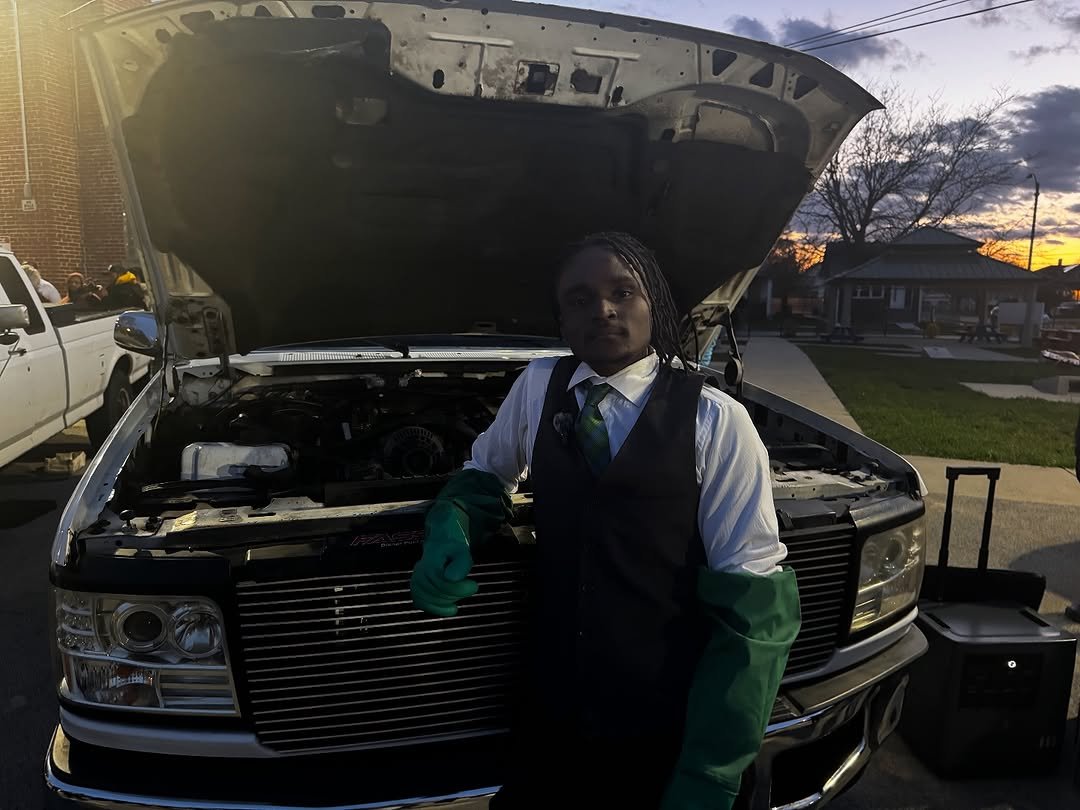
Conspiracy Theories vs. Possible Explanations
The internet has exploded with theories about Brown’s disappearance:
- Corporate sabotage: Allegations that oil companies eliminated a disruptive competitor
- Government intervention: Speculation about national security concerns over the technology
- Voluntary disappearance: Theories that Brown went underground to protect his invention
- Mental health crisis: Suggestions that pressure led to breakdown
Disturbing Patterns in Alternative Energy
Historical context reveals alarming parallels. Since the 1970s, at least 12 inventors working on free energy or waste conversion systems have died under suspicious circumstances or vanished. Canadian inventor Jean-Pierre Trouvet disappeared in 2018 after demonstrating a water-powered engine prototype.
Global Movements Keeping the Technology Alive
Despite Brown’s disappearance, his work continues through underground networks. The Plastoline collective has reportedly:
- Established 17 workshops across three continents
- Distributed open-source blueprints to 4,000+ activists
- Produced over 50,000 liters of fuel from waste plastic
Authorities have raided several Plastoline locations, citing safety concerns, while supporters argue these actions represent suppression of environmental innovation.
Decoding Brown’s Final Messages
His last social media posts contained multiple potential clues:
- Binary code translating to an obscure radio frequency
- Discreet hand signals matching maritime distress codes
- Strategic book placements suggesting pre-planned messages
- 47 editing revisions to final video (versus typical 2-3)

What Comes Next in the Investigation?
As public pressure mounts, key developments include:
- FOIA requests filed for military aircraft movement records
- Congressional inquiries into energy technology suppression
- International petitions demanding transparency
- Planned protests at petrochemical company headquarters
Forensic analysis continues on Brown’s digital footprint, while the Plastoline movement grows exponentially, ensuring his revolutionary technology won’t disappear even if its creator remains missing.
Comments
List of comments (1)
[…] s heats plastic in an oxygen‑free chamber to about 400 °C. It breaks down polymer chains and condenses vapor into fuel. Julian claimed over 80 % conversion efficiency. He powered his setup using solar panels on his property ヒャッカログ. […]