
In a historic diplomatic shift, Saudi Arabia is leading an unprecedented Arab coalition demanding Hamas’ disarmament, challenging the group’s authority in Gaza for the first time. The Kingdom’s bold stance signals a potential realignment in Middle East politics, raising critical questions about Palestine’s political future.
This coordinated pressure comes as international efforts intensify for a two-state solution, with Riyadh strategically isolating Hamas while pushing for post-war governance reforms. The development sparks global speculation: could this Arab unity pave the way for long-delayed Palestinian elections?
- Saudi Arabia leads unprecedented Arab coalition demanding Hamas disarmament, marking a historic shift in regional politics toward Palestinian governance reform.
- France’s recognition of Palestine in September 2025 triggers diplomatic momentum, with Saudi Arabia pushing international partners toward concrete two-state solution steps.
- UK Prime Minister Keir Starmer faces pressure from 200 MPs to follow France’s recognition, contingent on Hamas disarmament and ceasefire implementation.
- Speculation grows about UN-supervised Palestinian elections in 2026 as Arab states seek alternatives to Hamas rule in Gaza.
Saudi Arabia Leads Arab Coalition Demanding Hamas Disarmament
In a significant diplomatic shift, Saudi Arabia has spearheaded unprecedented regional pressure on Hamas, demanding its complete disarmament. This marks the first time Arab nations have collectively challenged Hamas’ authority in Gaza, signaling a potential realignment in Middle Eastern politics. The Saudi-led initiative represents a dramatic departure from historical Arab support for Palestinian militant groups, particularly given Riyadh’s traditional role as a champion of the Palestinian cause.
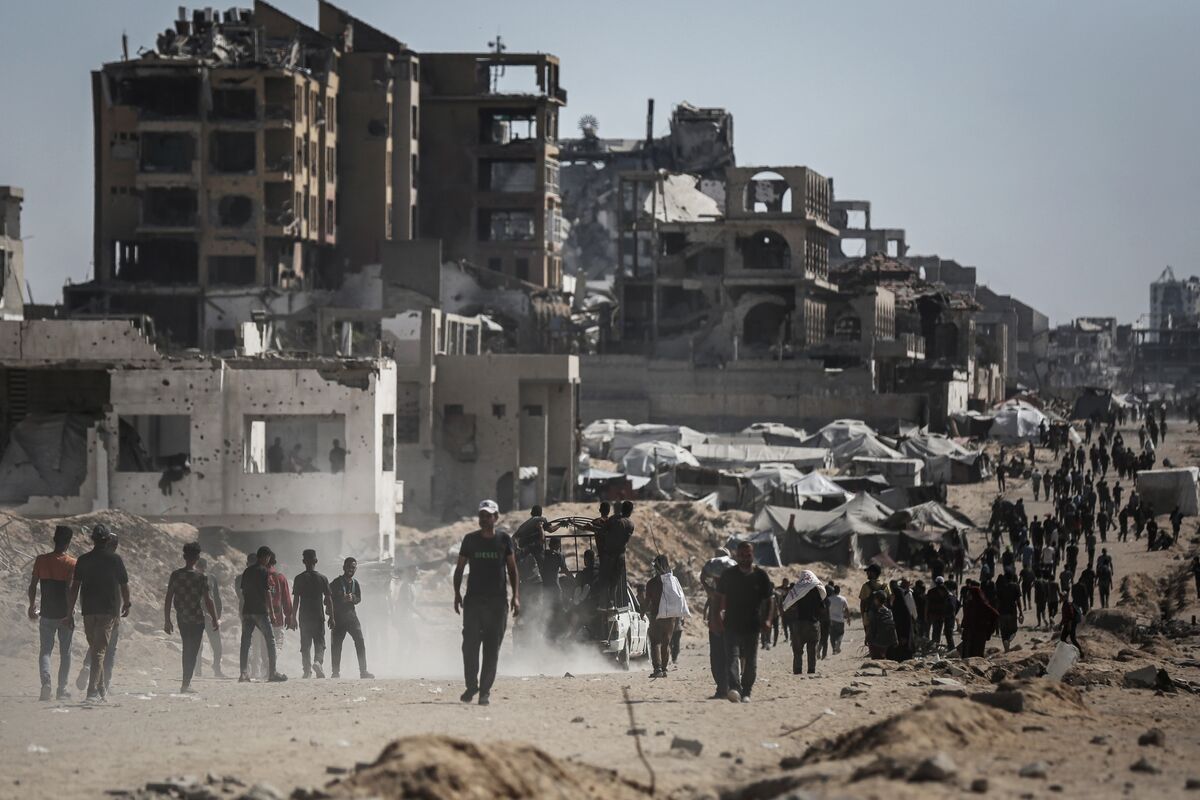
The Saudi Foreign Ministry publicly stated its position aligns with broader international efforts to establish sustainable peace through a two-state solution. This new stance comes amid worsening humanitarian conditions in Gaza, with over 56,000 Palestinian casualties reported since October 2023. The move strategically isolates Hamas while fueling debates about post-war governance structures in Palestinian territories.

Saudi Arabia’s position has drawn mixed reactions across the Arab world:
- Egypt and Jordan have expressed cautious support
- Qatar maintains more ambiguous positioning
- Iran has condemned the initiative as “betrayal”
- UAE officials quietly endorse the Saudi approach

Diplomatic Earthquake at the UN
The July 28-29 UN conference co-chaired by Saudi Arabia and France became the stage for this dramatic policy shift. Arab states collectively pressured Hamas for the first time, with traditionally sympathetic nations like Qatar joining the chorus. The unified front suggests Riyadh may have secured quiet assurances from Washington regarding Israeli concessions.
Key outcomes from the UN meeting included:
| Proposal | Potential Impact |
|---|---|
| Hamas disarmament timeline | 90-day deadline with verification mechanisms |
| Transitional authority | PA reforms with international oversight |
France’s Palestine Recognition Triggered Regional Ripple Effect
France’s September 2025 decision to formally recognize Palestine created unexpected diplomatic momentum that Saudi Arabia skillfully leveraged. The Saudi strategy appears to involve using European recognition as cover for more controversial regional demands regarding Hamas. While Britain hesitates, over 200 UK MPs pressure Prime Minister Starmer to follow France’s lead.

The French move represents more than symbolic gesture politics:
- Opens pathways for Palestinian governance reconstruction
- Provides legal framework for transitional authorities
- Enables direct EU funding mechanisms
- Strengthens international standing of moderate factions
Post-Hamas Gaza: Will Palestinian Elections Become Reality in 2026?
With Arab states demanding Hamas’ removal from power, speculation intensifies about potential Palestinian elections. The last legislative elections occurred in 2006, resulting in Hamas’ Gaza takeover. Experts suggest Saudi Arabia may advocate for electoral reforms including:
- International monitoring of election security
- UN-supervised voter registration
- Campaign finance transparency mechanisms
- PA institutional reforms
However, significant obstacles remain:
| Challenge | Potential Solution |
|---|---|
| Security concerns | Multinational peacekeeping force |
| Political polarization | Power-sharing transitional government |
Community Reactions Reflect Deep Divides
Public commentary reveals profound skepticism about the Saudi initiative:
- Some view it as cynical geopolitical maneuvering
- Others see possible path to peace through renewed legitimacy
- Many question who would replace Hamas leadership
- Concerns persist about potential power vacuum
Saudi Arabia’s Calculated Shift: Balancing Ideals and Interests
Riyadh’s new stance reflects pragmatic reassessment of regional priorities. The Kingdom appears focused on strategic objectives while maintaining rhetorical support for Palestinians:
| Priority | Strategic Rationale |
|---|---|
| Countering Iranian influence | Undermining Hamas-Iran axis |
| Normalizing Israel relations | Securing US defense agreements |

The UK’s Conditional Palestine Recognition: Catalyst or Obstacle?
Britain’s potential September recognition of Palestine – contingent on Hamas disarmament – adds complexity. Prime Minister Starmer’s conditions include:
- Verifiable ceasefire implementation
- Complete hostage release
- Freeze on West Bank annexation
- International monitoring mechanisms
This conditional approach has drawn criticism from multiple quarters:
- Progressives argue it imposes unrealistic preconditions
- Conservatives claim it rewards terrorism
- Diplomats worry about sequencing dilemmas
Conclusion: Six Critical Questions About Palestine’s Future
As events unfold, these questions dominate policy debates:
- Can transitional governance structures gain public legitimacy?
- How to prevent electoral violence and intimidation?
- What role should Palestinian diaspora communities play?
- How to ensure reconstruction benefits reach ordinary citizens?
- Can security guarantees satisfy all stakeholders?
- What monitoring mechanisms will verify compliance?
Comments