
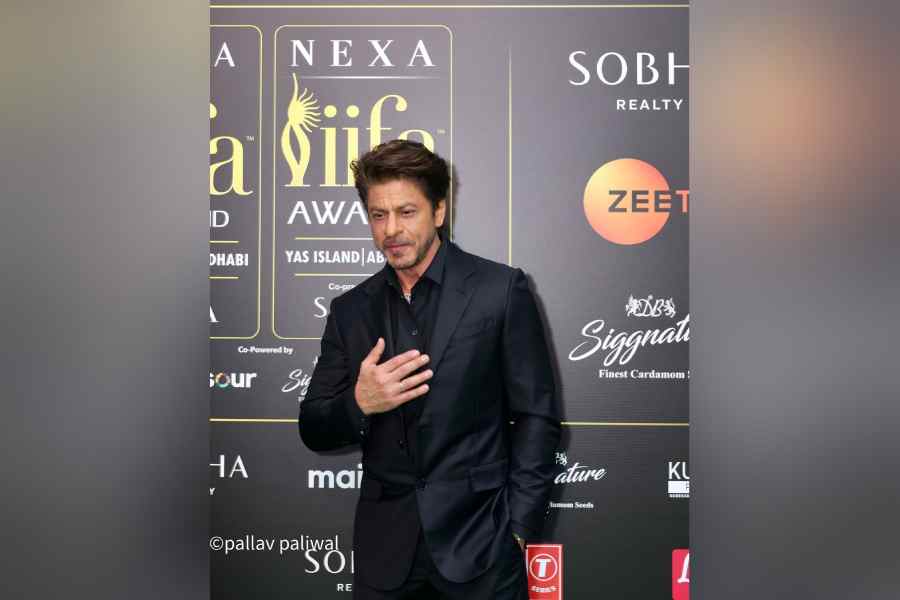
Shah Rukh Khan’s historic first National Film Award win after 33 years has sparked intense debates about Bollywood’s recognition patterns. The iconic actor’s long-overdue honor for Jawan raises questions about which contemporary stars might follow – with Alia Bhatt and Kriti Sanon emerging as strong contenders.
The 69th National Awards ceremony highlighted both veteran achievements and fresh talent, while Tollywood’s seven wins underscored India’s expanding cinematic diversity. As SRK finally joins the winners’ circle, the industry reexamines what truly defines award-worthy performances in modern Indian cinema.
- Shah Rukh Khan wins his first National Film Award after 33 years for his role in Jawan, sparking debate about Bollywood recognition timelines.
- Alia Bhatt and Kriti Sanon share the Best Actress honor, with Bhatt’s sustainable fashion choice (rewearing her wedding saree) drawing mixed reactions.
- Tollywood dominates with seven National Award wins, highlighting the growing influence of regional cinema in India’s film industry.
- SRK’s win raises questions about overdue recognition for other stars like Ajay Devgn, Deepika Padukone, and Ayushmann Khurrana.
- National Awards now increasingly recognize commercial successes like Jawan while maintaining focus on artistic and regional films.
Shah Rukh Khan’s Historic National Award Win: A 33-Year Journey to Recognition
After 33 illustrious years in Bollywood, Shah Rukh Khan has finally secured his first National Film Award for his powerful performance in the 2023 blockbuster Jawan. This monumental achievement has sparked celebrations among his global fanbase while reigniting conversations about industry recognition of commercial cinema stars. The win represents both a personal milestone for SRK and a significant shift in how India’s highest cinematic honors evaluate mainstream success.
Khan’s journey to this moment reveals much about the evolving nature of Indian cinema. Despite winning 128 awards internationally and dominating box offices worldwide, his commercial appeal may have previously worked against him in National Awards consideration. Films like Swades (2004) and Chak De India (2007) showcased his dramatic range but weren’t deemed “award-worthy” at the time.

The Changing Criteria of National Awards
The selection of Jawan reflects significant changes in National Award criteria:
- Increased consideration of audience impact metrics
- Recognition of films that balance entertainment with social messaging
- Growing appreciation for pan-Indian cinema’s commercial potential
- Younger jury members bringing fresh perspectives
Alia Bhatt and Kriti Sanon: The New Generation of National Award Winners
The 69th National Film Awards made history by announcing a rare tie for Best Actress, honoring both Alia Bhatt (Gangubai Kathiawadi) and Kriti Sanon (Mimi). This joint recognition highlights the award’s increasing willingness to acknowledge diverse interpretations of excellence in acting.
Bhatt’s win marked her first National Award, achieved through her transformative portrayal of the Mumbai underworld madam. Her decision to receive the honor in her reworn wedding saree sparked both admiration and skepticism:

Breakdown of Recent Best Actress Winners
| Year | Actress | Film | Significance |
|---|---|---|---|
| 2023 | Alia Bhatt | Gangubai Kathiawadi | First commercial star win in decade |
| 2023 | Kriti Sanon | Mimi | Surprise win for “glamorous” star |
| 2021 | Kangana Ranaut | Manikarnika | Controversial political undertones |
5 Overdue Bollywood Stars for National Recognition
SRK’s belated honor highlights several other accomplished actors still awaiting National Award validation:
1. Ajay Devgn – Despite acclaimed performances in The Legend of Bhagat Singh (2002) and Drishyam (2015), Devgn’s commercial success may have overshadowed his dramatic chops.
2. Katrina Kaif – Her transformative work in Zero (2018) demonstrated unexpected range from Bollywood’s longest-working foreign-born star.
3. Ranveer Singh – From Lootera (2013) to Gully Boy (2019), Singh has consistently delivered award-worthy performances without recognition.
The Business of Bollywood vs. Artistic Recognition
Shah Rukh Khan’s ₹5000 crore empire—spanning film production (Red Chillies), sports (KKR), and endorsements—has often led critics to question his artistic commitment. His National Award win serves as powerful rebuttal, proving commercial savvy and creative excellence can coexist.

The evolving recognition criteria reflect broader industry shifts:
- Streaming platforms disrupting traditional film hierarchies
- Regional cinema gaining equal footing with Bollywood
- Audience metrics becoming validation of cultural impact
What SRK’s Win Means for Bollywood’s Future
Khan’s National Award ultimately represents a maturation of Indian cinema’s value system, where critical and commercial success need not exist in opposition. For younger stars like Alia and Kriti, this opens new pathways to recognition that honor both artistic ambition and audience connection.
As the industry continues evolving, we can expect to see:
- More mainstream contenders in National Award categories
- Increased transparency in selection processes
- Greater diversity in recognized performances
Comments