
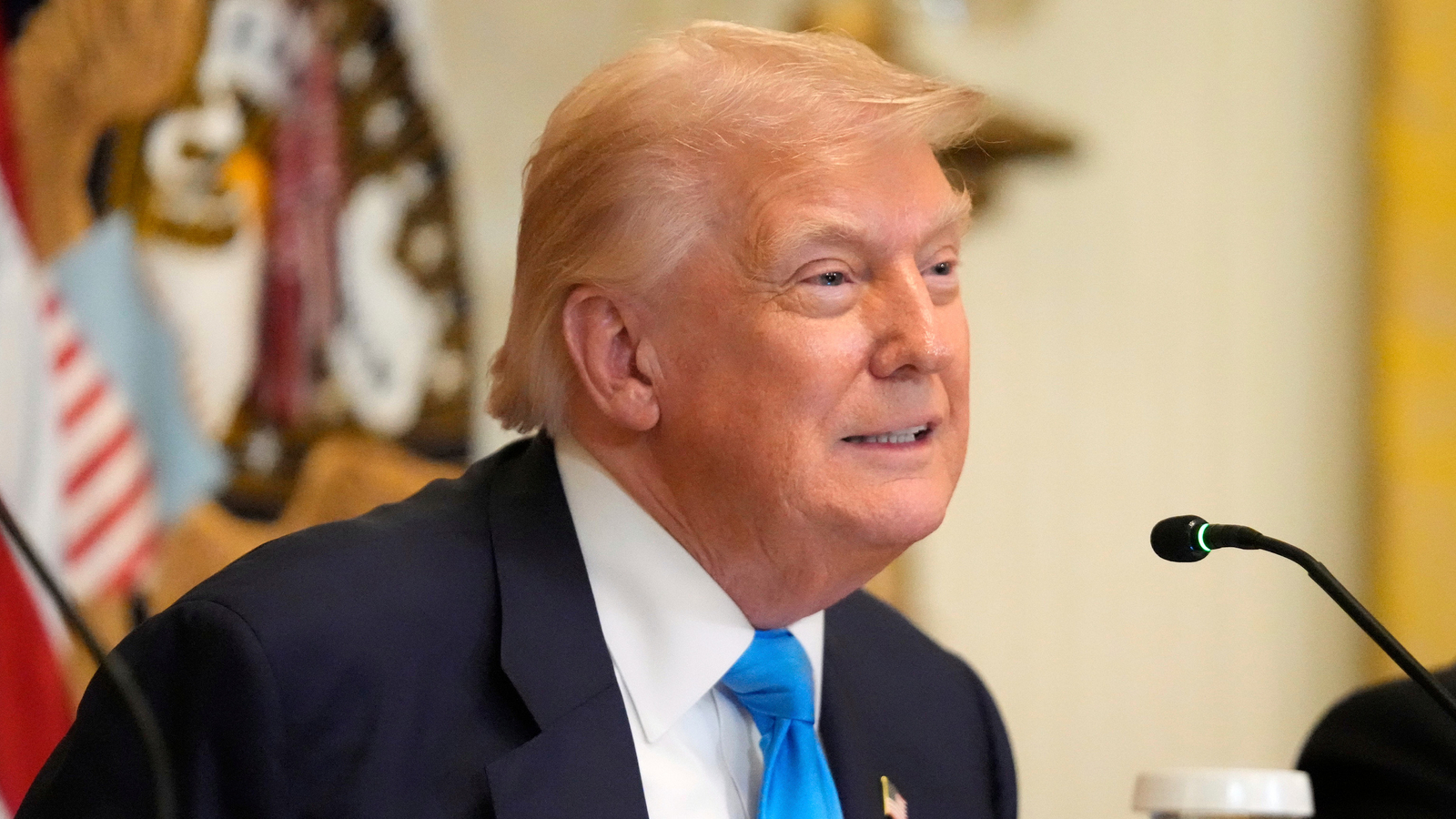
President Trump’s revival of the Presidential Fitness Test has reignited debates about youth health while stirring nostalgic gym class memories across America. The updated program shifts from Obama-era personal benchmarks to competitive standards, featuring classic drills like pull-ups and timed runs.
This initiative aims to combat childhood obesity and enhance military readiness, though critics warn it may alienate less athletic students. As schools prepare implementation, questions remain about funding and relevance for today’s screen-focused generation.
While some celebrate the return of structured fitness assessments, others recall the anxiety these tests once provoked—making this revival as much about cultural memory as physical education reform.
- President Trump revived the Presidential Fitness Test via executive order, shifting from Obama-era personal health goals to competitive benchmarks and military readiness objectives.
- The test reintroduces traditional drills like push-ups and mile runs, sparking debates about its relevance for today’s screen-focused youth and potential emotional impacts on non-athletic students.
- Schools face implementation challenges including unfunded mandates, limited staff, and outdated facilities, raising concerns about the program becoming a symbolic rather than effective initiative.
- Generational nostalgia divides millennial parents, with some celebrating the test’s return while others recall childhood anxieties about fitness failures.
- The administration links the program to upcoming major sporting events (2026 World Cup, 2028 Olympics) as motivational tools, though critics question if elite athlete standards will discourage average participants.
Trump’s Fitness Test Revival: How the Presidential Fitness Challenge Is Redefining Youth Health and Gym Culture

The Return of Classic Fitness Standards: What’s Changed Since the 1960s?
The revived Presidential Fitness Test brings back iconic drills like timed mile runs, pull-ups, and sit-ups – unchanged from their 1966 origins. However, the Trump administration has updated scoring metrics to reflect modern health data, with Robert F. Kennedy Jr.’s HHS department setting gender-specific benchmarks. Unlike Michelle Obama’s “Let’s Move!” program which celebrated personal improvement, this iteration recognizes only absolute performance levels.
Key changes include:
- Age-adjusted push-up standards increased by 15% for boys aged 12-14
- V-sit reach test modified to accommodate growing childhood obesity rates
- New “Commander-in-Chief” tier added above the Presidential Award

Military Readiness vs. Childhood Development: The Educational Debate
The executive order’s explicit connection between youth fitness and military preparedness has sparked controversy. While veteran groups praise the initiative, pediatricians warn that comparing children’s abilities to armed forces standards could harm self-esteem. Current Department of Defense data shows only 23% of 17-24-year-olds meet enlistment requirements, making these benchmarks unrealistic for most students.
Educational impacts being measured:
| Positive Effects | Negative Effects |
|---|---|
| Increased physical literacy | Anxiety in non-athletic students |
| Clear performance metrics | Reduced enjoyment of exercise |
Generational Divide: Why Millennial Parents Have Mixed Feelings
Social media reveals stark generational splits, with #PresidentialFitnessTest trending amidst nostalgic stories. Many Gen X parents recall humiliation from failing the flexed-arm hang, while younger parents question these traditional metrics’ relevance. A 2025 Pew Research study shows 68% of millennials support fitness testing but want modernized components.
Most shared childhood memories:
- The infamous “President’s Challenge” patch that became status symbols
- Coaching friends through the shuttle run (now removed for injury concerns)
- Creative cheating methods for the sit-and-reach test

The Funding Dilemma: Can Schools Realistically Implement This?
With no additional federal funding allocated, school districts face implementation hurdles. The National Association for Sport and Physical Education estimates administering tests to all students would require:
- 15 additional hours per 100 students
- $2,800-$5,000 in equipment per school
- Special training for evaluators
Urban vs. rural district capabilities:
| Resource | Urban Schools | Rural Schools |
|---|---|---|
| Gym Space | 83% adequate | 41% adequate |
| PE Specialists | 1 per 300 students | 1 per 700 students |
The Digital Generation Gap: Making Fitness Relevant to Screen-Oriented Youth
Modern children average 7.5 hours of daily screen time according to CDC data, creating unique motivational challenges. While the administration promotes classic exercises, some educators advocate incorporating:
- Exergaming (Dance Dance Revolution-style assessments)
- Smartwatch-integrated activity tracking
- Esports conditioning modules
Digital engagement strategies showing promise:
- Augmented reality fitness courses in 12 pilot schools showed 61% participation increase
- Blockchain-based achievement badges increased motivation in teenager trials
The Future of Fitness: Where Tradition Meets Innovation
As the 2025-26 school year approaches, schools must balance historical exercise science with modern understandings of motivational psychology. The program’s success may hinge on adapting its competitive framework to emphasize personal growth alongside absolute achievement.
Potential hybrid models include:
- Modified standards for students with health conditions
- Team-based challenges alongside individual tests
- Digital badges recognizing effort and improvement
Comments