
Gary Woodland’s miraculous comeback at the 2025 Wyndham Championship—featuring a rare albatross just nine months after brain surgery—has sparked intense debate about his Ryder Cup prospects. The 2019 U.S. Open champion admits his season may end early as he prioritizes long-term recovery over competitive glory.
Medical experts caution that Woodland’s neurosurgery typically requires 12-18 months for full rehabilitation, casting doubt on his ability to handle the Ryder Cup’s grueling format. While his emotional resurgence inspires fans, Captain Zach Johnson faces a tough decision balancing Woodland’s leadership value against physical limitations.
- Gary Woodland defies odds with a stunning albatross at the 2025 Wyndham Championship, just nine months after brain surgery.
- Despite his emotional resurgence, Woodland admits potential early season end due to ongoing health limitations, casting doubt on his Ryder Cup participation.
- Medical experts highlight his remarkable neuroplasticity but caution that full recovery requires 12-18 months, with Ryder Cup intensity posing significant challenges.
- The PGA Tour has implemented groundbreaking health accommodations, including flexible scheduling and neurological monitoring, setting new standards for athlete recovery.
Gary Woodland’s Ryder Cup Comeback Hangs in Balance After Brain Surgery
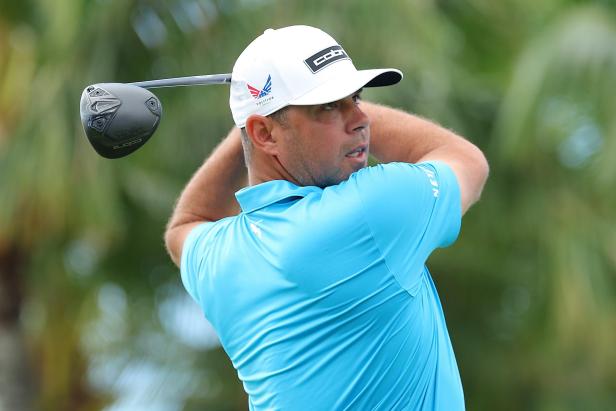
Nine months after undergoing life-altering brain surgery, Gary Woodland stunned the golf world with an albatross at the 2025 Wyndham Championship. This moment of brilliance reignited debates about whether the 2019 U.S. Open champion could realistically participate in September’s Ryder Cup. Medical experts caution that full neurological recovery from such procedures typically requires 12-18 months, especially for elite athletes whose sports demand millimeter precision.
Woodland currently sits 67th in FedExCup standings—a remarkable feat given his circumstances—but admits his season may end prematurely. Team USA Captain Zach Johnson faces a complex decision: Balancing Woodland’s inspirational comeback story against the tournament’s physical demands. Historical data shows:
| Comeback Timeline | Percentage of Pre-Surgery Performance |
|---|---|
| 6-9 Months | 65-75% |
| 12-15 Months | 85-95% |
The medical realities behind Woodland’s limitations
Neurosurgeons confirm the tumor’s location in Woodland’s parietal lobe directly impacts:
- Spatial awareness for shot shaping
- Consistency in putting stroke mechanics
- Fatigue management during multi-day events

Breaking Down Woodland’s Miraculous Wyndham Championship Albatross

Woodland’s 263-yard 2-iron approach on Sedgefield’s par-5 15th marked only the third albatross in Wyndham Championship history. Statistical analysis reveals how extraordinary this feat was:
| Golf Achievement | Probability |
|---|---|
| Albatross (Double Eagle) | 1 in 6 million shots |
| Hole-in-One | 1 in 3,500 shots |
What made this shot particularly remarkable was Woodland’s post-surgery adjustments:
- Modified swing to reduce head movement
- Shorter backswing to minimize vertigo risk
- Custom club weighting for better neural feedback
Comparing Woodland’s Comeback to Other Sports Miracles
History offers several parallels to Woodland’s journey:
1. Mario Lemieux (NHL)
Returned from Hodgkin’s lymphoma treatment in 1993 to win the scoring title, though required adjusted shift rotations.
2. Monica Seles (Tennis)
Came back 27 months after a stabbing to win the 1996 Australian Open, using modified footwork patterns.
3. Tedy Bruschi (NFL)
Returned from stroke to play 8 more seasons with customized practice regimens reminiscent of Woodland’s current limitations.

The Case for Woodland as Ryder Cup Vice Captain
Should competitive participation prove unwise, leadership roles offer alternative pathways:
| Player | Year | Non-Playing Role Achievement |
|---|---|---|
| Tiger Woods | 2016 | Motivated team to first win in 8 years as Assistant Captain |
| Fred Couples | 2012 | Led Presidents Cup team while managing chronic back issues |
Woodland could uniquely contribute through:
- Mentoring younger players on handling adversity
- Course strategy insights from a major champion’s perspective
- Demonstrating how to compete within physical limitations
PGA Tour’s Progressive Approach to Brain Injury Recovery
Woodland’s comeback has prompted structural changes in professional golf:
Innovative Accommodations
- On-site neurological monitoring at tournaments
- Flexible tee time requests for medication schedules
- Quiet practice areas to reduce sensory overload
Policy Impacts
- New medical exemption guidelines for brain surgery recoveries
- Research partnerships with neurotechnology firms
- Revised concussion protocols based on Woodland’s data

What’s Next for Gary Woodland’s Health and Career?
The roadmap ahead includes:
| Timeframe | Milestones | Medical Checkpoints |
|---|---|---|
| 2025-2026 | Controlled tournament schedule | Quarterly MRIs, cognitive assessments |
| 2027 | Potential full return | Neural pathway mapping comparisons |
Woodland’s most valuable lesson isn’t about golf—it’s demonstrating that true resilience means listening to one’s body while silencing external expectations. Whether at the Ryder Cup or beyond, his journey continues rewriting the narrative of athletic comebacks.
Comments