
A Korean university student was recently detained by ICE for an expired visa, igniting debates about immigration enforcement and student rights. While green card holders typically have stronger protections, this case reveals how minor violations can trigger severe consequences.
The incident highlights growing concerns about the precarious status of international students under current U.S. immigration policies. Faith leaders and advocates are condemning the detention as excessive, noting the student had been pursuing higher education in America.
This follows multiple cases of Korean students facing deportation for technical violations, including a PhD holder detained despite lawful permanent residency. Community outrage grows as families question the proportionality of such enforcement actions.
- A Korean PhD student and green card holder, Tae Heung “Will” Kim, was detained by ICE at San Francisco International Airport despite having lawful permanent resident status since 2011. He is currently held at an Arizona ICE facility under reportedly poor conditions.
- Multiple cases show international students facing deportation for minor violations, including a Columbia University student targeted for pro-Palestinian protests and a high school graduate detained after a routine visa hearing.
- Green card holders can be deported for past offenses, with drug-related convictions (even minor ones) being primary grounds, as demonstrated by Kim’s detention based on a 2011 charge.
- The cases reveal systemic issues where technical visa violations lead to disproportionate consequences, including academic disruption and family separation, sparking outrage among advocates.
Korean Student Detained by ICE for Expired Visa: Rights of Green Card Holders and Rising Deportation Risks
Korean PhD Student Detained at SFO: The Troubling Case of Tae Heung Kim
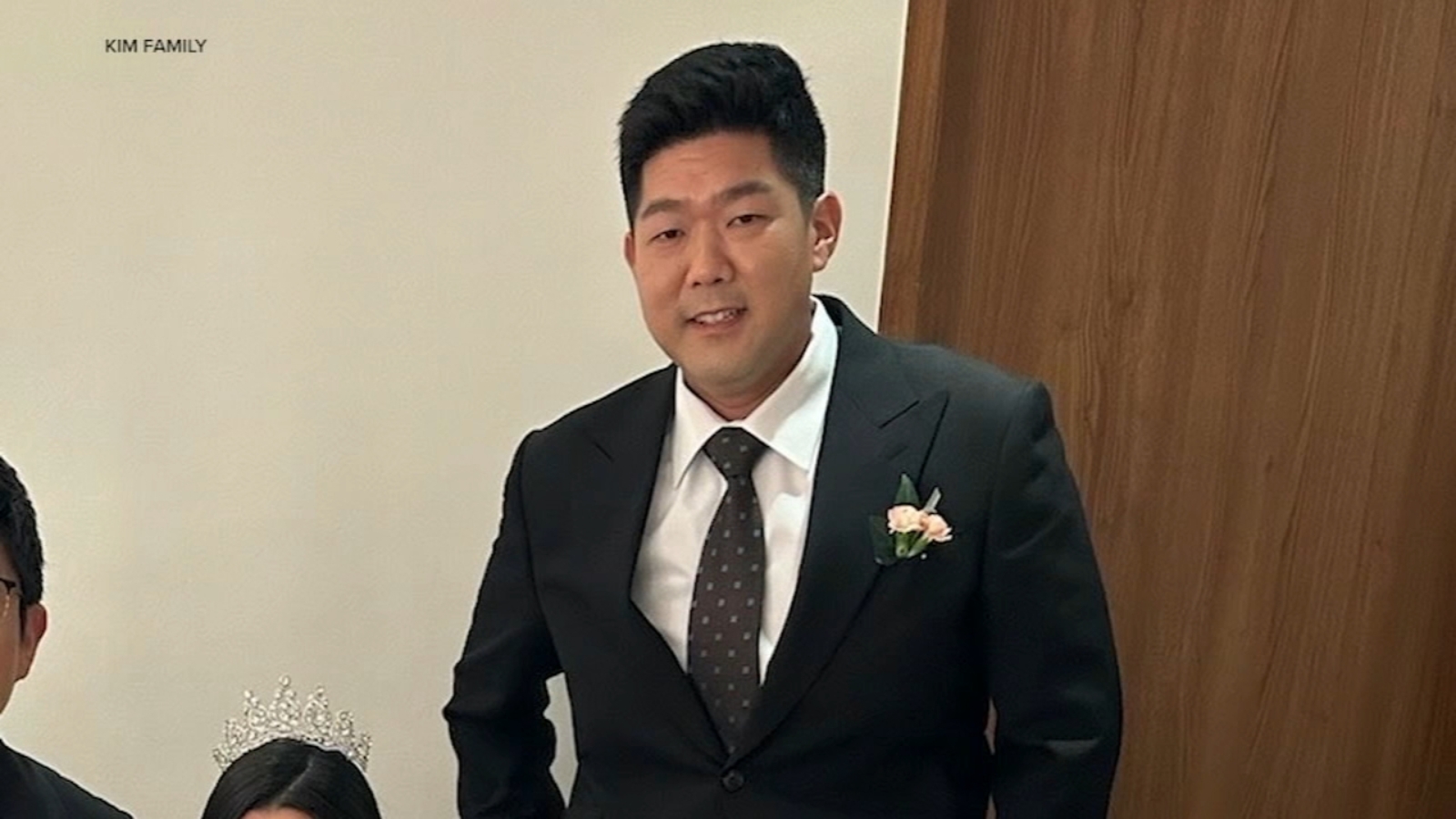
The detention of Tae Heung “Will” Kim, a Korean Ph.D. student at Texas A&M University, has sparked national outrage. Despite holding a green card since 2011, Kim was detained at San Francisco International Airport and transferred to an Arizona ICE facility. Immigration officials cited a minor drug charge from 2011 as justification, though the specifics remain unclear.
What makes this case particularly alarming is the apparent retroactive application of immigration law. Kim had maintained lawful permanent resident status for over a decade before this sudden detention. Legal experts note that such actions create chilling uncertainty for all green card holders.
The Arizona facility where Kim is being held has faced previous criticism for inadequate conditions, including limited access to sunlight and legal resources. This transfer across state lines appears strategically designed to isolate detainees from their support networks.
Why Green Cards No Longer Guarantee Protection
Recent policy shifts have eroded protections that permanent residents once took for granted:
- Expanded criteria for “removable offenses” (now including minor infractions)
- Aggressive reinterpretation of old violations
- Elimination of prosecutorial discretion in many cases

The Expanding ICE Dragnet: Korean Students Under Increasing Scrutiny

Kim’s case isn’t isolated. Multiple Korean students have recently faced detention:
- Yunseo Chung (Columbia University) – Targeted after pro-Palestinian protests
- Yeonsoo Go (Westchester high school) – Detained after visa expiration
- Unnamed restaurant worker – Arrested during workplace raid
The common thread appears to be heightened scrutiny of Korean students specifically, with ICE interpreting minor infractions as justification for drastic action. This aligns with broader trends showing increased international student deportations under current policies.
The Political Calculus Behind Student Targeting
Students represent ideal targets for ICE enforcement because:
- They’re highly visible on college campuses
- Demonstrations make convenient documentation
- University communities generate media attention when protesting
From Visa Violation to Deportation: Understanding the Legal Process
| Stage | Duration | Rights |
|---|---|---|
| Initial Arrest | 48-72 hours | Limited access to counsel |
| ICE Processing | 1-7 days | Medical screening only |
| Detention Hearing | 2-4 weeks | Bond possibly granted |
| Removal Proceedings | Months-years | Full legal rights apply |
The system’s design creates maximum pressure to accept deportation rather than fight prolonged detention. Transfers to remote facilities like Arizona’s effectively deprive detainees of consistent legal representation.
Green Card Peril: When Permanent Residency Isn’t Permanent
Common misconceptions about green card protections:
- Myth: Past offenses “expire” after time
- Reality: Any removable offense remains actionable indefinitely
- Myth: Good conduct guarantees security
- Reality: Policy changes can retroactively alter status
The Kim case establishes dangerous precedent – if a decade-old minor offense can imperil a PhD candidate, no green card holder is truly secure. This represents a fundamental redefinition of permanent residency.
Proactive Steps for At-Risk Residents
Legal experts recommend:
- Comprehensive immigration audits
- Preemptive applications for waiver relief
- Documenting continuous positive contributions
The Broader Impact: Chilling Effects on International Education
Universities report worrying trends since these detentions began:
- 12% drop in Korean graduate applications
- 40% increase in student legal consultations
- Multiple canceled research collaborations
The damage extends beyond those detained, creating academic exile for entire student populations who now view the U.S. as hostile territory. America’s reputation as the premier destination for global talent is eroding in real time.
Legal Strategies and Community Responses
Effective resistance has emerged through:
- Campus-based rapid response networks
- Faith community sanctuary programs
- Congressional discharge petitions
Most promising are university partnerships with immigration nonprofits creating “legal firewalls” through pre-clearance documentation reviews and 24/7 detainee support hotlines.
The Path Forward: Policy Solutions
Concrete measures could mitigate this crisis:
- Clearer standards for student visa enforcement
- Statutes of limitation for minor offenses
- Independent oversight of ICE detention decisions
Comments