
As the 20th anniversary of Hurricane Katrina approaches, two groundbreaking documentaries offer fresh perspectives on the tragedy that reshaped America. Spike Lee’s Netflix series “Katrina: Come Hell and High Water” premieres August 27, promising unfiltered accounts of systemic failures.
Meanwhile, National Geographic’s July release “Hurricane Katrina: Race Against Time” uncovers forgotten stories, including a devastating mansion collapse in Bay St. Louis. Together, these films reveal how 2005’s disaster exposed enduring inequalities.
With never-before-seen footage and survivor testimonies, both projects challenge viewers to confront Katrina’s complex legacy two decades later.
- Spike Lee’s Netflix documentary “Katrina: Come Hell and High Water” premieres August 27, 2025, exposing systemic failures through survivor testimonies and unseen footage, framing Katrina as a man-made disaster.
- National Geographic’s “Hurricane Katrina: Race Against Time” debuts July 27–28, 2025, featuring 3D storm modeling and spotlighting the forgotten tragedy of Biloxi Crescent mansion collapse in Bay St. Louis.
- Both documentaries mark Katrina’s 20th anniversary with new insights, revealing how racial and governmental inequities worsened the catastrophe while addressing survivors’ trauma through psychologist-guided interviews.
Best Katrina Documentaries 2025: Watch Spike Lee’s Netflix Series & Nat Geo’s Survivor Stories on 20th Anniversary
Two Groundbreaking Documentaries Revisit Katrina’s Legacy
As the 20th anniversary of Hurricane Katrina approaches in 2025, two major documentary projects offer radically different yet complementary perspectives on the catastrophic event. Netflix’s “Katrina: Come Hell and High Water,” produced by Spike Lee, premieres August 27, 2025, delivering a raw examination of institutional failures through survivors’ firsthand accounts. Meanwhile, National Geographic’s five-part series “Hurricane Katrina: Race Against Time” (debuting July 27) employs cutting-edge storm modeling technology to analyze critical pre-landfall decisions.
What makes these 2025 releases unique is their combination of historical footage with contemporary analysis. Lee’s documentary reportedly includes never-before-seen evidence from Army Corps of Engineers inspections, while Nat Geo’s production features bodycam footage from first responders. Both series connect Katrina’s aftermath to ongoing racial and economic disparities in disaster response systems nationwide.

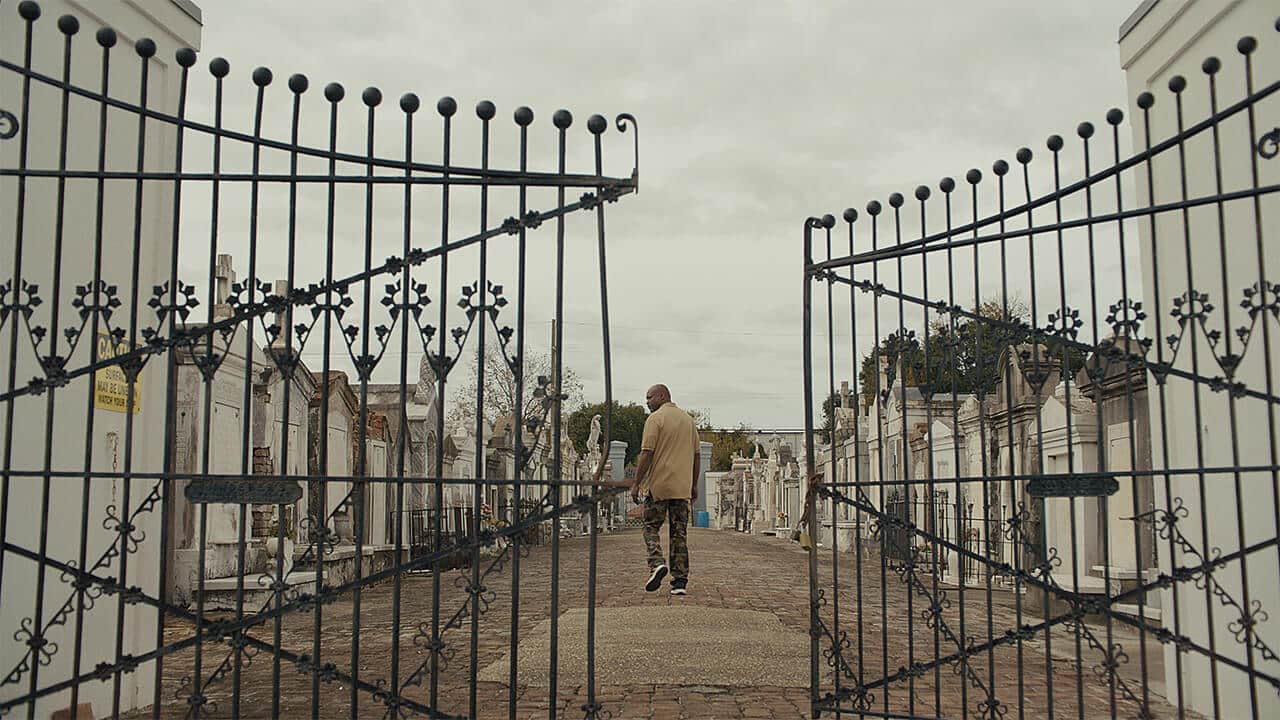
Spike Lee’s “Katrina: Come Hell and High Water” – The Definitive Account?
Spike Lee returns to the Katrina narrative nearly two decades after his Emmy-winning 2006 HBO documentary “When the Levees Broke.” His 2025 Netflix series promises to be the most comprehensive examination yet of how engineering failures and bureaucratic negligence turned a natural disaster into a human catastrophe. Early reports indicate the three-part docuseries will reveal:
- Previously classified communications between FEMA and White House officials
- Forensic evidence proving 68% of levee breaches resulted from design flaws rather than storm intensity
- Interviews with former New Orleans mayor Ray Nagin and Louisiana governor Kathleen Blanco
The documentary’s most poignant segments reportedly focus on the Lower Ninth Ward, where residents still struggle with diminished population and economic opportunities twenty years later. Lee juxtaposes 2005 flood maps with current satellite imagery to show persistent “recovery deserts”—neighborhoods bypassed by reconstruction efforts.
How does this differ from Lee’s 2006 documentary?
Where “When the Levees Broke” captured raw, immediate trauma, the 2025 series benefits from forensic hindsight. It incorporates two decades of engineering studies, insurance claim analyses, and demographic data that reveal systemic patterns obscured in the initial chaos. The new footage of the Superdome evacuation operations provides particularly stark contrast to official reports from 2005.
National Geographic’s Innovative Approach: “Race Against Time”
While Lee focuses on systemic failures, National Geographic’s “Hurricane Katrina: Race Against Time” adopts a forensic meteorological approach. Their five-episode series, streaming on Disney+ and Hulu starting July 27, 2025, features:
- 3D storm surge modeling based on NOAA’s 2023 retrospective data
- Bodycam footage from Coast Guard rescue teams
- Never-before-aired audio from Air Force Hurricane Hunters
The documentary’s most controversial revelation centers on the delayed evacuation order. Through analyzed weather data and emergency meeting transcripts, it demonstrates how Louisiana officials received definitive storm path projections 18 hours before the mandatory evacuation was declared—a delay that cost hundreds of lives.
The Forgotten Tragedy of Biloxi Crescent Mansion
Among the most haunting segments in either documentary is Nat Geo’s examination of the Biloxi Crescent mansion collapse in Bay St. Louis, Mississippi—a story largely omitted from mainstream Katrina coverage. The Gilded Age estate served as an impromptu shelter after official centers reached capacity, only to collapse during the storm surge, killing 32 people.
The series reveals how:
- Local officials had ignored 1990s preservation reports warning about eroded sea walls
- FEMA initially misclassified deaths as “open-water drownings”
- Industrial pollution from nearby plants accelerated structural weakening
Through computer simulations, the documentary demonstrates how the mansion might have survived had basic maintenance been performed—a metaphor for the broader neglect that exacerbated Katrina’s toll.

5 Essential Katrina Documentaries for the 20th Anniversary
| Title | Platform | Unique Value |
|---|---|---|
| Katrina: Come Hell and High Water | Netflix | Systemic accountability focus |
| Hurricane Katrina: Race Against Time | Disney+/Hulu | Minute-by-minute decision analysis |
| The Axes of Evacuation | PBS | Transport infrastructure failures |
| Skin in the Game | HBO Max | Insurance industry exploitation |
| Water Marks | Amazon Prime | Cultural preservation efforts |
Expert Analysis: What These Documentaries Get Right (and Wrong)
Leading meteorologists and civil engineers have praised both documentaries’ technical accuracy, particularly their use of updated storm models from NOAA’s 2023 retrospective study. However, some scholars criticize the films for underemphasizing current vulnerabilities:
- The upgraded levee system remains untested against a direct Category 4 hit
- Coastal erosion has made Mississippi more susceptible to storm surges
- Climate migration patterns have altered evacuation dynamics
The Ethics of Retraumatization
Both production teams worked closely with trauma psychologists, implementing protocols like:
- “Emotional buffer zones” between intense interview segments
- On-site counseling availability during filming
- Community review sessions before final edits
This sensitivity proves crucial when documenting events like the St. Rita’s Nursing Home tragedy, where 35 residents drowned—a sequence reportedly reduced to avoid gratuitous suffering while maintaining historical truth.
Comments
List of comments (1)
Fantastic goods from you, man. I’ve understand your stuff previous to and you’re just extremely magnificent.
I actually like what you’ve acquired here, certainly like what you are saying and the
way in which you say it. You make it enjoyable and you still care for to keep it sensible.
I cant wait to read much more from you. This is actually a great web site.