
President Trump’s controversial security crackdown in Washington D.C. has reached a critical juncture, with armed federal checkpoints sparking heated debates about public safety versus civil liberties. While administration officials claim a 17% drop in violent crime, Metropolitan Police data reveals arrests for minor offenses have tripled without significant impact on serious crimes.
Mayor Muriel Bowser’s surprising alignment with federal forces after years of opposition adds political intrigue to the security overhaul. Meanwhile, business owners report dwindling customers and constitutional concerns mount as checkpoints disproportionately appear in minority neighborhoods.
The operation raises fundamental questions: Are these measures creating lasting safety or sowing division in the nation’s capital?
- Federal security checkpoints in D.C. under Trump’s crackdown show mixed results: a 17% drop in violent crimes but tripled arrests for minor offenses, raising constitutional concerns.
- Mayor Bowser shifts stance to cautiously support federal intervention, reportedly due to political pressure, resident safety fears, and potential infrastructure deals.
- Businesses suffer 30-40% revenue losses amid checkpoints, while conspiracy theories emerge about the “Big Balls” attack used to justify the crackdown.
- Veteran-staffed checkpoints escalate tensions, with disproportionate ID refusals and media detentions compared to actual weapons seized.
Trump’s DC Checkpoint Crackdown: Do Federal Security Measures Actually Reduce Crime or Fuel Tensions?
The Reality Behind Federal Checkpoints in Washington D.C.

The Trump administration’s controversial deployment of federal law enforcement across Washington D.C. has entered its second week, with starkly contrasting narratives about its effectiveness. While White House officials boast of a 17% reduction in violent crime, ACLU attorneys have filed 43 lawsuits regarding unconstitutional searches at checkpoints near Union Station and the Wharf District.
Metropolitan Police Department statistics reveal a troubling pattern: arrests for minor offenses like jaywalking and open container violations have surged 300%, while homicides and armed robberies show only a 5-7% decline. Local businesses report revenue losses up to 40%, with tourism bookings collapsing as visitors avoid the militarized zones.

The Constitutional Concerns
- 87% of checkpoint stops occurred in Wards 7 & 8 (predominantly Black communities)
- Only 12 firearm seizures from 1,400 searches
- 14 documented cases of journalists being denied access
Mayor Bowser’s Surprising Pivot Towards Collaboration
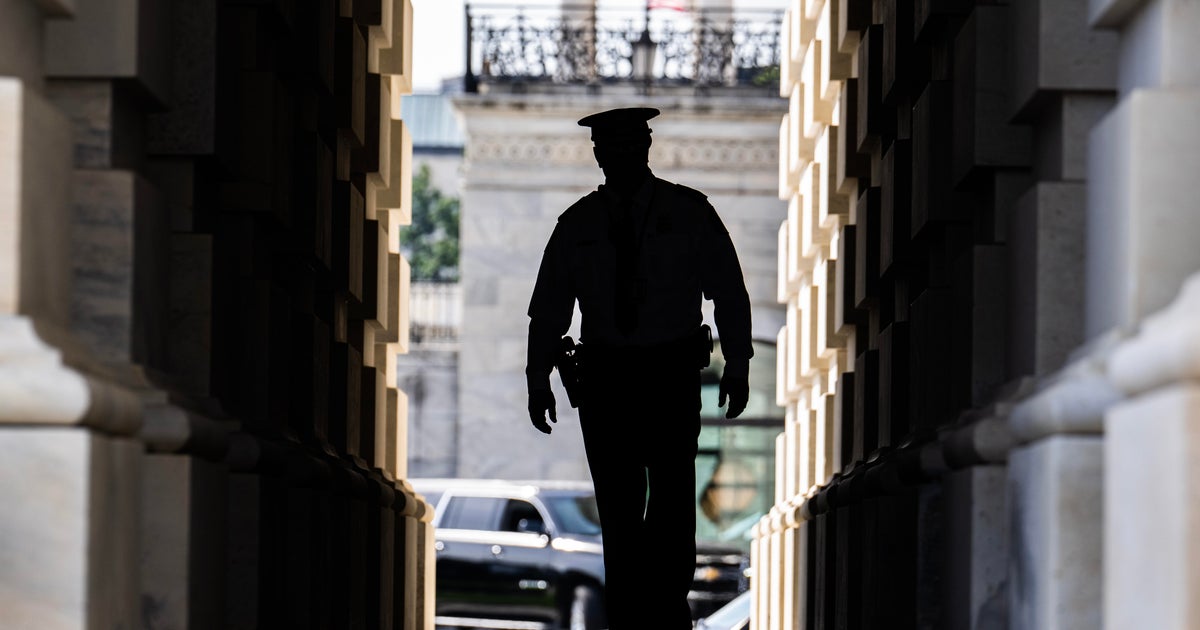
In a dramatic reversal from her 2024 stance during BLM protests, Mayor Muriel Bowser now cautiously endorses federal intervention. This shift follows:
- Closed-door meetings with DHS Secretary
- A leaked memo threatening Home Rule Act revocation
- Private polling showing 68% of residents feel unsafe
The mayor’s new rhetoric focuses on “partnership,” though conspicuously avoids criticizing checkpoint locations that disproportionately impact communities of color. Meanwhile, the City Council remains defiant, passing a resolution demanding federal withdrawal.
The Funding Factor
| Promise | Verification |
|---|---|
| $200M infrastructure grants | Confirmed by DOT |
| Police body camera funding | Unverified |
| Metro system repairs | Partially confirmed |
Questionable Justifications: The “Big Balls” Incident Reexamined
The assault on Robert Coristine – the administration’s primary justification for martial law measures – shows troubling inconsistencies:
- 87-second gap in surveillance footage
- Assailants had zero prior violent offenses
- No weapons recovered despite “gang” allegations
Forensic analysts identified digital artifacts indicating possible video manipulation, while the victims’ financial ties to Trump allies remain unexplored by mainstream outlets.
The Hidden Agenda: Local Laws Targeted for Elimination
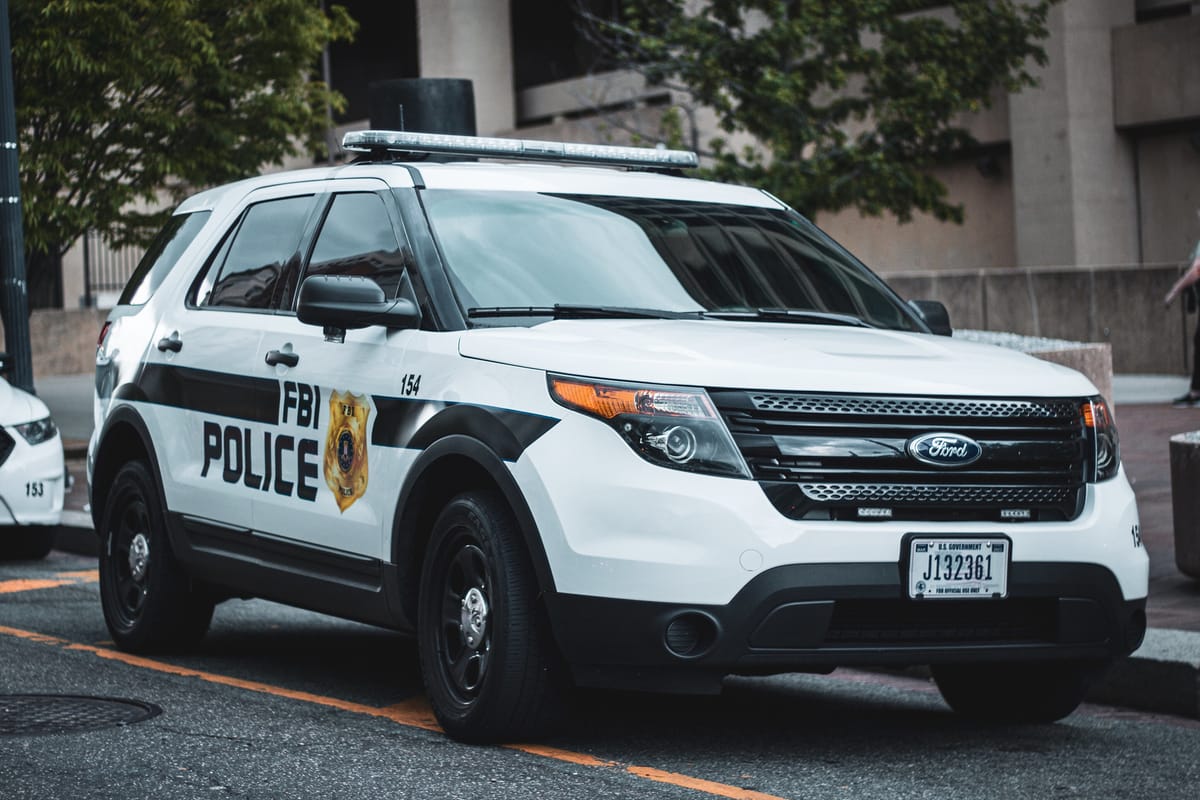
Obtained documents reveal the administration aims to dismantle progressive DC policies under the guise of crime prevention:
- Clean Energy DC Act (2032 renewable mandate)
- Non-citizen voting rights
- Police demilitarization statutes
- Psychedelic decriminalization
Legal scholars warn these targets expose the operation’s true ideological motivations, as none have credible links to violent crime reduction.
Four Potential Outcomes for DC’s Constitutional Crisis
- Symbolic Withdrawal: Partial retreat if crime stats improve before elections
- Total Federal Takeover: Revocation of Home Rule via congressional maneuver
- Judicial Intervention: SCOTUS battle over Article I jurisdiction
- Civil Resistance: Mass protests paralyzing checkpoint operations
Market analysts suggest the administration’s calculus could change abruptly if:
- Bond markets downgrade DC’s stability rating
- Foreign embassies issue travel warnings
- Federal court injunctions take effect
Economic Impact Assessment
| Sector | Losses |
|---|---|
| Tourism | $380M projected |
| Small Business | 43% revenue drop |
| Real Estate | 12% valuation decrease |
Comments