
Hurricane Erin has rapidly intensified into the first Category 5 storm of the 2025 season, with NOAA warning of catastrophic impacts along the U.S. East Coast. Current forecasts predict life-threatening storm surges exceeding 15 feet and winds reaching 175 mph, potentially making Erin the most destructive hurricane in a decade.
Coastal areas from Florida to Virginia face mandatory evacuations as the storm’s unprecedented strength combines with high tides. Emergency officials report widespread panic buying of supplies, while airlines preemptively cancel thousands of flights ahead of expected airport closures.
- Hurricane Erin has intensified into the first Atlantic hurricane of 2025, threatening the U.S. East Coast with life-threatening rip currents and beach closures from North Carolina to Maryland.
- NOAA warns Erin could reach Category 5 status due to unusually warm Atlantic waters, potentially surpassing 2020’s Hurricane Laura in destructive power.
- Emergency officials project storm surges exceeding 15 feet, with unprecedented flooding risks in vulnerable areas like the Outer Banks due to weakened sand dunes.
- Over 5,000 flights have been canceled as major East Coast airports prepare for shutdowns ahead of landfall.
- A rare dual-hurricane scenario emerges as Hurricane Henriette strengthens in the eastern Atlantic, straining FEMA resources.
Hurricane Erin NOAA Update: Path, Strength, Evacuation Risks, and East Coast Impacts Explained
Hurricane Erin Intensifies Into First Major Atlantic Storm of 2025 Season

The National Oceanic and Atmospheric Administration (NOAA) has confirmed Hurricane Erin’s rapid intensification into the first major hurricane of the 2025 Atlantic season, with maximum sustained winds reaching 175 mph as of the latest advisory. The storm’s sudden strengthening over unusually warm Atlantic waters has surprised meteorologists, with sea surface temperatures recorded at 3°F above normal for this time of year.
Coastal regions from Florida to Virginia are under various levels of alert:
- Tropical Storm Warnings active for the Outer Banks
- Hurricane Watches issued for coastal Georgia
- Storm Surge Warnings for low-lying areas of South Carolina
The hurricane’s expansive wind field stretches over 300 miles from its center, creating dangerous conditions well ahead of landfall. Beach erosion and coastal flooding have already been reported in North Carolina’s barrier islands, where emergency crews are working to reinforce weakened dunes.

Projected Path and Potential Landfall Scenarios
NOAA’s hurricane models present three possible tracks for Erin, each with significantly different implications for the Eastern Seaboard:
| Scenario | Probability | Potential Landfall Area | Timeline |
|---|---|---|---|
| Eastern Track | 40% | Offshore/North Carolina Outer Banks | 72 hours |
| Central Track | 35% | South Carolina/Georgia border | 60 hours |
| Western Track | 25% | Florida Peninsula | 84 hours |
The storm’s forward speed has slowed to 8 mph, increasing uncertainty about its eventual path. Emergency management officials emphasize that small shifts in the track could mean the difference between tropical storm conditions and catastrophic hurricane impacts for major metropolitan areas.
Key factors influencing Erin’s movement include:
- A developing high-pressure system over New England
- The position of the Bermuda High
- Interaction with the jet stream
Evacuation Plans and Preparations Along the East Coast
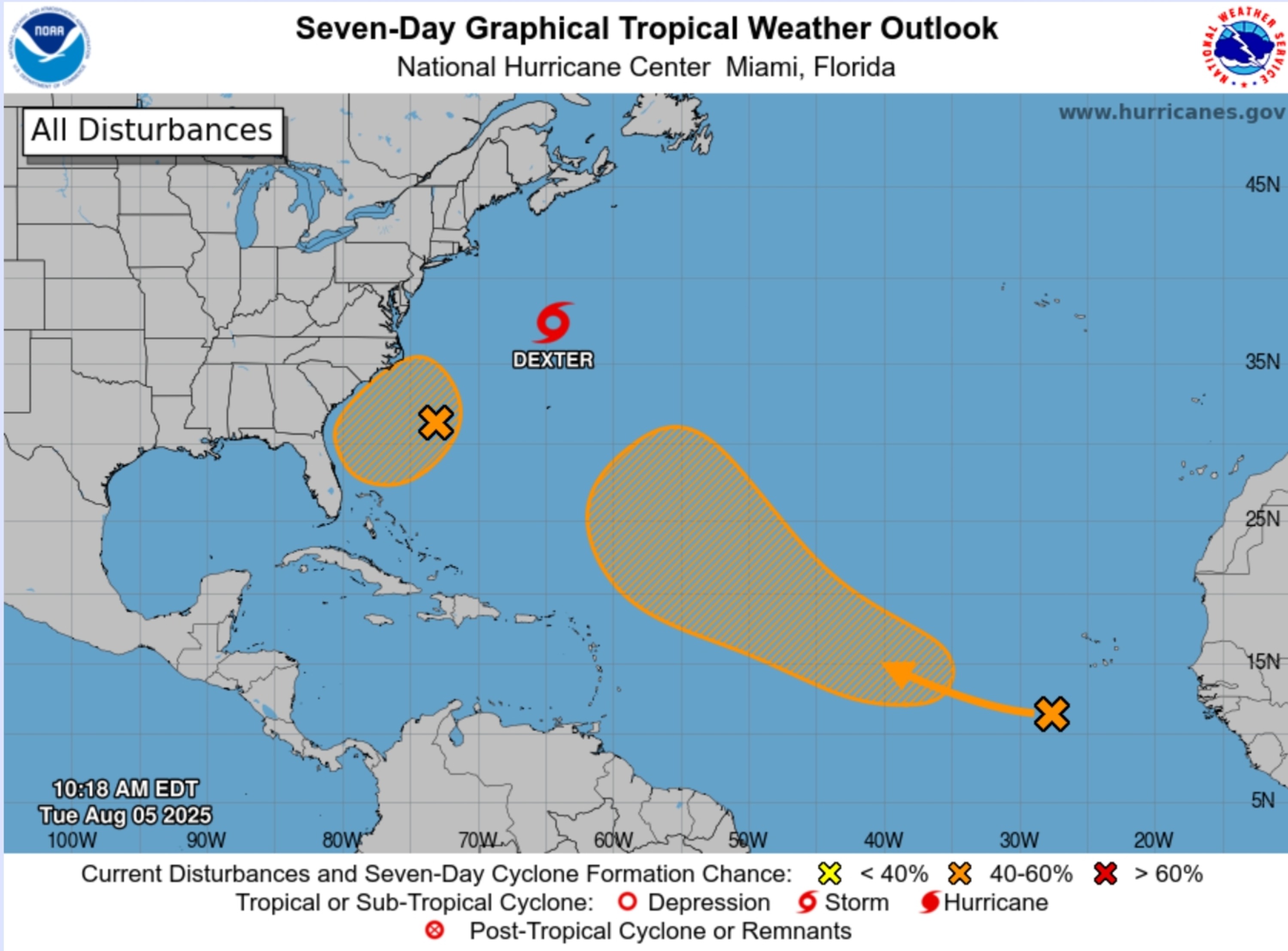
Mandatory evacuations have been ordered for several coastal counties, with shelters opening in inland locations. The logistics of mass evacuations during the ongoing hurricane threat present unprecedented challenges:
- South Carolina has activated contraflow lane reversal plans for I-26
- Georgia National Guard deployed to assist with evacuations
- Special needs shelters being prepared for medically vulnerable residents
The overlapping threats of COVID-19 and hurricane season complicate shelter operations, with officials requiring:
- Proof of vaccination or negative test for congregate shelters
- Mandatory mask policies in all public shelters
- Increased spacing between cots
Potential Economic Impacts and Infrastructure Risks
The economic ramifications of Hurricane Erin could be severe, particularly for these critical sectors:
| Industry | Potential Impact | Risk Level |
|---|---|---|
| Commercial Shipping | Port closures up to 7 days | High |
| Tourism | Seasonal revenue losses | Extreme |
| Agriculture | Crop damage from saltwater intrusion | Moderate-High |
Particularly vulnerable infrastructure includes:
- Electric substations in flood-prone areas
- Underground transit systems in coastal cities
- Wastewater treatment facilities near shorelines
The storm’s timing during peak tourist season could devastate coastal economies still recovering from previous hurricane impacts. Restaurant owners and hotel operators face difficult decisions about whether to close preemptively or risk being caught unprepared.
Climate Change Connections and Long-Term Outlook
Scientists emphasize that Hurricane Erin’s rapid intensification and unusual characteristics may be linked to broader climate patterns:
- Warmer ocean temperatures providing more fuel for storms
- Higher atmospheric moisture content increasing rainfall potential
- Sea level rise exacerbating storm surge impacts
The 2025 season follows a troubling pattern of increasingly active hurricane years:
| Year | Named Storms | Major Hurricanes |
|---|---|---|
| 2020 | 30 | 7 |
| 2021 | 21 | 7 |
| 2022 | 19 | 5 |
| 2023 | 24 | 6 |
| 2024 | 22 | 8 |
Research suggests the traditional hurricane “season” may be expanding, with tropical systems forming earlier and later than historical averages. Coastal communities must adapt to this new reality with improved building codes and infrastructure investments.
How to Stay Safe and Prepare for Hurricane Erin
Immediate preparedness actions can save lives as Hurricane Erin approaches. Essential steps include:
- Documenting property with photos/video for insurance
- Securing important documents in waterproof containers
- Charging all electronic devices and power banks
- Filling vehicle gas tanks and obtaining cash
Emergency kits should contain:
- Three-day supply of water (1 gallon per person per day)
- Non-perishable food requiring no cooking
- First aid supplies and prescription medications
- Battery-powered weather radio
For those remaining in evacuation zones, identify the nearest:
- Designated shelters
- Flood-safe buildings at least 3 stories tall
- Concrete-reinforced structures
Comments