
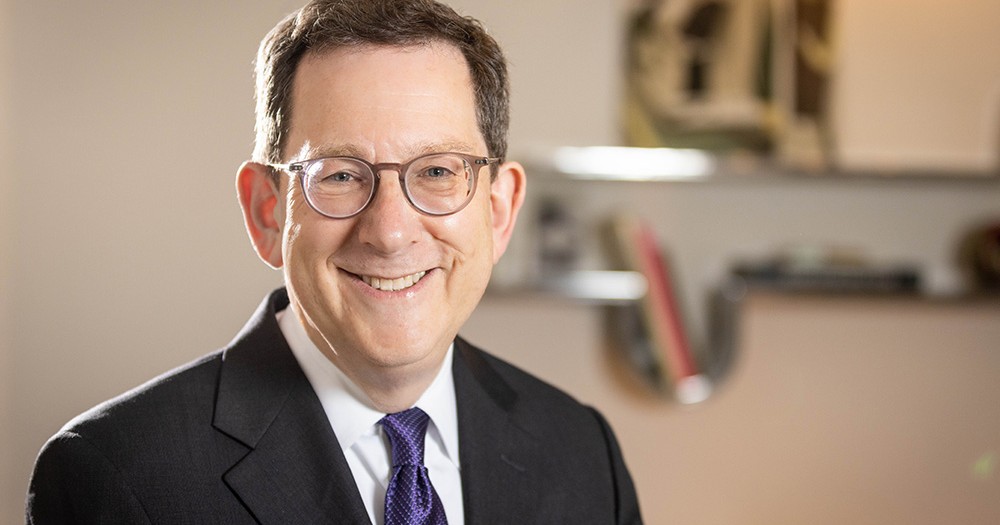
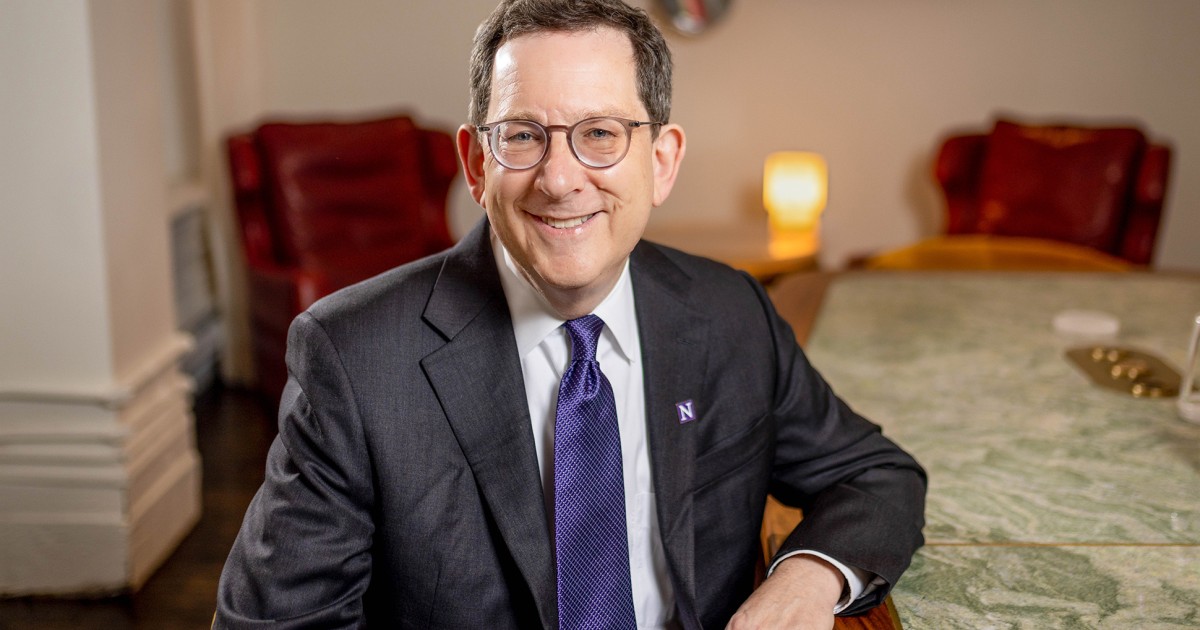
Northwestern University President Michael Schill has stepped down amid escalating controversies over campus antisemitism and federal investigations. His resignation follows mounting pressure from advocacy groups and a $790 million funding freeze by the Trump administration.
The leadership vacuum leaves Northwestern grappling with urgent questions about accountability and campus climate reforms. As the university launches a search for a successor, stakeholders await interim leadership to navigate ongoing scrutiny.
- Northwestern University President Michael Schill resigns amid federal antisemitism investigations and a $790 million funding freeze by the Trump administration.
- The resignation follows mounting criticism over Schill’s handling of campus climate issues, with 78% of Jewish students supporting his departure.
- A nationwide search for Schill’s successor prioritizes candidates with crisis management experience, fundraising skills, and DEI expertise.
- Federal probes will continue examining Northwestern’s administrative responses, resource allocation, and antisemitism training programs.
- The university faces potential short-term impacts on rankings, student satisfaction, and research funding while navigating leadership transition.
Northwestern President Michael Schill Resigns Following Campus Antisemitism Crisis
Northwestern University President Michael Schill has stepped down amid mounting pressure over his handling of alleged antisemitism on campus and ongoing federal investigations. His resignation, effective immediately, comes after months of escalating tensions between the administration, student groups, and political leaders. The Trump administration’s freeze of $790 million in research funding last month ultimately proved to be the final catalyst for Schill’s departure.
The controversy began in 2024 when multiple Jewish student organizations filed federal complaints alleging the university failed to protect students from harassment. Despite implementing new training programs, critics argued Schill’s response lacked urgency. Recent campus surveys showed 78% of Jewish students reporting feelings of insecurity – a statistic that gained national attention during congressional hearings.

Key Events Leading to Resignation
- June 2022: Schill begins presidency focusing on diversity initiatives
- November 2024: First Title VI complaints filed with Dept. of Education
- March 2025: Congressional committee issues subpoena for university records
- August 2025: Trump administration freezes federal funding
Leadership Vacuum: Interim Appointment and Presidential Search Begins
The Board of Trustees has initiated an emergency succession plan while launching a national search for Schill’s permanent replacement. Provost Kathleen Hagerty will serve as interim president, becoming the first woman to lead Northwestern in its 174-year history. The search committee has outlined three critical qualifications for candidates:
| Priority | Candidate Requirements |
|---|---|
| Crisis Management | Experience handling institutional controversies and federal investigations |
| Financial Stewardship | Ability to restore donor confidence and secure research funding |
| Campus Climate | Proven DEI leadership with specific antisemitism prevention experience |
Previous university presidents facing similar controversies have taken 6-12 months to replace, but Northwestern aims to complete the process within eight months. The accelerated timeline reflects concerns about maintaining accreditation and faculty recruitment.
Federal Investigations Continue Amid Leadership Transition
Despite Schill’s resignation, three ongoing federal probes will continue investigating Northwestern’s handling of:
- Alleged civil rights violations under Title VI
- Use of federal grant funds during the controversy period
- Compliance with the Trump administration’s Executive Order 13899 on combating antisemitism
Investigators have confirmed the leadership change won’t affect their timeline, with final reports expected by Q2 2026. The university remains obligated to produce requested documents and make staff available for interviews during the transition.
Potential Consequences
- Financial penalties: Up to 10% of annual federal funding
- Accreditation status: Possible probationary period
- Reputation damage: Impact on rankings and applications
Campus Reactions: Divided Community Faces Uncertain Future
The Northwestern community remains sharply divided over Schill’s departure. A campus-wide survey conducted this week revealed:
| Group | Support Resignation | Oppose Resignation |
|---|---|---|
| Undergraduates | 63% | 37% |
| Graduate Students | 55% | 45% |
| Faculty | 62% | 38% |
| Alumni | 54% | 46% |
Student organizations have planned competing demonstrations this weekend, with some celebrating Schill’s departure while others protest what they call “political interference” in university affairs. The administration has increased security around key buildings in anticipation of potential clashes.
Long-Term Implications for Northwestern’s Academic Standing
Higher education analysts predict Northwestern may experience temporary declines in several key metrics:
- U.S. News Rankings: Potential drop from top 10 to 15-20 range
- Applicant pool: Expected 8-12% decrease next cycle
- Faculty retention: Increased risk of star professors leaving
- Research funding: Continued challenges securing grants
The university’s $16 billion endowment provides some buffer, but development officers report donor concerns about the instability. Several major gifts have been put on hold pending resolution of the leadership situation.
Comparative Case Studies
- Harvard: 14-month recovery after 2023 controversy
- Penn: Still rebuilding reputation after 2024 leadership crisis
- Chicago: Successfully stabilized within 8 months in 2021
Path Forward: Critical Challenges for Northwestern’s Next President
Whoever assumes the presidency will face five immediate priorities:
- Restore federal funding and accreditation standing
- Implement comprehensive campus safety reforms
- Rebuild trust with Jewish student organizations
- Stabilize faculty morale and prevent talent drain
- Launch strategic communications campaign to repair reputation
Search committee members have indicated they’re considering candidates from both academic and non-traditional backgrounds, including former government officials and nonprofit leaders with crisis management experience.

Comments