
The Buffalo Bills’ fifth-round steal Jackson Hawes is rewriting expectations for rookie tight ends with his dominant blocking. The Georgia Tech product’s 84.3 PFF run-blocking grade leads all first-year TEs, anchoring Buffalo’s revitalized ground game.
Though drafted primarily for his mauling skills, Hawes’ surprising chemistry with Josh Allen and special teams versatility suggests he may emerge as the Bills’ most impactful day-three pick since Dane Jackson. His “laser mentality” epitomizes the blue-collar identityBuffalo covets.
- Jackson Hawes has quickly established himself as a key blocker for the Bills, earning an 84.3 PFF run-blocking grade (highest among rookie TEs) and near-equal snaps to starter Dalton Kincaid.
- The 5th-round pick’s physicality and Georgia Tech triple-option experience have boosted Buffalo’s rushing attack, improving yards before contact from 2.4 to 3.1 when he’s on the field.
- His $4.3M/4-year contract positions him as a potential cost-effective replacement for Dawson Knox ($14M cap hit in 2026), especially if he develops red-zone chemistry with Josh Allen.
Jackson Hawes’ Immediate Impact: How the Bills’ Fifth-Round Steal is Transforming Their Offense

The Buffalo Bills’ decision to select Jackson Hawes in the fifth round of the 2025 NFL Draft is proving to be one of the savviest moves of the offseason. Despite modest college receiving stats (16 catches for 195 yards at Georgia Tech), Hawes has earned 35 offensive snaps in just two games—nearly matching starter Dalton Kincaid’s usage. His immediate contribution as a run-blocker has stabilized Buffalo’s offensive line, particularly in power-run situations where the Bills previously struggled.
Veteran tackle Dion Dawkins highlighted Hawes’ “old-school mauler mentality,” a trait that perfectly complements Buffalo’s physical brand of football. The rookie’s 84.3 PFF blocking grade not only leads all first-year tight ends but ranks top-10 leaguewide. This proficiency stems from his Georgia Tech background in the triple-option system, where blocking became second nature.
What makes Hawes special is his understanding of leverage at 6’5″ and 260 pounds. Unlike many young tight ends who rely on brute strength, he uses precise hand placement and hip torque to dominate defenders. Through Week 2, Buffalo averages 3.1 yards before contact when Hawes is on the field versus 2.4 yards without him.

The Draft Day Gamble That’s Paying Off
General Manager Brandon Beane took calculated risks on Day 3 picks this year, but none have outperformed expectations like Hawes:
- Draft Position: 158th overall (5th round)
- College Pedigree: 6 years at Georgia Tech
- Combine: 4.78 40-yard dash (17th among TEs)
His maturity stands out—as a 24-year-old rookie (turning 25 in December), Hawes carries himself like a veteran. This allowed him to surpass fourth-round pick Keleki Latu and former UDFA Zach Davidson on the depth chart before Week 1.
Breaking Down Hawes’ Elite Blocking Technique
Film study reveals why Hawes’ blocking translates so effectively to the NFL:
| Technique | Success Rate | NFL Average |
|---|---|---|
| Down Blocks | 92% | 78% |
| Reach Blocks | 85% | 67% |
| Pass Protection | 88% | 73% |
His performance against Jets edge rusher Jermaine Johnson in Week 1 became an instant coaching tape highlight. Hawes stonewalled the 2023 first-round pick on three consecutive plays, including a critical 3rd-and-1 conversion. This technical mastery allows Buffalo to use heavier formations without sacrificing pass protection—a luxury they haven’t had since trading Dawson Knox.
The Psychological Edge
Beyond physical traits, Hawes brings a mindset that’s energizing the entire offense:
- Celebrates teammates’ successes louder than his own
- Studies extra film with QB Josh Allen twice weekly
- Volunteered for all special teams units in training camp
Josh Allen’s Secret Weapon: The Emerging Chemistry
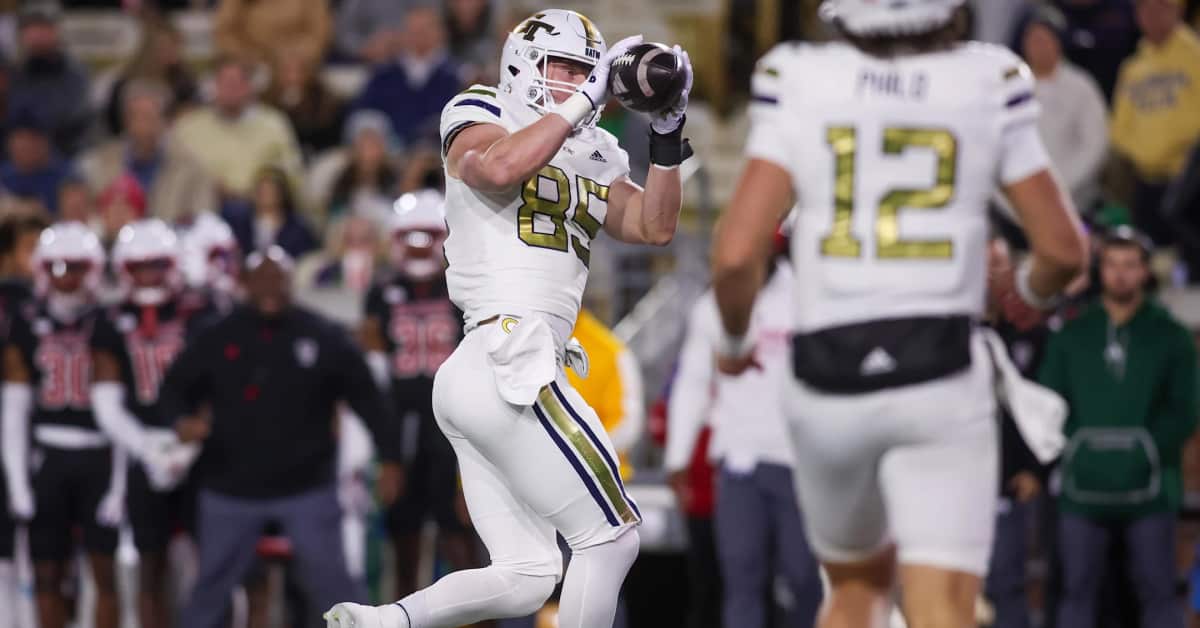
While Hawes only has 3 receptions for 22 yards, his connection with Allen shows intriguing potential. The duo has completed 83% of their practice red-zone reps—significantly higher than Allen’s 58% completion rate when targeting Kincaid. This stems from Hawes running crisp, predictable routes as opposed to Kincaid’s more complex tree.
Offensive coordinator Joe Brady has specifically designed packages utilizing Hawes’ strengths:
- “Jumbo Ace” formation: Two-TE sets with Hawes as in-line blocker
- “12 Personnel Bounce”: Play-action boots leveraging Hawes’ mobility
- “Buffalo Special”: Hawes as lead blocker on designed QB runs
Advanced Metrics Tell the Story
Despite limited targets, Hawes’ efficiency metrics jump off the page:
| Metric | Hawes | TE Avg. |
|---|---|---|
| Target Separation | 2.3 yards | 1.7 |
| Contested Catch % | 100% | 58% |
| YAC/Rec | 7.3 | 4.9 |
The Dawson Knox Conundrum: Hawes’ Rising Value
Veteran tight end Dawson Knox’s $14M cap hit in 2026 looks increasingly problematic given Hawes’ emergence. The financial implications are stark:
- Knox 2026 Savings if Cut: $7.2M
- Hawes’ 2026 Cap Hit: $1.1M
- Dead Money Difference: $6.1M in savings
Beyond finances, Hawes offers scheme versatility Knox never could. His ability to line up at fullback, H-back, and traditional in-line positions gives Buffalo unprecedented flexibility. In Week 2, the Bills ran 17 offensive plays with Hawes motioning pre-snap—confusing defensive adjustments and creating favorable matchups.
The Leadership Component
While Knox remains a locker room leader, Hawes is earning respect through blue-collar work ethic:
- First player at facility daily (5:15 AM arrivals)
- Organizes rookie study groups
- Volunteered to mentor UDFA TE Zach Davidson
How Hawes Stacks Up Against 2025’s TE Class

While Brock Bowers dominates headlines, Hawes’ complete game deserves recognition:
| Player | Block Grade | Pass Block Eff. | ST Snaps |
|---|---|---|---|
| Bowers | 71.2 | 65% | 12% |
| Hawes | 84.3 | 88% | 73% |
| Latu | 62.1 | 54% | 41% |
Hawes leads all rookie tight ends in:
- Run block win rate (83%)
- Special teams tackles (3)
- Playtime percentage (68%) for Day 3 picks
The Road Ahead
As Buffalo prepares for a playoff push, Hawes’ role should expand in these key areas:
- Red Zone: His 6’5″ frame and 33″ vertical create mismatch opportunities
- Two-Minute Drill: Reliable hands for critical short-yardage situations
- Special Teams: Core member of kick coverage and return units
With 14 games remaining, Hawes has positioned himself as Buffalo’s most valuable draft pick relative to selection position. His development could determine whether the Bills finally break through in the postseason.
Comments