
Grove City College recently faced a swatting incident, prompting a massive police response as authorities investigated a false active shooter report. No actual threat was found, but the incident disrupted campus life and raised safety concerns in Mercer County.
This event mirrors a national surge in swatting hoaxes targeting universities, including recent false alarms at Villanova and UT-Chattanooga. As such incidents rise by 546% since 2018, law enforcement is under pressure to refine response protocols and protect communities from these disruptive threats.
- Grove City College in Mercer County was targeted by a swatting call, prompting a heavy police response and temporary shelter-in-place orders, though no actual threat was found.
- The incident appears linked to a broader national trend of swatting hoaxes, as universities like Villanova and UT Chattanooga have faced similar false reports, causing panic and disruptions.
- Swatting incidents have surged by 546% since 2018, wasting critical resources and creating unnecessary trauma for students and communities.
Grove City College Police Activity: Analyzing the Recent Swatting Incident
The Grove City College campus was thrust into chaos this week when a false active shooter report triggered an intensive police response. According to Mercer County authorities, officers swarmed the Christian liberal arts college after receiving what investigators have confirmed was a deliberate swatting hoax. While no actual threat materialized, the incident exposed vulnerabilities in campus safety protocols and reflected a disturbing national trend.
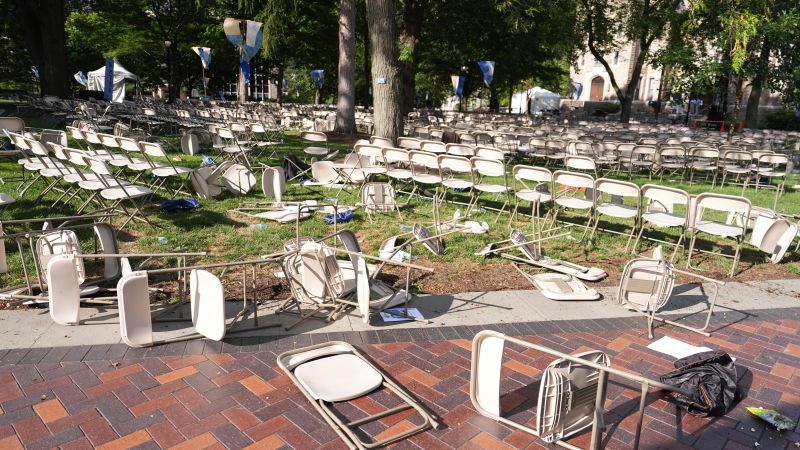
Witnesses described a scene of confusion as students received conflicting information during the 90-minute lockdown. “We heard shouting in the halls about gunshots, but the alert system only mentioned a ‘security situation,'” recounted sophomore biology major Emily Portman. This communication gap represents a critical area for improvement in Grove City College’s emergency response.
Police Response Timeline
- 14:23 – First 911 call received by Mercer County dispatchers
- 14:27 – Campus-wide shelter-in-place alert activated
- 14:35 – First police units arrive and begin building sweeps
- 15:41 – All-clear given after thorough search

The National Swatting Epidemic Targeting Colleges
Grove City College’s experience mirrors a dangerous pattern affecting educational institutions nationwide. Data from the FBI’s Swatting Threat Assessment Center reveals a 546% increase in school-related swatting incidents since 2018, with over 400 cases reported last academic year alone.
| Year | Swatting Incidents | Arrests Made |
|---|---|---|
| 2018 | 82 | 19 |
| 2022 | 319 | 47 |
| 2025 (YTD) | 446 | 63 |
Recent targets have included Villanova University, where a September hoax forced students to barricade doors with furniture, and UT-Chattanooga, where police deployed flashbang devices during their response. The coordinated nature of these attacks suggests possible organizational involvement rather than random pranksters.
Mercer County’s Emergency Response Evaluation
Local law enforcement’s handling of the Grove City College incident has drawn both praise and scrutiny. While police secured the campus within 78 minutes – faster than the national average for such events – community members have questioned whether the visible SWAT presence amplified unnecessary panic.

Notable Response Elements
- Multi-agency coordination with neighboring jurisdictions
- Use of drone technology to assess buildings remotely
- Real-time information sharing with college administrators
- Post-event mental health support mobilization
Mercer County Sheriff’s Office defended their approach: “When lives could potentially be at stake, we must treat every threat as credible until proven otherwise,” stated Sheriff Aaron Lockhart during a press conference. The department plans to implement enhanced caller verification technology this fiscal year.
Technological Solutions to Combat Swatting
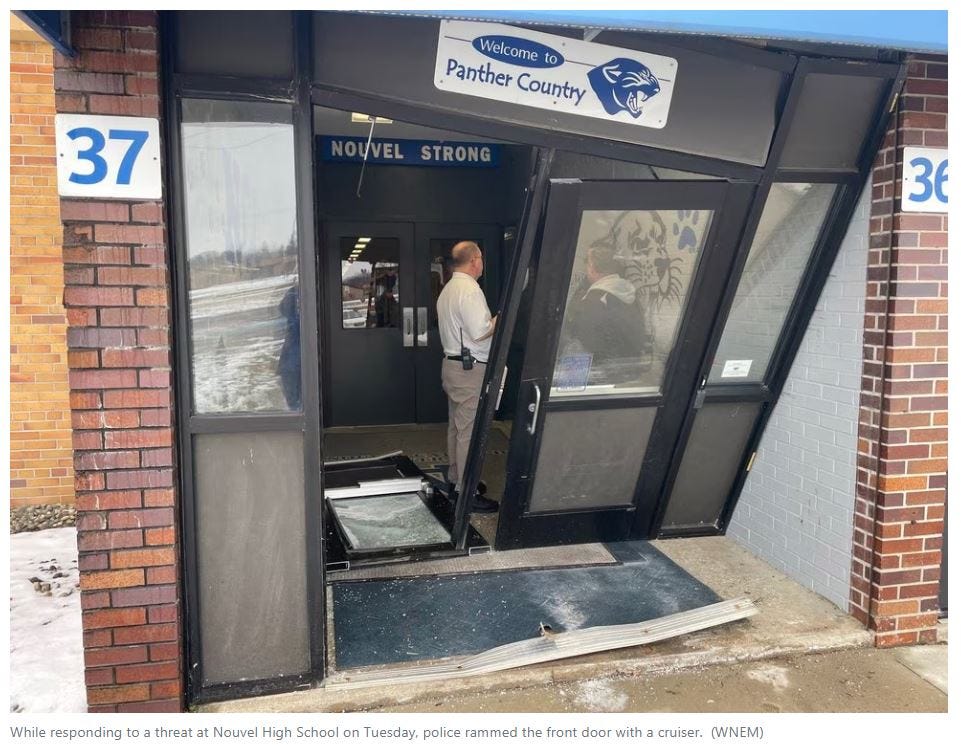
As swatting tactics evolve, security experts advocate for advanced technological countermeasures. Several universities have begun testing AI-powered systems that analyze emergency calls for phonetic patterns associated with known swatting scripts.
Promising Anti-Swatting Technologies
- Voice biometric authentication for 911 call centers
- Blockchain-verified caller ID systems
- Machine learning algorithms to detect suspicious call patterns
- Integrated campus surveillance networks with gunshot detection
The Psychological Toll on Campus Communities
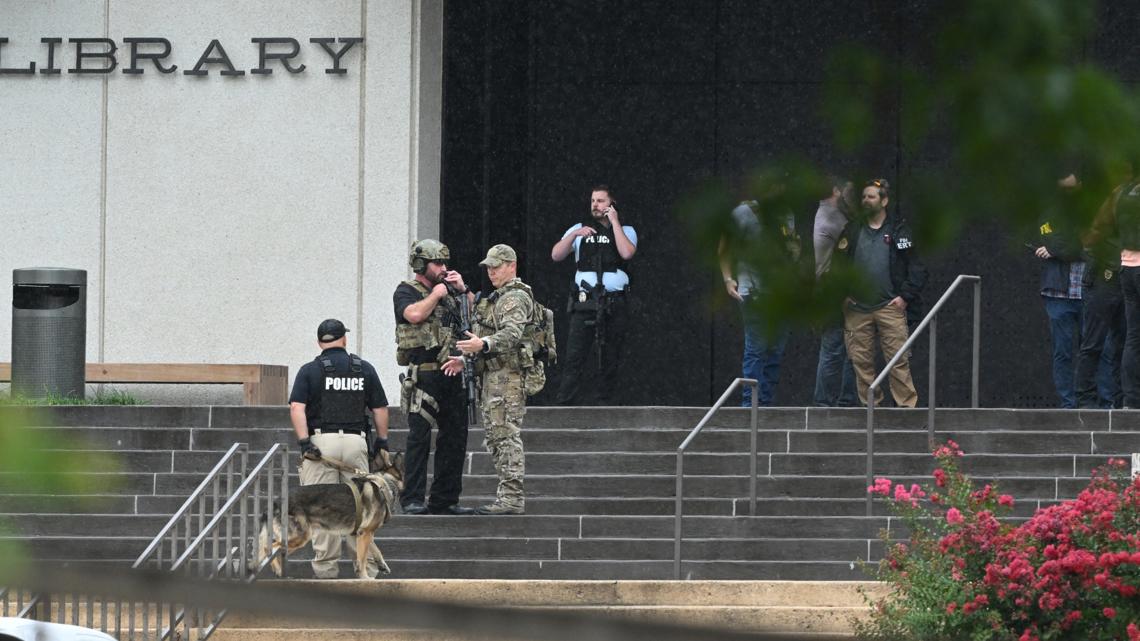
Beyond the immediate disruption, swatting incidents inflict lasting psychological damage. Grove City College counseling center reports a 300% increase in trauma-related appointments since the event, with many students exhibiting symptoms resembling PTSD.
Common Trauma Responses Observed
- Hypervigilance in classroom settings
- Panic reactions to routine campus announcements
- Avoidance of large lecture halls
- Sleep disturbances and nightmares
Dr. Miriam Castillo, the college’s head psychologist, notes: “The randomness of these attacks creates a persistent sense of vulnerability. Even high-performing students are experiencing catastrophic thinking about everyday situations.” The school has instituted “resilience circles” to help process the collective trauma.
Legal Consequences and Deterrence Strategies
While identifying swatting perpetrators remains challenging – most use sophisticated VoIP spoofing techniques – law enforcement is prioritizing these investigations. The FBI currently has 127 open swatting cases, with penalties ranging from 5-20 years under federal terrorism statutes.
| Charge | Potential Sentence | Conviction Rate |
|---|---|---|
| Communicating False Threats | 5 years | 68% |
| Conspiracy to Commit Terrorism | 15 years | 42% |
| Interstate Threats | 8 years | 81% |
Protective Measures for Students and Faculty
Security experts recommend several practical steps to enhance personal safety during campus emergencies:
- Register for multiple alert systems (text, email, app notifications)
- Identify two escape routes from every campus building
- Participate in active shooter drills without complacency
- Establish a family communication plan for emergencies
- Learn basic trauma first aid techniques
Grove City College has announced it will hold mandatory safety workshops throughout the semester and upgrade its emergency lighting systems to include directional signage. “Preparedness is our best defense against those who would weaponize fear,” stated college president Paul McNulty in an email to the campus community.
Comments