
As new U.S. cryptocurrency ATM regulations take effect in 2025, users must stay alert to growing fraud risks. Scammers are increasingly targeting vulnerable individuals, particularly seniors, through Bitcoin kiosks and fake support schemes.
Recent legislation proposes crucial safeguards including $2,000 daily transaction limits and mandatory identity verification. This comes after reported losses exceeding $645,000 in senior-targeted crypto ATM scams alone.
Understanding these emerging threats and protective measures is essential for navigating the crypto landscape safely. Below are expert tips to spot red flags and avoid becoming another statistic.
- US Senators Cynthia Lummis and Kirsten Gillibrand are pushing for crypto ATM fraud protections in an upcoming market structure bill, following reports of over $645,000 in scams targeting seniors.
- Proposed regulations include daily transaction limits ($2,000) and 14-day caps ($10,000), with mandatory identity verification for transfers over $500 and refunds for fraud reported within 30 days.
- Seniors account for 40% of crypto ATM fraud losses, with average losses of $35,000 due to government impersonation and romance scams.
- Experts recommend verifying ATM legitimacy by checking for tampering, operator licenses, and fee transparency, while scammers increasingly shift to peer-to-peer platforms as regulations tighten.
How to Spot and Avoid Crypto ATM Scams as New US Regulations Take Effect in 2025

As cryptocurrency adoption grows, so do scams targeting users through crypto ATMs. With new US regulations set to take effect in 2025, understanding these threats becomes crucial. The FBI reports crypto ATM fraud losses exceeding $246 million in 2023 alone, with seniors being particularly vulnerable targets.
These machines, which allow quick conversion between cash and cryptocurrency, have become weapons for sophisticated scammers. The upcoming regulations spearheaded by Senators Cynthia Lummis and Kirsten Gillibrand aim to implement crucial protections. Financial experts warn that education remains the first line of defense as scammers constantly evolve their tactics.

Why Crypto ATMs Are Prime Targets for Scammers
- Irreversible transactions make recovery nearly impossible
- Pseudo-anonymous operation provides cover for criminals
- Limited operator oversight in many locations
Common Crypto ATM Scams You Need to Recognize
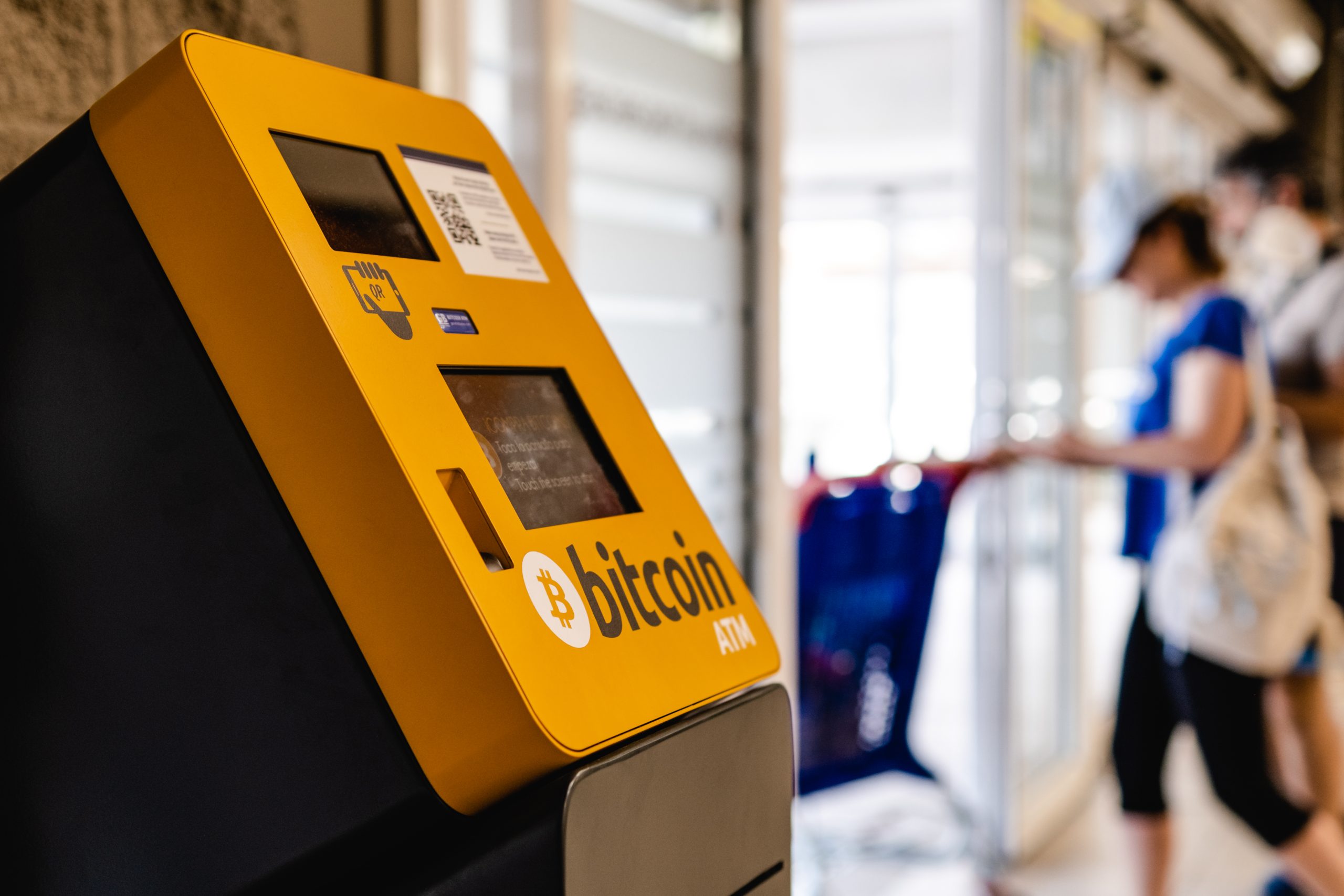
Criminals have developed numerous sophisticated schemes to exploit crypto ATMs. The most prevalent include government impersonation scams, where fraudsters pose as IRS or law enforcement agents demanding immediate payment. Romance scams account for 23% of crypto fraud cases, with victims tricked into sending money to someone they met online.
Tech support scams are particularly dangerous, often targeting older adults unfamiliar with cryptocurrency. Scammers convince victims their computers are compromised and demand payment via crypto ATM to “fix” non-existent issues. These scams frequently use urgent language and threats to pressure victims into acting quickly without thinking.
Red Flags of a Crypto ATM Scam
- Requests for payment in cryptocurrency to resolve legal or technical issues
- Pressure to act immediately without time to verify claims
- Requests to pay at specific machines or locations
- Demands to keep transactions secret from family or banks
Understanding the New 2025 Crypto ATM Regulations
The proposed Crypto ATM Fraud Prevention Act introduces several important protections. Key provisions include a $2,000 daily transaction limit and a $10,000 rolling 14-day limit for individual users. Operators will be required to verify identity for transactions exceeding $500 and provide clear refund procedures for scam victims.
| Regulation Feature | 2025 Requirement |
|---|---|
| Daily Limit | $2,000 |
| 14-Day Limit | $10,000 |
| ID Verification | Required for $500+ transactions |
| Refund Window | 30 days for reported fraud |
How to Safely Use Crypto ATMs in the New Regulatory Environment
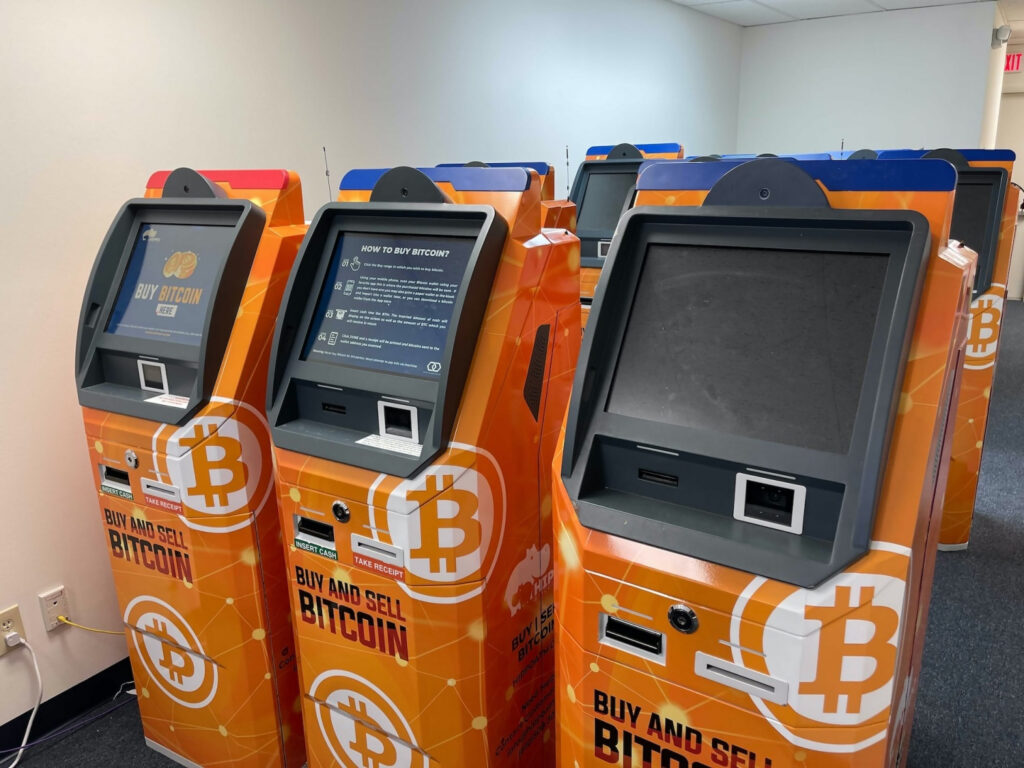
Even with new regulations, personal vigilance remains essential. Always verify the physical machine for signs of tampering before use. Compare displayed fees with the operator’s website, as scam ATMs often charge exorbitant hidden fees. Use machines located in secure, monitored environments like bank lobbies rather than isolated convenience stores.
Develop a checklist before making any transaction:
- Confirm the operator’s license with state authorities
- Research complaint history through consumer protection agencies
- Verify wallet addresses multiple times before sending
- Start with small test transactions for new machines
What to Do If You’ve Fallen Victim to a Crypto ATM Scam
Time is critical when responding to crypto fraud. Immediately contact local law enforcement and file a police report with all transaction details. Notify the ATM operator in writing and preserve all communication with scammers. Report the incident to the FTC and FBI’s Internet Crime Complaint Center (IC3).
While recovery of stolen cryptocurrency is difficult, prompt reporting increases chances of identifying theft patterns and potentially freezing funds before they’re laundered. Some states are establishing victim compensation funds as part of their crypto regulations.
Essential Contacts for Scam Victims
- Local police non-emergency line
- FTC Complaint Assistant (ReportFraud.ftc.gov)
- FBI IC3 (ic3.gov)
- State financial regulatory agencies
- Crypto ATM operator customer service
The Future of Crypto ATM Regulations and Security
As the 2025 regulations take effect, industry experts predict several developments. Real-time transaction monitoring using AI could become standard, with systems flagging suspicious patterns. Blockchain analytics integration may help trace stolen funds more efficiently. Some operators are experimenting with cooling-off periods for large transactions.
Biometric verification might replace current ID checks, providing better security without compromising accessibility. The industry is also exploring insurance options for transaction protection, though these remain limited currently. As scammers adapt, regulations will need continuous updates to remain effective.
Comments