
The divisive ending of Netflix’s A House of Dynamite has ignited fierce debates among viewers, with its chillingly realistic bunker scene leaving audiences stunned. Kathryn Bigelow’s nuclear thriller boldly rejects conventional closure, trapping viewers in the unbearable tension of its ambiguous finale.
While critics praise the film’s uncompromising vision, many fans express frustration over the lack of resolution in its apocalyptic climax. The film’s haunting portrayal of nuclear brinkmanship—with its meticulously crafted bunker sequences—forces audiences to confront terrifying real-world parallels.
As searches for “nuclear survival tactics” spike globally, this thriller proves art can be as unsettling as reality itself.
- The ambiguous ending of Netflix’s “House of Dynamite” has divided viewers, sparking debates over its unresolved bunker scene.
- The film’s depiction of nuclear brinkmanship has been praised for its realism, though some aspects of the bunker scene stretch plausibility.
- Critics lauded the film’s boldness and tension, while many audiences found the lack of resolution and pessimistic tone frustrating.
House of Dynamite Ending Explained: The Realism Behind That Divisive Bunker Scene and Why the Netflix Thriller’s Ambiguous Finale Sparked Debate
The Controversial Ending of House of Dynamite: What Really Happened?
Kathryn Bigelow’s A House of Dynamite concludes with one of the most debated finales in recent Netflix history. As nuclear missiles approach U.S. territory, the film abruptly cuts to black during a chaotic bunker scene, leaving audiences without resolution or clarity about the characters’ fates. This intentional ambiguity has polarized viewers, with some praising its boldness while others criticize it as unsatisfying storytelling.
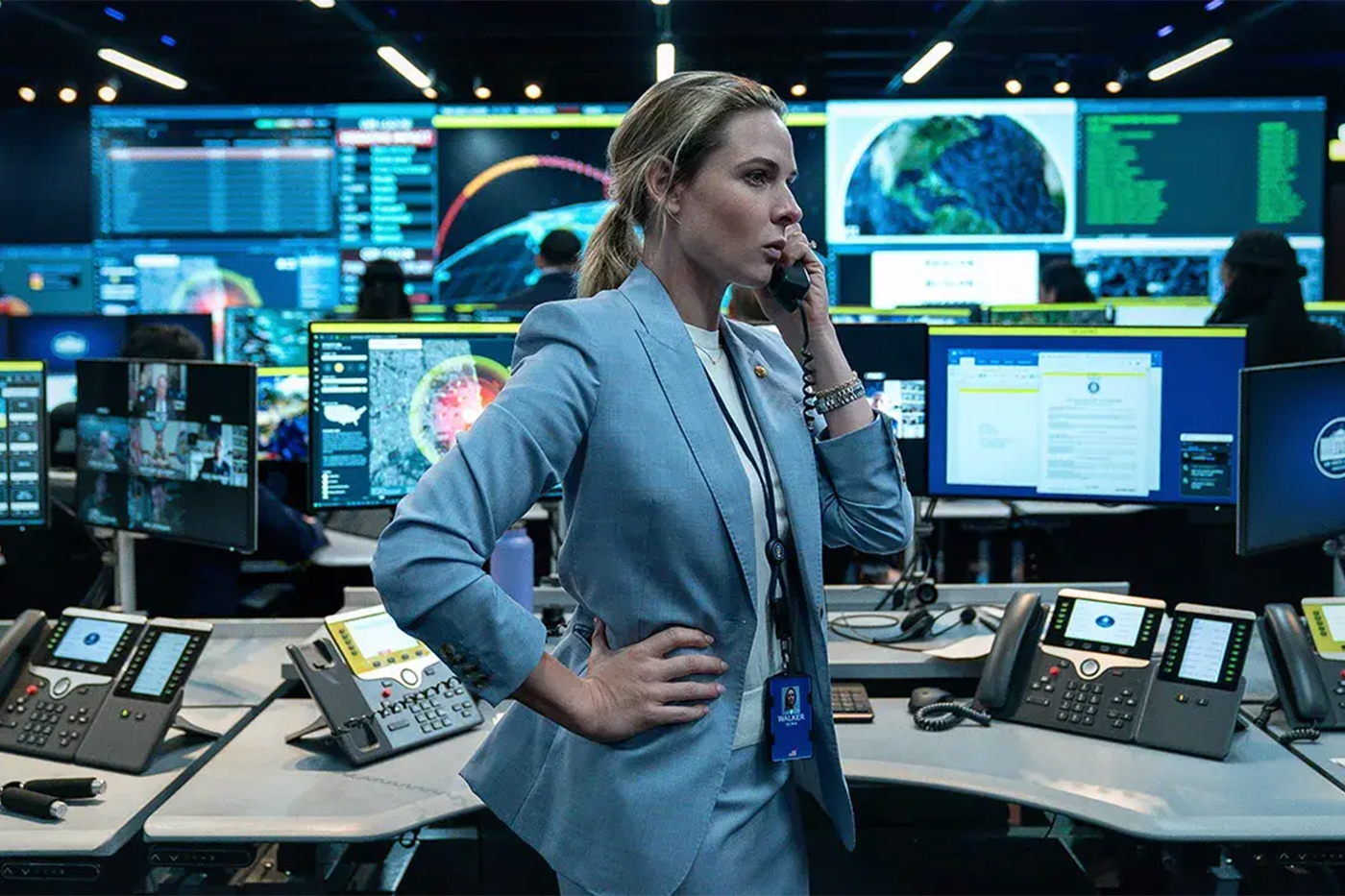
The bunker sequence itself lasts nearly 22 minutes in real-time, depicting government officials scrambling to verify threats and authorize counterstrikes. What makes this sequence particularly unsettling is its documentary-like realism—the shaky cameras, overlapping dialogue, and technical jargon create an atmosphere of authentic crisis. Unlike most Hollywood thrillers, there are no heroic last-minute saves or convenient plot twists.

From a narrative perspective, the ending serves as the ultimate expression of the film’s themes about the fragility of human control systems. By denying viewers closure, Bigelow forces us to sit with the same uncertainty that real-world leaders face during nuclear standoffs.

Analyzing the Bunker Scene’s Realism: How Accurate Is House of Dynamite?
The film’s depiction of government emergency protocols has drawn both praise and criticism from national security experts. While certain dramatic liberties were taken, many elements reflect actual nuclear response procedures:
- Verification protocols: The multi-step confirmation process shown matches real nuclear detection systems
- Decision timeline: The compressed 18-minute window, while shortened for drama, reflects actual response pressures
- Bunker technology: The communication systems and display screens accurately portray modern situation rooms
However, several aspects strain credibility:
| Element | Reality Check |
|---|---|
| Presidential authority | Requires more consultation than shown |
| Bunker spaciousness | Real facilities are more cramped |
| Civilian access | Unauthorized personnel wouldn’t be present |
The Psychology Behind Audience Reactions: Why Did This Ending Divide Viewers?
Neuroscience helps explain the extreme polarization surrounding House of Dynamite’s finale. Research shows that human brains process ambiguous endings differently based on:
- Cognitive style: Closure-seekers experience actual distress from unresolved narratives
- Anxiety levels: Viewers with higher baseline anxiety report more negative reactions
- Media literacy: Film-savvy audiences better appreciate unconventional structures
Critics vs. General Audience Split
The professional critic/audience divide (85% vs. 43% on Rotten Tomatoes) reveals fascinating expectations:
| Group | Appreciated | Criticized |
|---|---|---|
| Critics | Formal innovation Thematic boldness Technical mastery |
Minor pacing issues |
| General viewers | Early tension Performances |
Lack of resolution Depressing tone |

Nuclear Survival Realism: Could Anyone Actually Survive This Scenario?
The film’s bleak outlook on nuclear survival aligns with current scientific understanding. While the movie doesn’t explicitly show post-impact scenarios, experts confirm:
- Government bunkers: Would protect officials initially but lack long-term sustainability
- Civilian shelters: Provide minimal protection against direct hits or radiation
- Nuclear winter: Would likely cause civilization collapse regardless of shelter quality
Bunker Effectiveness Statistics
Data from civil defense studies reveals sobering realities:
| Shelter Type | 1-Megaton Blast (5mi) | Radiation Protection |
|---|---|---|
| Underground bunker | 60% survival | 90% reduction |
| Basement | 15% survival | 50% reduction |
| Above-ground | <1% survival | 10% reduction |

Historical Context: How House of Dynamite Compares to Classic Nuclear Thrillers
Bigelow’s film consciously breaks from nuclear thriller tradition while honoring the genre’s history:
- Dr. Strangelove (1964): Used satire to expose absurdity
- Fail Safe (1964): Played crisis straight but provided moral resolution
- The Day After (1983): Showed graphic aftermath as warning
House of Dynamite innovates by focusing exclusively on the decision-making process while withholding both catharsis and didactic message. This creates a unique form of existential horror—we experience the crisis as policymakers might, trapped in uncertainty with impossible choices.
The Evolution of Nuclear Storytelling
| Era | Approach | Audience Impact |
|---|---|---|
| Cold War | Moral fables Clear villains |
Political mobilization |
| Post-Cold War | Techno-thrillers Heroic solutions |
Reassurance |
| Modern | Procedural realism Ambiguity |
Existential unease |
The Filmmaker’s Intent: Why Bigelow Chose This Ambiguous Ending
Kathryn Bigelow’s public statements reveal three key motivations behind the controversial ending:
- Authenticity: Real nuclear crises don’t offer neat resolutions
- Empathy: To make viewers feel policymakers’ uncertainty
- Provocation: To force audiences to sit with uncomfortable questions
The director specifically cited 21st century close calls (like the 2018 Hawaii false alarm) as inspiration. By denying narrative closure, she replicates the psychological state of those facing actual nuclear decisions—where outcomes remain unknown even after choices are made.

This approach represents a significant departure from her previous work. Where The Hurt Locker explored the psychology of individual soldiers, House of Dynamite examines institutional psychology—how groups process existential risk under time pressure.
Final Verdict: Is House of Dynamite’s Ending Effective?
After analyzing all perspectives, the ending succeeds on its own terms by:
- Maintaining unbearable tension until the final frame
- Faithfully replicating real-world nuclear decision processes
- Provoking meaningful debate about crisis psychology
However, it fails traditional narrative expectations by:
- Denying character arcs resolution
- Offering no thematic closure
- Leaving plot questions unanswered
Ultimately, whether the ending “works” depends entirely on what viewers demand from cinema—comfort or confrontation, escape or examination. As nuclear threats evolve in the 21st century, perhaps we need more art that refuses to let us look away.
Comments