
The dazzling aurora borealis northern lights are creating rare celestial displays across unprecedented latitudes, with recent sightings reported as far south as Florida. A powerful G4 geomagnetic storm, triggered by multiple solar flares, is expanding visibility beyond typical polar regions while potentially disrupting GPS and communication systems.
Tonight presents another extraordinary opportunity to witness vibrant green and purple auroral ribbons, especially between 10 PM and 2 AM local time. As solar activity peaks during its 11-year cycle, these otherworldly light shows serve as a stunning reminder of Earth’s connection to our dynamic sun.
- A powerful G4 geomagnetic storm has triggered rare aurora sightings as far south as Florida and Texas, with ongoing solar activity expected to peak tonight.
- The X5.1-class solar flare (2025’s strongest) has disrupted radio communications in Europe/Africa and may cause intermittent GPS/mobile network issues.
- Optimal aurora viewing occurs between 10 PM – 2 AM local time, with smartphone photography tips including 5-30s exposures and ISO 800-3200 settings.
- NOAA warns the solar maximum phase will likely produce more frequent auroral displays through 2026, with colors varying by altitude and atmospheric gases.
- Critical infrastructure protections are in place, but power grid fluctuations remain possible during peak storm activity.
Aurora Borealis Northern Lights: Best Viewing Times, Solar Storm Impact on Tech, and Photography Tips

Where and When to See the Aurora Borealis Tonight
The aurora borealis northern lights are creating spectacular displays across unprecedented latitudes due to an ongoing G4-class geomagnetic storm. NOAA’s Space Weather Prediction Center confirms this is the most intense solar storm since 2003, with visibility potentially extending as far south as Florida and Texas tonight.
Optimal viewing occurs between 10 PM and 2 AM local time when:
- The Earth’s magnetic field aligns favorably with solar wind
- Darkness is most complete
- Geomagnetic activity typically peaks
Key locations with high probability (70%+) include:
| Region | KP Index |
|---|---|
| Fairbanks, Alaska | 8 |
| Yellowknife, Canada | 7 |
| Northern Minnesota | 6 |

The Science Behind the Solar Storm’s Tech Disruptions
Three X-class solar flares erupted from sunspot AR4274 between November 10-12, including:
- X5.1 flare (strongest of 2025)
- X3.8 flare
- X2.4 flare
These eruptions have caused:
- High-frequency radio blackouts across Europe/Africa
- GPS accuracy errors up to 50 meters
- Potential voltage control issues in power grids

Photographing the Northern Lights: Pro Techniques
Capturing auroras requires understanding these key settings:
| Equipment | Recommendation |
|---|---|
| Camera | DSLR/mirrorless with manual controls |
| Lens | Wide-angle (14-24mm) f/2.8 or faster |
| ISO | 1600-6400 (balance noise/sensitivity) |
For smartphone users:
- Use night mode
- Stabilize with tripod or solid surface
- Manual focus set to infinity
- 3-10 second exposure
Advanced Composition Tips
Include foreground elements like:
- Mountains or trees for scale
- Water reflections for symmetry
- Man-made structures for contrast
Understanding Aurora Colors and Patterns
The mesmerizing light show results from solar particles colliding with atmospheric gases:
| Color | Cause | Altitude |
|---|---|---|
| Green | Oxygen | 100-300km |
| Red | Oxygen | 300+km |
| Purple | Nitrogen | Below 100km |
Current storm conditions are producing rare displays with:
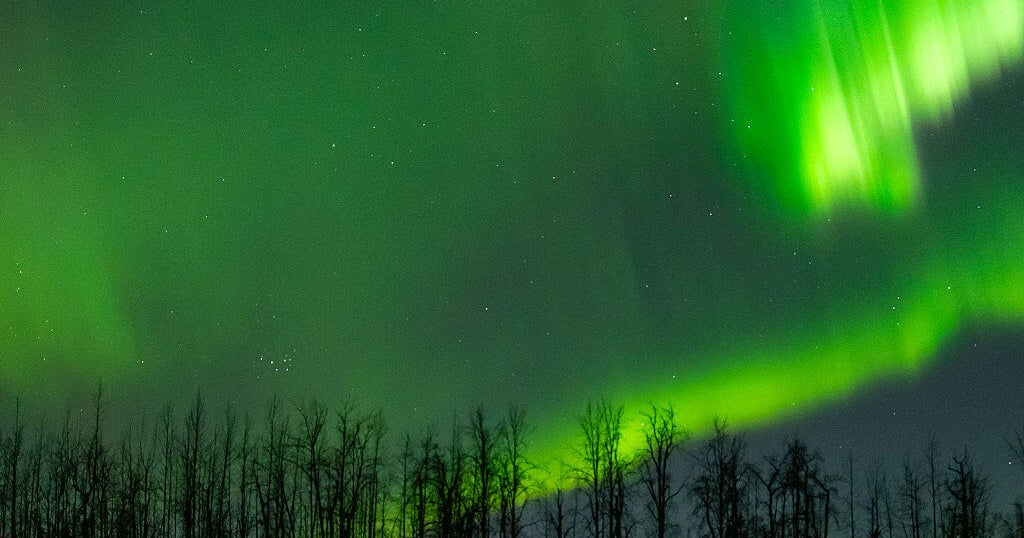
- Vibrant green curtains
- Purple fringes
- Occasional red coronas
Historical Context of Major Solar Storms
While impressive, the current event pales compared to historical benchmarks:
- 1859 Carrington Event: Telegraph systems failed worldwide
- 1989 Quebec Blackout: 9-hour power outage affecting millions
- 2003 Halloween Storms: Satellite and aviation disruptions
What makes 2025 unique is our increased technological dependence combined with:
- More precise forecasting
- Global instant communication
- Widespread public interest
Future Aurora Viewing Opportunities
With solar maximum continuing through 2026, expect:
- More frequent auroras at lower latitudes
- Increased chance of X-class flares
- Potential for even more intense storms
Best upcoming viewing periods:
| Timeframe | Predicted Activity |
|---|---|
| December 2025 | High (KP 7+) |
| March 2026 | Moderate (KP 5-6) |
Comments