
At least 34 tourists perished when the “Wonder Sea” cruise ship capsized in Vietnam’s Ha Long Bay during a violent thunderstorm, as survivors revealed critical safety failures including missing life jackets.
The tragedy exposes glaring gaps in maritime safety protocols, with operators allegedly ignoring advance warnings about approaching Storm Wipha. As rescue teams search for 8 missing passengers, authorities face mounting pressure to explain how a licensed tourist vessel could sink so rapidly despite weather alerts.
This disaster strikes at the heart of Vietnam’s booming tourism industry, raising urgent questions about profit priorities over passenger safety in one of Asia’s most iconic destinations.
- At least 34 people died when the “Wonder Sea” tourist boat carrying 53 passengers capsized during a violent thunderstorm in Vietnam’s Ha Long Bay, with 8 still missing.
- Survivors reported missing life jackets during the emergency, violating Vietnamese maritime safety regulations, while operators ignored warnings about approaching Storm Wipha.
- The tragedy exposes systemic safety failures in Vietnam’s booming tourism industry, including lax enforcement of weather protocols and inadequate crew training.
- Ha Long Bay’s 2,000-island geography complicates safety oversight, with similar past incidents suggesting regulatory gaps despite the UNESCO site’s popularity.
Ha Long Bay Tourist Boat Tragedy: Why Life Jackets Were Missing as Storm Wipha Warnings Went Unheeded

The Catastrophic Sinking: Timeline of the Wonder Sea Disaster
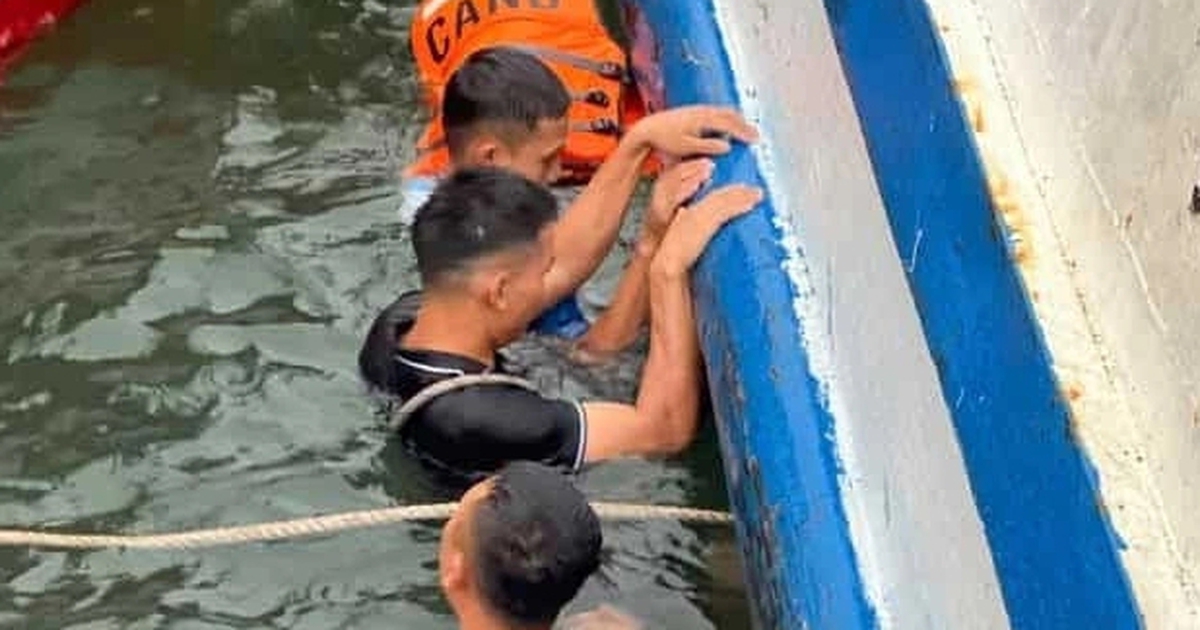
On Saturday afternoon, the “Wonder Sea” cruise ship carrying 53 passengers capsized in Ha Long Bay during a violent thunderstorm. Witnesses reported the vessel tilted alarmingly before losing GPS contact at 2:05 p.m., sinking completely within 35 minutes. Rescue teams recovered 34 bodies while searching for 8 missing individuals in challenging weather conditions.
The rapid capsizing suggests possible structural failures or improper weight distribution aboard the tourist vessel. Maritime safety experts note that modern boats should withstand sudden storms better, raising questions about maintenance standards. Survivors described chaotic scenes where passengers couldn’t locate life jackets as water flooded the lower decks.

Critical Safety Failures Aboard
Vietnamese regulations mandate life jackets for all passengers, yet multiple survivors confirmed their absence during the emergency. The boat’s captain is under investigation for allegedly proceeding despite Storm Wipha warnings. Records show the Wonder Sea had valid operating licenses, but enforcement of safety protocols appears lax.
Ignored Warnings: How Storm Wipha Factors Into the Tragedy
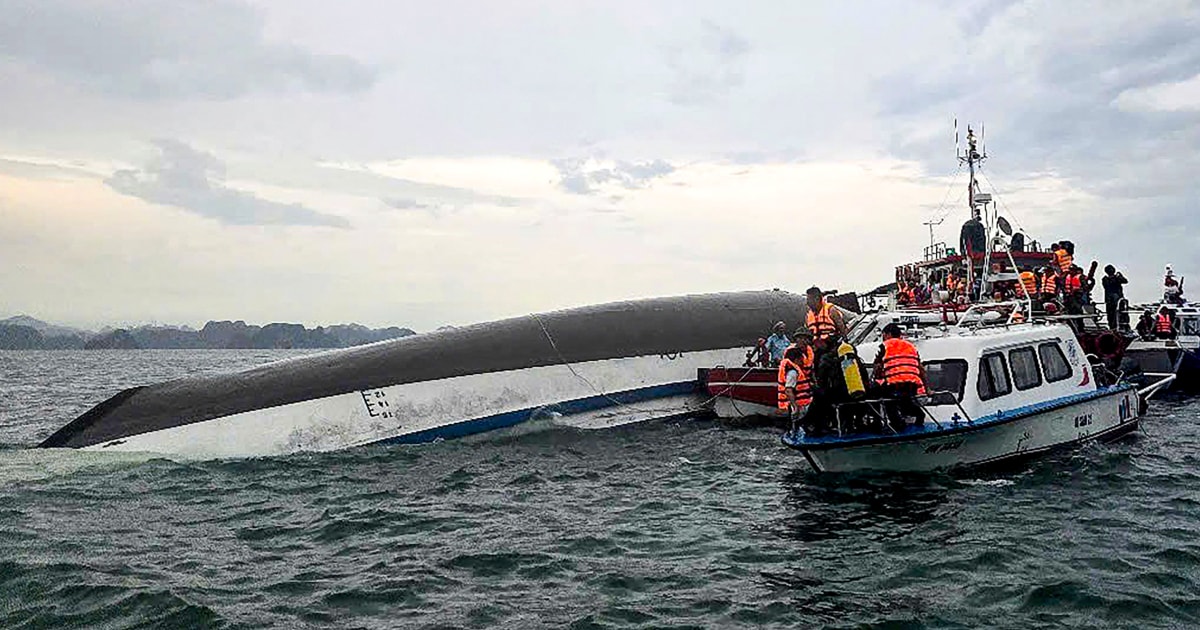
Meteorologists had issued Storm Wipha warnings three days prior, predicting dangerous conditions for Ha Long Bay. Despite this, multiple tour operators including Wonder Sea’s company proceeded with scheduled excursions. The competitive tourism industry pressures operators to maintain schedules regardless of weather forecasts, prioritizing profits over passenger safety.
The Deadly Economics of Tourism
With Ha Long Bay attracting over 7 million visitors annually, operators face intense pressure to maximize revenue during peak seasons. Canceling tours means refunding deposits and losing precious income in Vietnam’s price-sensitive market. This creates perverse incentives to downplay storm risks until it’s too late.
Safety Standards in Question: Vietnam’s Maritime Regulations
While Vietnam has comprehensive maritime laws on paper, enforcement remains inconsistent across Ha Long Bay’s 2,000 islands. Tourist boats operate under different standards than commercial vessels, with less frequent inspections. Key deficiencies include:
- Inadequate crew training for emergency scenarios
- Outdated safety equipment on older vessels
- Lax enforcement of passenger capacity limits
How Vietnam Compares Regionally
After Thailand’s 2018 Phuket disaster that killed 47 tourists, the country implemented strict new regulations including mandatory GPS tracking and weather monitoring systems. Vietnam currently lacks such requirements despite similar tourism volumes.
Historical Context: Tourist Boat Incidents in Ha Long Bay
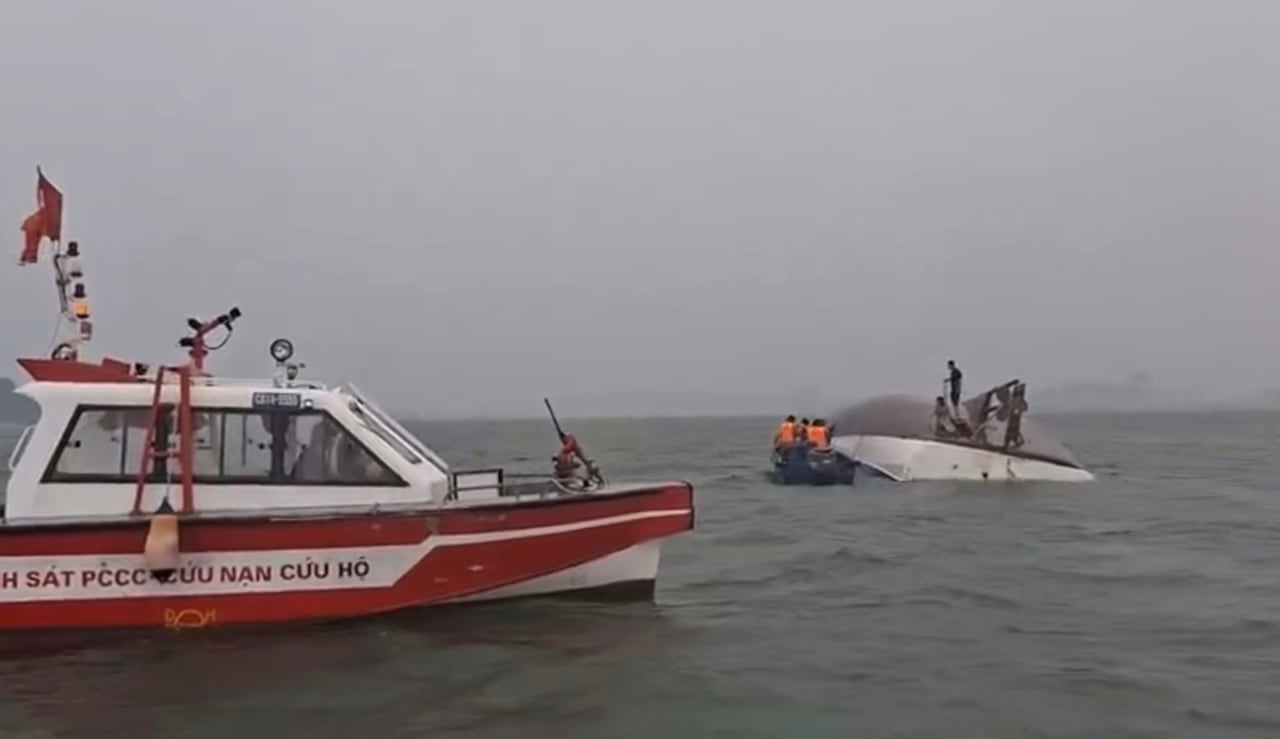
The Wonder Sea tragedy represents Vietnam’s deadliest maritime disaster in recent years, but smaller incidents occur frequently. Official statistics likely underreport minor accidents to protect tourism revenue. Verified incident data shows:
| Year | Reported Incidents | Fatalities |
|---|---|---|
| 2024 | 7 | 3 |
| 2023 | 11 | 8 |
The Path Forward: Reforming Vietnam’s Tourism Safety Standards
The Wonder Sea disaster presents an opportunity for systemic change. Necessary reforms include:
- Mandatory real-time weather monitoring systems
- Increased random safety inspections
- Stricter penalties for violations
- Modernization of aging fleets
Balancing Safety and Economic Realities
While stricter regulations may increase operational costs, the long-term benefits for Vietnam’s tourism reputation outweigh short-term pains. The alternative – more preventable deaths – is morally and economically unsustainable.
Comments