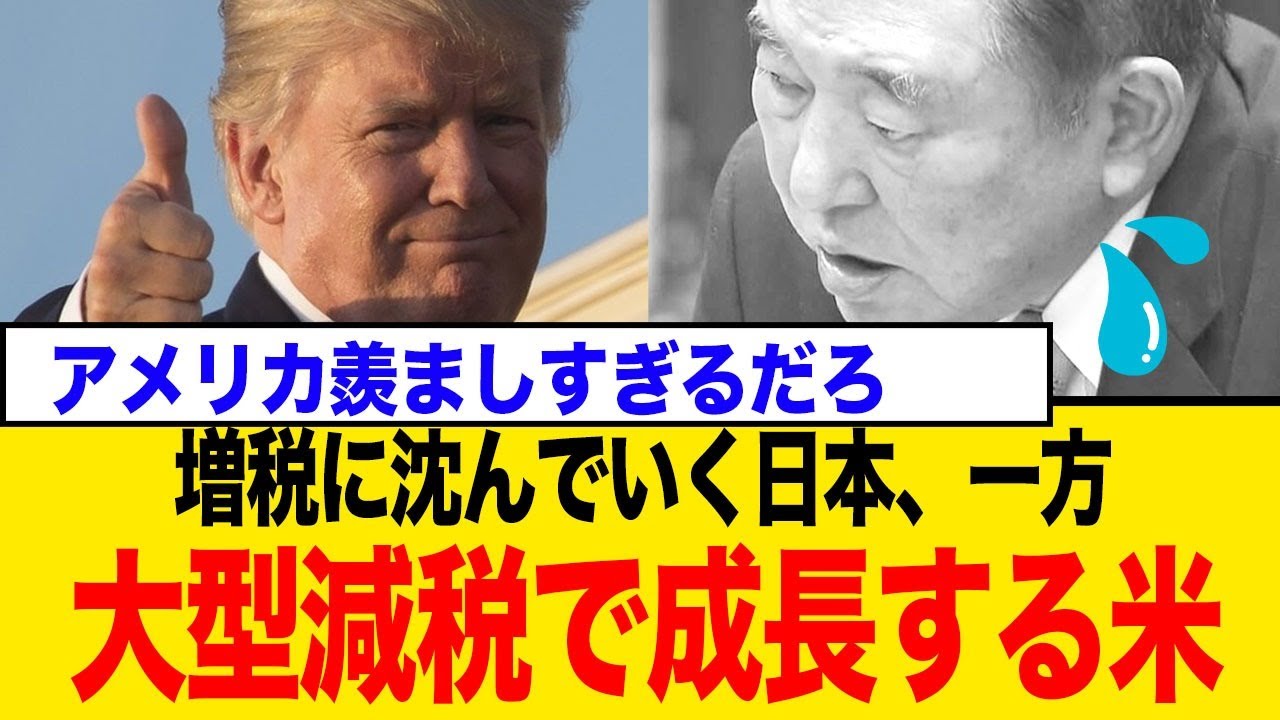
- Significant differences between Japanese and American leaders
- Lack of leadership qualities in Japanese leaders compared to American counterparts
- Criticism of the performance and decision-making of Japanese leaders
- Comparison of leadership styles and effectiveness between the two countries
- Concerns about the state of leadership in Japan and the need for improvement

See Video for details.
The Contrast Between Japanese and American Leaders
Shinzo Abe’s Transformative Tenure
Shinzo Abe, the former Prime Minister of Japan, is widely recognized for his ambitious economic policies and efforts to strengthen Japan’s global influence. During his tenure, he implemented a series of reforms, known as “Abenomics,” aimed at reviving the country’s stagnant economy. Abe’s leadership also focused on enhancing Japan’s security posture and expanding its diplomatic ties, particularly with the United States.
Donald Trump’s Unconventional Approach
In contrast, Donald Trump, the former President of the United States, adopted a more unorthodox and confrontational leadership style. Trump’s “America First” policy led to a shift in U.S. foreign policy, with a greater emphasis on bilateral trade negotiations and a more assertive stance on issues such as immigration and international alliances.
Differing Approaches to Domestic and Foreign Policy
Abe’s Emphasis on Economic Revitalization
Shinzo Abe’s domestic agenda was primarily focused on reviving Japan’s economy through a combination of monetary easing, fiscal stimulus, and structural reforms. He sought to address the country’s long-standing economic challenges, such as deflation and sluggish growth, in an effort to improve the standard of living for Japanese citizens.
Trump’s Nationalist Rhetoric and Policies
Donald Trump, on the other hand, often employed nationalist rhetoric and pursued policies that prioritized American interests over international cooperation. His administration’s approach to domestic issues, such as immigration and trade, was characterized by a more protectionist and isolationist stance.
Global Influence and Diplomatic Relationships
Abe’s Efforts to Strengthen Japan’s Global Role
Shinzo Abe worked to enhance Japan’s global influence and diplomatic relationships, particularly with the United States. He sought to deepen the alliance between the two countries and to position Japan as a more active player in regional and global affairs, including through initiatives such as the Trans-Pacific Partnership (TPP) and the Quadrilateral Security Dialogue (Quad).
Trump’s Disruption of Established Alliances
In contrast, Donald Trump’s approach to foreign policy often involved disrupting established alliances and international agreements. His administration’s decisions, such as withdrawing from the Paris Climate Agreement and the Iran nuclear deal, as well as his criticism of NATO and other multilateral organizations, contributed to a shift in the global geopolitical landscape.
Implications for the Future
The contrasting leadership styles and policy priorities of Shinzo Abe and Donald Trump have had significant implications for their respective countries and the broader international community. As the world continues to navigate complex global challenges, the lessons learned from these two leaders’ tenures may inform future policymaking and diplomatic efforts.
Q&A: The Stark Contrast Between Japanese and American Leaders
What are the differences between Japanese and American leaders?
The text does not provide enough information to determine the specific differences between Japanese and American leaders. The title suggests there may be significant differences, but more context would be needed to address this question.
How does the text describe the differences as “too extreme”?
The text does not actually describe the differences as “too extreme”. The title poses a rhetorical question asking if the differences are “too extreme”, but the text itself does not provide any details about the nature or extent of the differences.
What is the main point of the text?
The main point of the text is unclear, as it only provides a brief title without any supporting details or context.
Video: The
Comments