
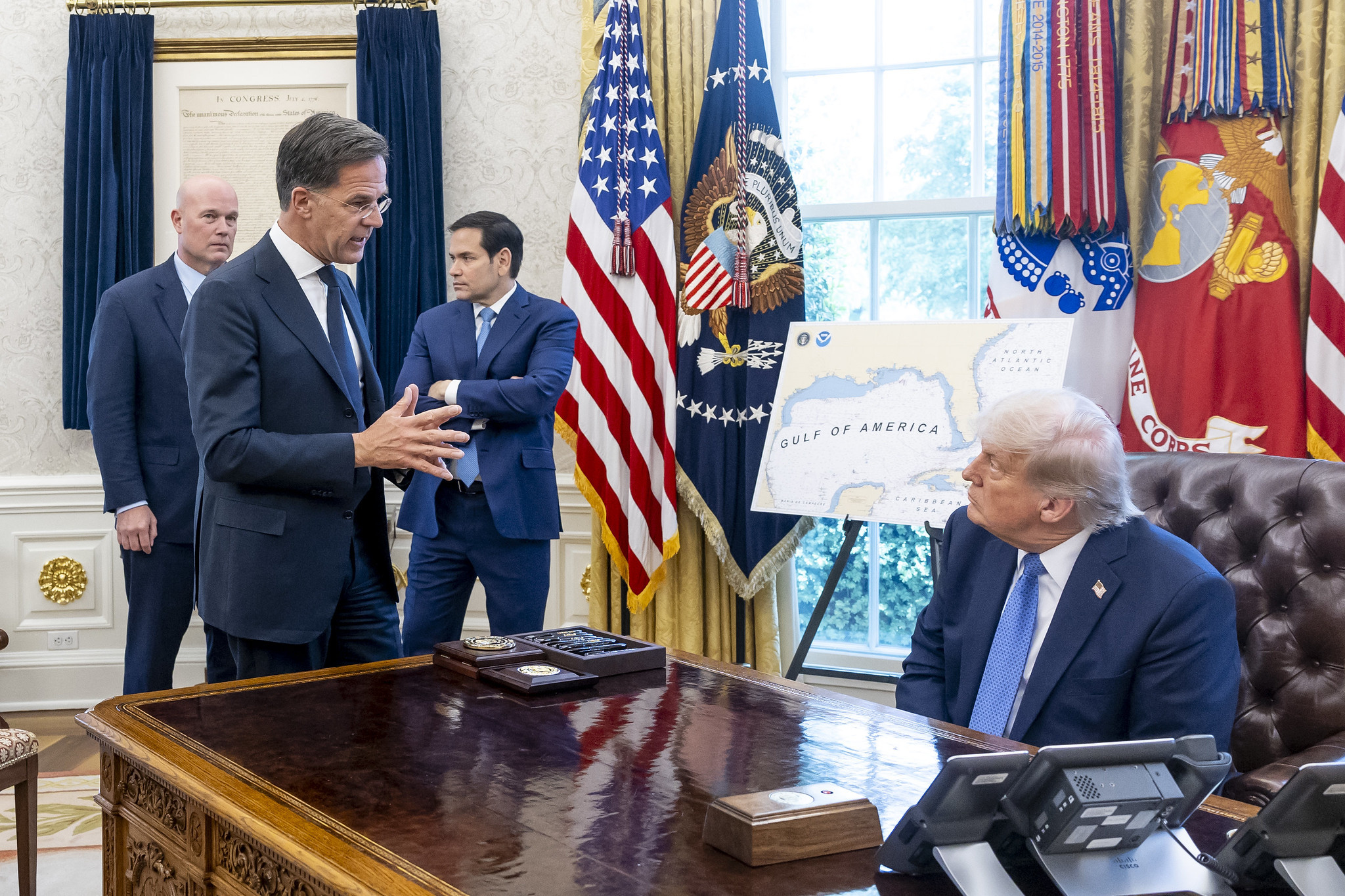
President Trump hosted NATO Secretary General Mark Rutte at the White House for critical talks on Ukraine’s defense against Russia. The discussions centered on NATO allies funding advanced weapons systems, including Patriot missiles, as Ukrainian cities face relentless attacks.
Trump teased a game-changing announcement on Russia policy, signaling potential escalations in sanctions and military aid. The meeting comes amid growing U.S. pressure for European nations to shoulder more financial responsibility for Ukraine’s defense needs.
With Trump demanding NATO members “pay 100%” for weapons transfers, the summit could redefine alliance dynamics while determining Ukraine’s capacity to withstand Russian aggression.
- NATO Secretary General Mark Rutte meets with President Trump to discuss NATO allies funding advanced weapons for Ukraine, including Patriot missile systems.
- Trump demands NATO members cover 100% of military aid costs to Ukraine, warning, “We’re not going to be involved if you’re not going to pay.”
- Trump teases a “major statement” on Russia, potentially involving new sanctions on energy exports or expanded military aid as the war reaches a critical phase.
Mark Rutte and Trump Discuss NATO Funding for Ukraine Weapons: Next Steps on Russia Sanctions and Military Aid
The Significance of the Trump-Rutte Meeting for NATO’s Ukraine Strategy
The Washington meeting between President Donald Trump and NATO Secretary General Mark Rutte marks a pivotal moment in transatlantic security cooperation. As Russian aggression continues unabated in Ukraine, the discussion focused on ensuring NATO allies collectively shoulder financial responsibility for arming Kyiv. The timing couldn’t be more critical, with Ukraine desperately needing advanced weapons systems like Patriot missiles to defend its cities from relentless Russian attacks.
Historically, NATO members have struggled to meet defense spending commitments. While the number of countries achieving the 2% GDP target has increased since Trump first took office, questions remain about their willingness to directly fund Ukraine’s military needs. The Dutch leader’s pragmatism and experience in coalition-building make Rutte uniquely positioned to bridge differences between European capitals and Washington.


Decoding Trump’s “Major Statement” on Russia Policy
The White House has teased significant announcements regarding U.S. strategy toward Russia, potentially including:
- Expanded sanctions targeting critical sectors of Russian economy
- Enhanced military aid packages for Ukrainian forces
- New diplomatic initiatives aimed at isolating Moscow internationally
Potential Impacts on Global Energy Markets
Previous rounds of sanctions against Russian energy exports caused temporary disruptions in global markets. However, recent diplomatic efforts with Middle Eastern allies have created alternative supply chains that might cushion the blow this time.
The Critical Role of Patriot Missiles in Ukraine’s Defense
The commitment to deliver additional Patriot air defense systems addresses Ukraine’s most pressing need – protection against Russian missile attacks targeting civilian infrastructure. These advanced systems boast impressive interception rates:
| Threat Type | Success Rate |
|---|---|
| Ballistic missiles | Over 90% |
| Cruise missiles | 80% |
| Aircraft | 70% |
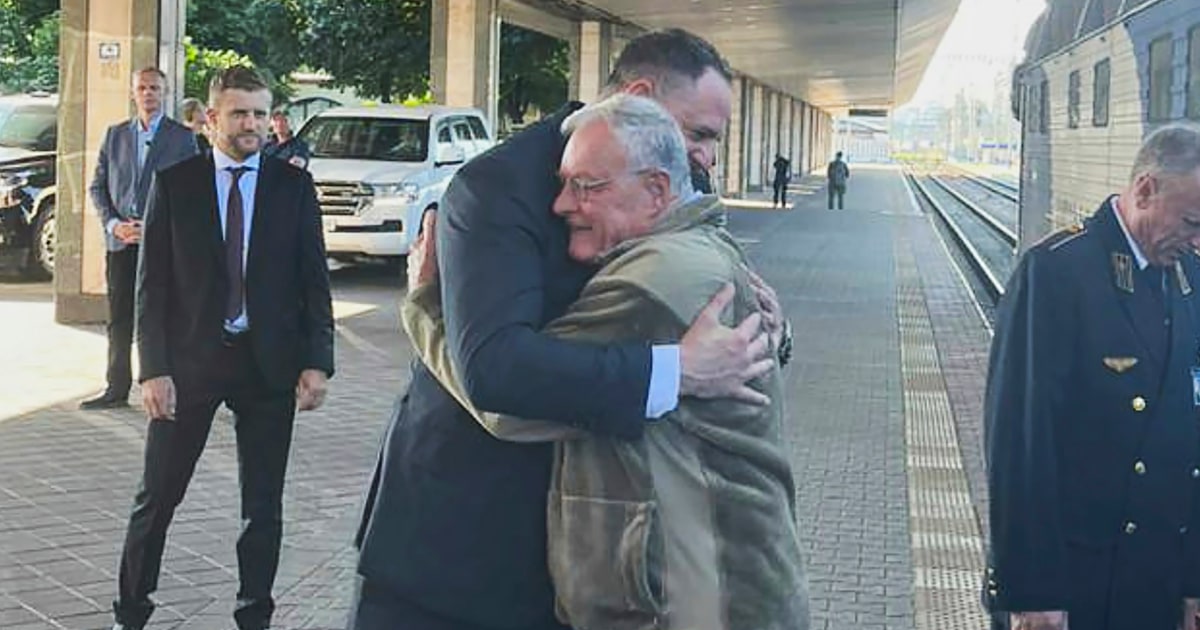
The systems’ complexity requires extensive training for Ukrainian operators, creating logistical challenges alongside their undeniable strategic value.
Europe’s Dilemma: Responding to Trump’s NATO Ultimatums
European capitals face difficult choices in responding to American demands for greater defense spending:
- Accept U.S. terms to preserve alliance cohesion
- Accelerate plans for European strategic autonomy
- Seek compromise solutions that satisfy both sides
The German Question
As Europe’s largest economy, Germany’s position remains particularly crucial. Recent political instability in Berlin has complicated efforts to formulate a coherent response to American demands.
What Comes Next: Potential Scenarios for Ukraine Support
Several developments could emerge from these discussions:
- Accelerated weapons deliveries as financial mechanisms are established
- New training programs for Ukrainian forces on advanced systems
- Expanded intelligence sharing between NATO and Ukraine
Conclusion: A Defining Moment for NATO
The Trump-Rutte meeting occurs at a crossroads for transatlantic security. How NATO responds to Russian aggression in Ukraine while managing internal disagreements about burden-sharing could determine the alliance’s future effectiveness and cohesion.
Comments