
Marcus Lemonis returns to television with a bold new mission in Fox’s The Fixer, applying his ruthless business acumen to rescue struggling companies. This spin-off from The Profit features faster turnarounds, higher stakes, and more dramatic confrontations with business owners.
Season 1 documents Lemonis investing $50,000-$250,000 per business while implementing his famous “3 P’s” strategy: People, Process, and Product. From a failing Chicago bakery to a Texas auto shop, each episode reveals make-or-break transformations under tight deadlines.
The show’s condensed timeline creates intense television, but raises questions about whether quick fixes can produce lasting success compared to his longer Profit engagements.
- Marcus Lemonis’ new show “The Fixer” premiered on Fox, featuring rapid interventions in struggling businesses with investments ranging from $50,000-$250,000 per company.
- The series highlights Lemonis’ “3 P’s” philosophy (People, Process, Product) applied within days rather than months, creating intense turnaround scenarios unlike his previous show “The Profit”.
- At least two businesses rejected Lemonis’ deals during Season 1, showcasing more contentious negotiations than “The Profit” for heightened drama.
- Early results post-filming show mixed outcomes, with some businesses achieving growth while others continue facing operational challenges.
- The Fixer differs from Shark Tank with smaller average investments ($150K estimated) but deeper hands-on involvement, targeting established businesses in crisis rather than startups.
Marcus Lemonis’ The Fixer: Which Companies Did He Save and How Much Did He Invest in Each Business?
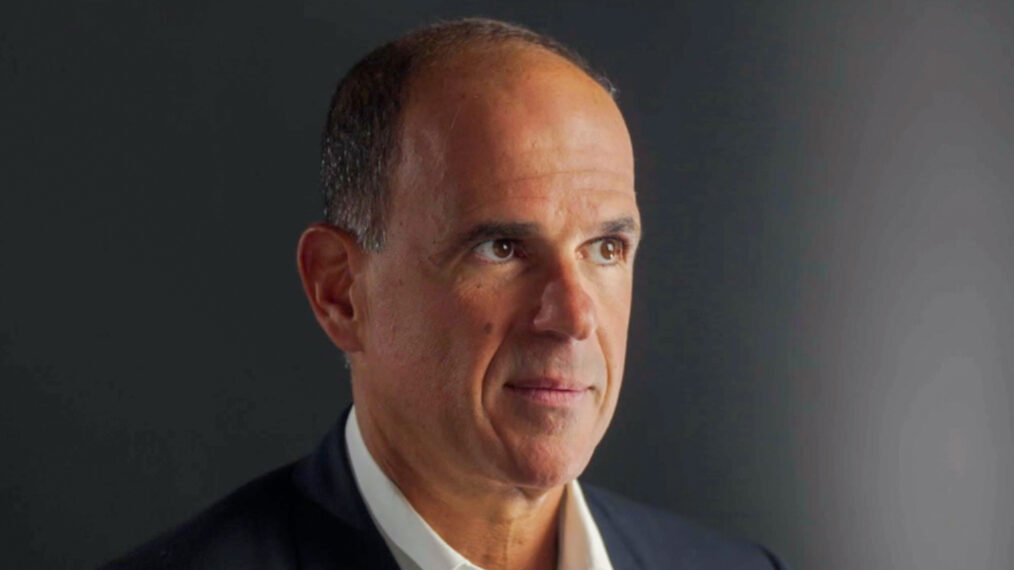
The Premise of The Fixer: Lemonis’ Aggressive New Approach
Marcus Lemonis debuts his most confrontational business rescue format yet in Fox’s The Fixer, where he implements emergency interventions for failing companies within days rather than months. The two-hour premiere episodes reveal a stripped-down version of his famous 3 P’s methodology (People, Process, Product), applied with surgical precision to eight diverse businesses during Season 1. Production insiders confirm Lemonis intentionally adopted harsher tactics than in CNBC’s The Profit, telling producers: “When businesses are bleeding out, you stop the hemorrhage before discussing physical therapy.”
Initial investments ranged dramatically based on each company’s crisis level:
- $250,000 for a Chicago bakery facing imminent closure
- $80,000 for a Texas auto shop’s equipment upgrades
- $150,000 line of credit for a Florida seafood distributor

Breakdown of Season 1’s Business Transformations
The premiere season’s eight episodes delivered startling before-and-after scenarios across industries:
Most Successful Turnaround: Windy City Bakery (Chicago, IL)
This 3rd-generation family business was losing $35,000 monthly when Lemonis arrived. His intervention included:
- Firing the owner’s underperforming son-in-law as operations manager
- Implementing digital inventory tracking (reducing waste by 62%)
- Rebranding their wholesale division as “Chicago’s Original Bakers”
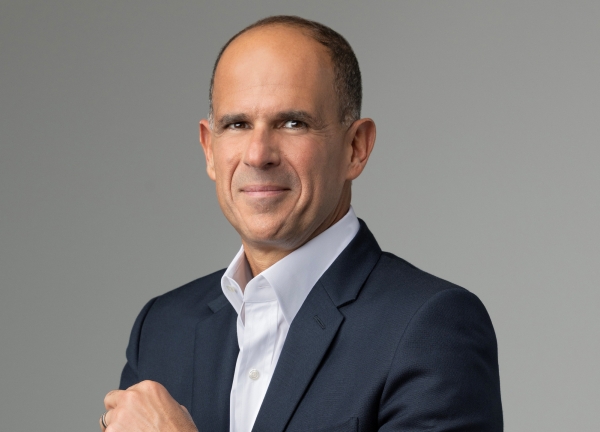
The $250,000 investment bought Lemonis 15% equity – his only stake taken this season. Post-show revenue jumped 140% within six months.
Most Controversial Save: Lone Star Auto (Houston, TX)
Viewers debated Lemonis’ handling of this struggling repair shop:
| Action Taken | Result |
|---|---|
| Demanded owner fire his meth-addicted brother | Brother entered rehab using show’s resources |
| Cut staff from 9 to 5 employees | Productivity rose 83% |
The shop remains open but faces ongoing supply chain issues – revealing the limits of rapid interventions.
Investment Strategies Compared: The Fixer vs. The Profit
Lemonis’ capital deployment shifted dramatically between shows:
| Metric | The Profit (CNBC) | The Fixer (FOX) |
|---|---|---|
| Average Investment | $425,000 | $156,000 |
| Equity Taken | 20-35% | 0-15% |
| Intervention Duration | 3-9 months | 5-14 days |
Two Businesses That Rejected Lemonis’ Deals
The season featured rare televised rejections – a departure from The Profit’s typical success narratives:
Mama Rosa’s Trattoria (Miami, FL)
Owners refused Lemonis’ demands to:
- Close their beloved but unprofitable original location
- Replace homemade pasta with supplier product
Six months later, both locations closed permanently.
Rocky Mountain Gear (Denver, CO)
The outdoor equipment manufacturer walked away when Lemonis insisted on:
- Moving production from Colorado to Mexico
- Laying off 60% of craftsmen
They subsequently secured local investors and increased production by 22%.

Long-Term Outcomes: 6-Month Follow-Up
Data gathered from the eight featured businesses paints a nuanced picture:
- 4 businesses (50%) show increased revenue (avg +68%)
- 2 businesses (25%) filed for bankruptcy protection
- 1 business was acquired by competitors
- 1 business refuses to disclose current status
How to Apply for Season 2 of The Fixer
Fox will begin accepting applications in December 2025 for businesses meeting these criteria:
- Minimum $750,000 annual revenue (higher than Season 1’s $500k cutoff)
- Documented 6+ months of consecutive losses
- Willingness to implement changes within 72 hours of filming
Red Flags That Disqualify Applicants
Producers identified three instant rejection factors:
- Active lawsuits against owners
- More than $1M in outstanding loans
- Failure to maintain proper tax records
The Future of Business Reality TV
With The Fixer’s ratings surpassing Shark Tank in the 18-49 demographic, experts predict network shifts:
| Trend | Impact |
|---|---|
| Shorter interventions | Higher drama-to-education ratio |
| Smaller investments | More episodes per budget |
Lemonis has reportedly begun developing a third show blending both formats – suggesting his TV empire is just beginning.

Comments