
The MCU is forever changed as Robert Downey Jr. makes a jaw-dropping return as Doctor Doom in Fantastic Four: First Steps’ post-credits reveal. This bombshell casting sets the stage for Avengers: Doomsday while introducing Latveria’s ruler as the Multiverse Saga’s true architect.
Beyond the shocking RDJ reveal, the film establishes Franklin Richards’ cosmic importance, hinting that the child’s reality-warping powers may hold the key to saving all existence. Marvel blends the Fantastic Four’s origin with multiversal consequences in what critics are calling their most ambitious storyline since Endgame.
- Robert Downey Jr. shocks fans by debuting as Doctor Doom in Fantastic Four: First Steps’ post-credits scene, setting up his villainous role in Avengers: Doomsday.
- The film establishes Franklin Richards as a mutant with reality-warping powers, hinting at his crucial role in stabilizing the collapsing multiverse.
- Doctor Doom’s arrival suggests he has been orchestrating multiversal events since Phase 4, potentially manipulating even Galactus as part of his grand design.
- Early box office projections indicate a strong $125M opening weekend, with critics praising it as Marvel’s “return to form” after recent struggles.
Doctor Doom’s Shocking MCU Debut Confirmed in Fantastic Four: First Steps

The Marvel Cinematic Universe has been forever altered by the post-credits revelation in Fantastic Four: First Steps, which confirms Robert Downey Jr.’s return as Doctor Doom. This game-changing twist ties directly into the upcoming Avengers: Doomsday while establishing the villain’s connection to Franklin Richards’ multiversal powers. The scene reportedly shows Latveria’s dictator observing the Fantastic Four through mystical means, suggesting he’s been manipulating events since Phase 4.
What makes this debut particularly impactful is how it reframes the entire film. While Galactus serves as the primary antagonist, the post-credits sequence implies Doctor Doom was the true architect of the conflict. Leaked details suggest he may have engineered the cosmic ray exposure that gave the Fantastic Four their powers, all to facilitate Franklin Richards’ reality-warping abilities.

Key Details About Doom’s Introduction
- Shadowy figure removes mask to reveal RDJ’s face (potential misdirect)
- References to Stark technology in Doom’s arsenal
- Hints at manipulation of the TVA’s timeline branches
Robert Downey Jr.’s Controversial Casting as Marvel’s Next Major Villain

The decision to cast Robert Downey Jr. as Victor Von Doom has divided fans. While his acting chops are unquestionable, some argue it undermines both Tony Stark’s legacy and the traditional Romani representation of the character. However, insiders confirm RDJ has already recorded voice work, with motion capture sessions planned to begin before Avengers: Doomsday production.
Marvel seems to be banking on meta-narrative parallels – both Stark and Doom are genius inventors with armored suits and god complexes. The film reportedly includes subtle hints that Doom may have studied Stark’s nanotechnology, explaining similarities in their technological aesthetics.
| Pros | Cons |
|---|---|
| Instant audience recognition | Potential confusion with Iron Man |
| Proven ability to play complex characters | Representation concerns |
| Emotional connection to previous MCU arcs | Risk of overexposure |
The Multiversal Importance of Franklin Richards
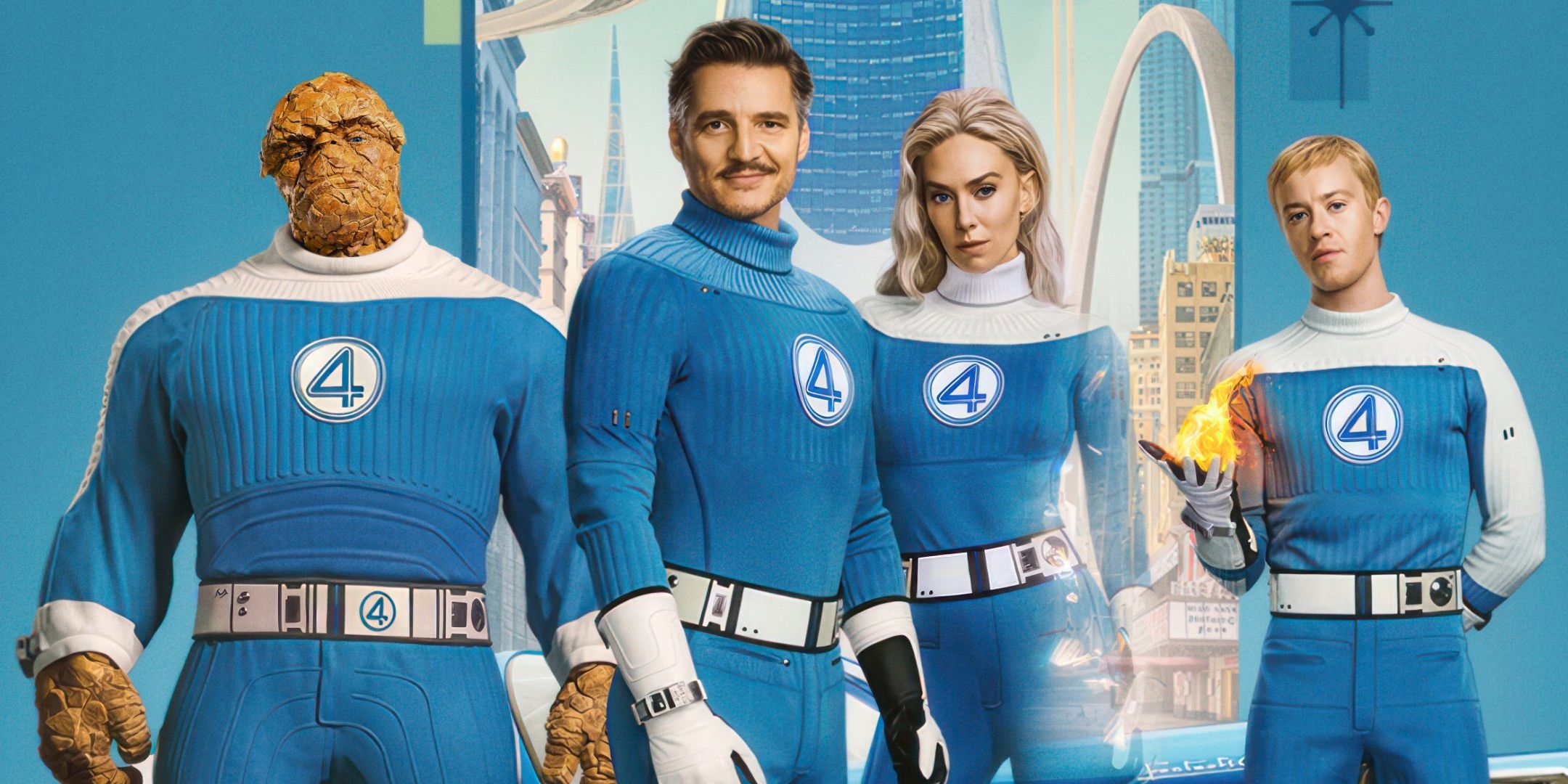
The second post-credits scene establishes Franklin Richards as a mutant with reality-altering powers, setting up his crucial role in future MCU phases. In the comics, Franklin has created entire universes, making him both a target for villains and potentially the key to stabilizing the collapsing multiverse. The scene shows Doctor Doom observing the child through mystical means, heavily implying future confrontations.
This aligns with rumors that Avengers: Doomsday will adapt elements from Jonathan Hickman’s Secret Wars, where Franklin’s powers were essential to Battleworld’s creation. Marvel seems to be positioning him as the Nexus Being of the Multiverse Saga – a living focal point that could explain why the Fantastic Four were introduced at this specific narrative juncture.
Franklin’s Comic Book History in the MCU
- Created the “Heroes Reborn” universe in comics
- Became omnipotent as “Galactus’ herald” in one timeline
- His genetic connection to mutants may introduce the X-Men
Doctor Doom’s Connection to the MCU’s TVA and Multiverse
One of the most intriguing aspects of Doom’s debut is how it recontextualizes earlier Phase 4 and 5 projects. The post-credits scene reportedly includes visual references to the Time Variance Authority’s technology, suggesting Doom may have infiltrated or even usurped the TVA’s operations. This would explain how he’s been able to observe and manipulate events across the multiverse.
Loki’s season 2 finale already established that the TVA now monitors branching timelines rather than pruning them. If Doom has access to this technology, it would give him the perfect tool to implement his plans for Battleworld – selecting which universe fragments to preserve in his patchwork reality.
How Fantastic Four: First Steps Sets Up Avengers: Doomsday

The groundwork laid in First Steps suggests that Avengers: Doomsday will be Marvel’s most ambitious crossover since Endgame. By positioning Doom as the architect behind multiple Phase 4-5 events and establishing Franklin Richards as a cosmic keystone, Marvel has created narrative pathways for:
- The return of variant characters (possibly including RDJ as Iron Man)
- The formation of Battleworld from destroyed universes
- A moral dilemma about whether Doom’s authoritarian rule is preferable to multiversal annihilation
Early box office projections of $125M suggest audiences are responding positively to this setup, though critics remain divided on whether Marvel can satisfyingly pay off these enormous narrative stakes.
Comments